- (207)310-4163
- office@octagonconstructionandenergy.com
- 12 Roosevelt Trail Unit 4, Windham, Maine 04062

Structural Reconstruction in Maine & New Hampshire
Structural damage often becomes visible after mitigation — reconstruction helps rebuild affected areas to support safety, stability, and usability.
Licensed & Insured | Leadership Team with Over 20 Years of Industry Experience | 1-Year Workmanship Warranty | Structural Reconstruction Specialists in Maine & New Hampshire
Talk to a Reconstruction Specialist: (207) 310-4163
Quick Answer
Structural reconstruction may be required when damage affects load-bearing systems or critical structural components. Proper reconstruction helps return affected areas to a safer, functional, and usable condition.
Reconstruction Starts After Damage Assessment
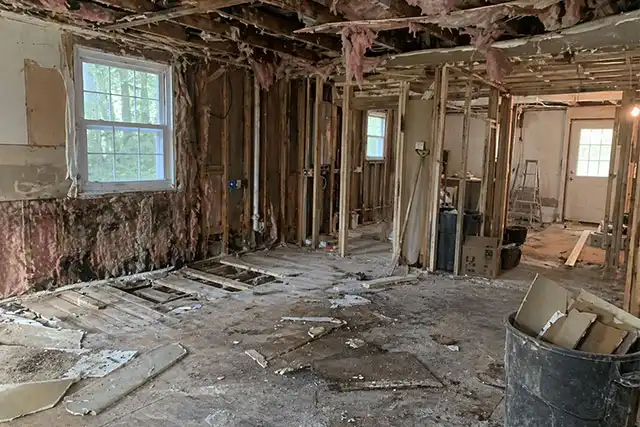
Structural reconstruction begins after damage has been identified and the property is ready for rebuild.
At this stage:
- Load-bearing systems have been evaluated
- Structural components may be exposed
- The property is no longer fully stable
Reconstruction rebuilds affected structural areas and supports safe load distribution.
When Structural Damage Requires Reconstruction
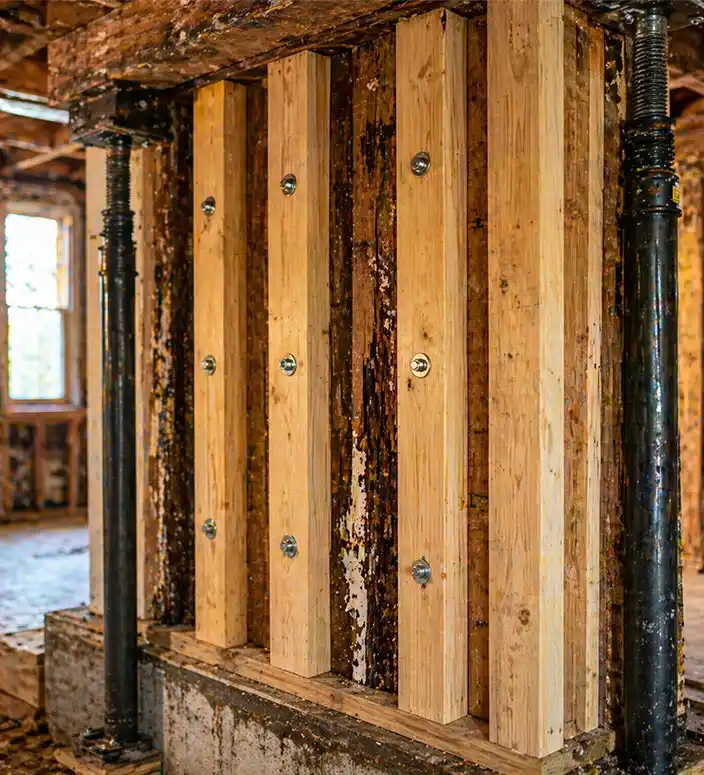
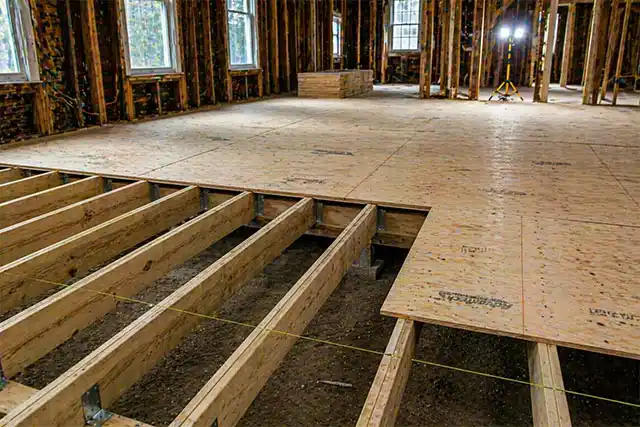
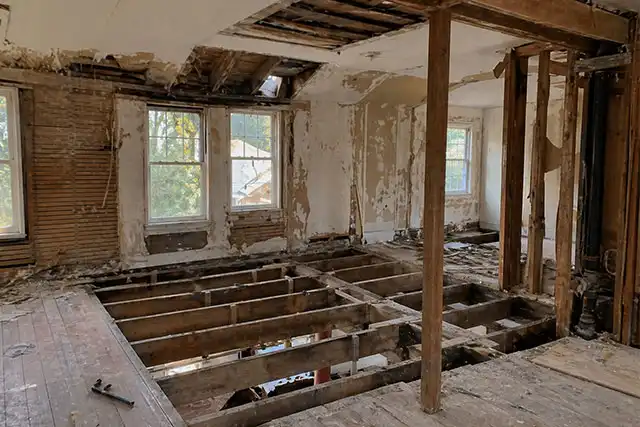
- Compromised framing or subfloor systems
- Damaged load-bearing walls or roof structures
- Flooring or finishes affected by structural compromise
- Areas included in an approved reconstruction scope that require rebuilding
At this stage, the property may require reconstruction rather than simple repair.
Common Causes of Structural Damage
Structural damage can develop gradually or result from specific events.
Common causes include:
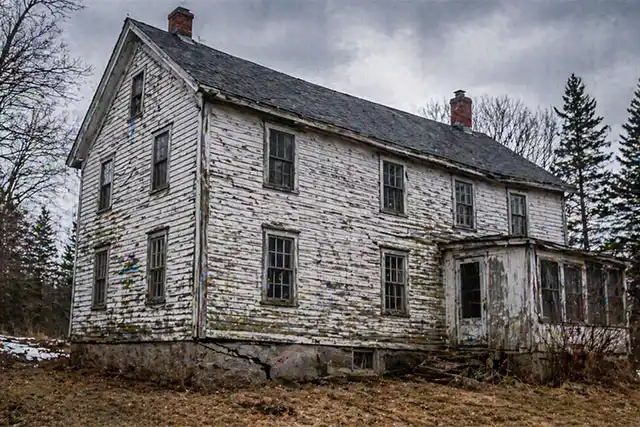
- Water intrusion weakening framing and subfloors
- Fire damage compromising load-bearing systems
- Foundation movement or settlement
- Seasonal expansion and contraction
- Freeze–thaw cycles affecting material performance
These conditions often require full reconstruction of affected structural components.
What Structural Damage Reconstruction Includes
Structural damage reconstruction focuses on rebuilding compromised load-bearing systems.
This may include:
- Rebuilding load-bearing elements
- Subfloor reconstruction
- Framing reconstruction
- Structural reinforcement to meet code requirements
Our Structural Reconstruction Process
We begin after structural damage has been identified and the property is ready for reconstruction.
 Reconstruction Scope ReviewReview the confirmed reconstruction scope and visible areas requiring rebuilding.
- Review of Visible Structural ConditionsDocument visible construction conditions relevant to the reconstruction work.
- Reconstruction PlanningDefine rebuild requirements based on actual structural conditions
- Reconstruction ExecutionRebuild the property based on the approved scope and structural requirements.
When Should Structural Reconstruction Begin?
If your property has already been assessed and damage identified, this is the stage where reconstruction should begin.
Structural Reconstruction in Maine & New Hampshire
Maine and New Hampshire properties can experience structural damage from water intrusion, fire damage, ice dams, freeze-thaw conditions, foundation movement, and storm-related damage. When framing, subfloors, load-bearing walls, or roof structures are affected, reconstruction may be needed to return the property to a safer, usable condition.
Over time, these conditions reduce structural performance and require proper reconstruction.
Built for Structural Reconstruction
- Licensed and insured contractor
- Leadership team with over 20 years of experience
- 1-year workmanship warranty
- Structural reconstruction specialists in Maine & New Hampshire
Structural reconstruction requires coordination between framing, load-bearing systems, and long-term durability — not just surface-level repairs.
Our work is focused specifically on rebuilding structural systems for long term stability.
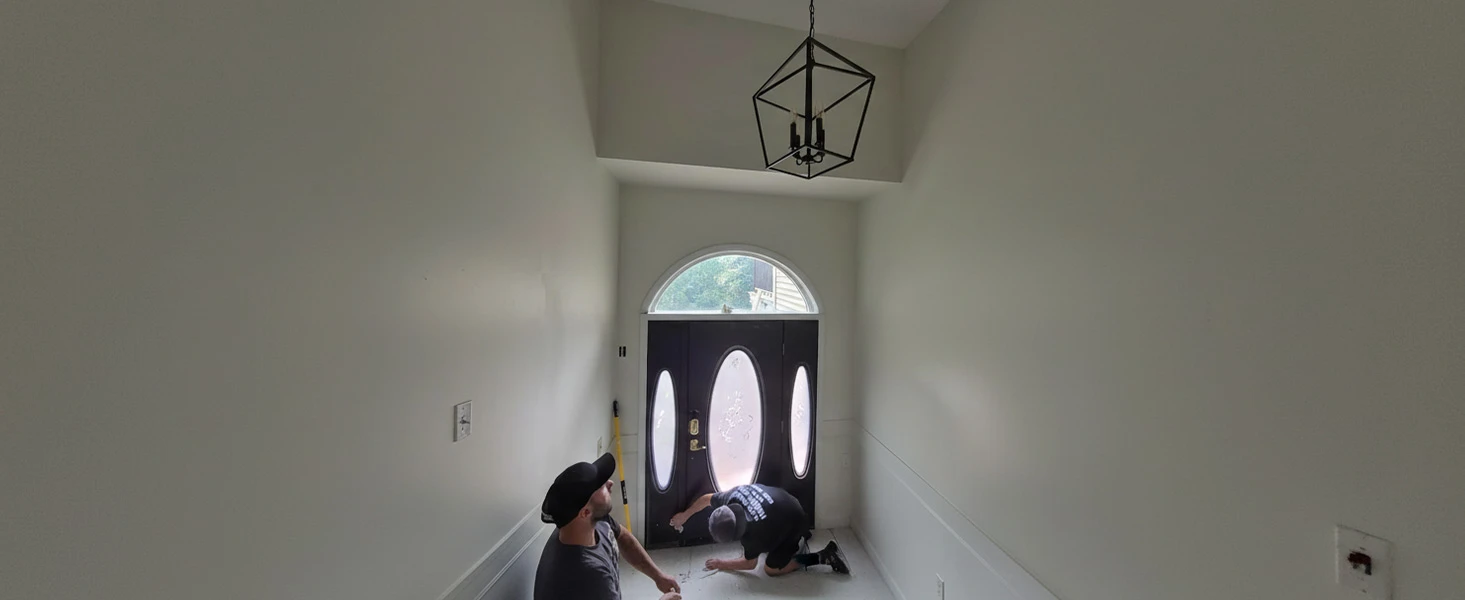
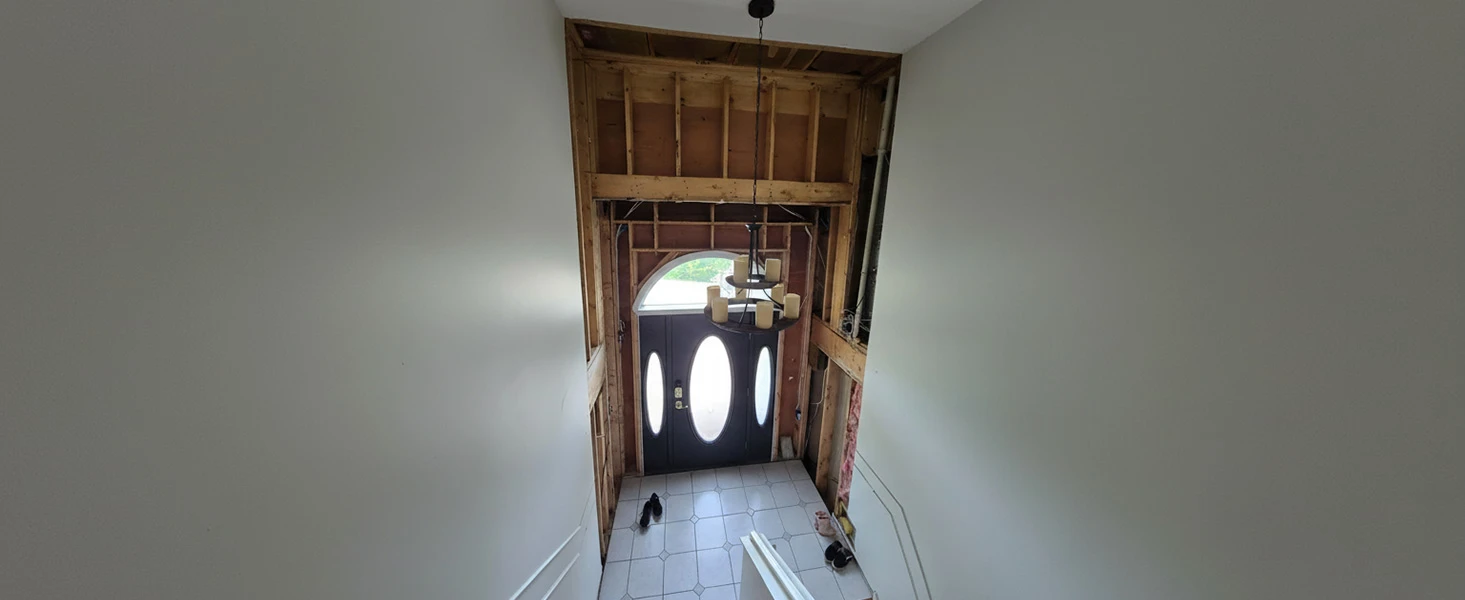
From Structural Damage to Fully Rebuilt
Need Structural Reconstruction After Damage?
If your property has been damaged and you need structural reconstruction work after mitigation, Octagon Construction & Energy can discuss the reconstruction needs and help plan the next phase of work.
Frequently Asked Questions
What is structural reconstruction?
Structural reconstruction is the rebuilding of affected structural components after damage, such as framing, subfloors, load-bearing walls, roof structures, or other building areas that may no longer be stable, complete, or usable.
When does structural damage require reconstruction?
Structural damage may require reconstruction when affected components cannot safely remain in place, when damaged areas must be rebuilt, or when the approved reconstruction scope calls for rebuilding structural or interior areas.
Does OCE provide engineering inspections?
No. Octagon Construction & Energy is the reconstruction contractor, not the structural engineer. When engineering review, code requirements, or specialized evaluation is needed, the reconstruction plan should follow the appropriate professional guidance and approved scope.
Can structural reconstruction involve insurance?
Yes. Structural reconstruction may involve insurance when the rebuild is included in an approved scope of work. Coverage depends on the policy, claim details, and carrier review.
What areas usually require structural reconstruction?
Common areas may include load-bearing walls, subfloor systems, framing, roof structures, interior walls, ceilings, flooring, trim, and other affected areas included in the reconstruction scope.
How long does structural reconstruction take?
Most structural reconstruction projects take several weeks depending on the scope of work, permits, material availability, engineering requirements when applicable, and the complexity of the damage.