- (207) 310-4163
- office@octagonconstructionandenergy.com
- 12 Roosevelt Trail Unit 4, Windham, Maine 04062

Rebuilding Under an Approved Insurance Scope
After your insurance claim is approved, reconstruction ensures your property is rebuilt correctly based on the approved scope of work.
Over 20 Years of Combined Leadership Experience • 1-Year Workmanship Warranty
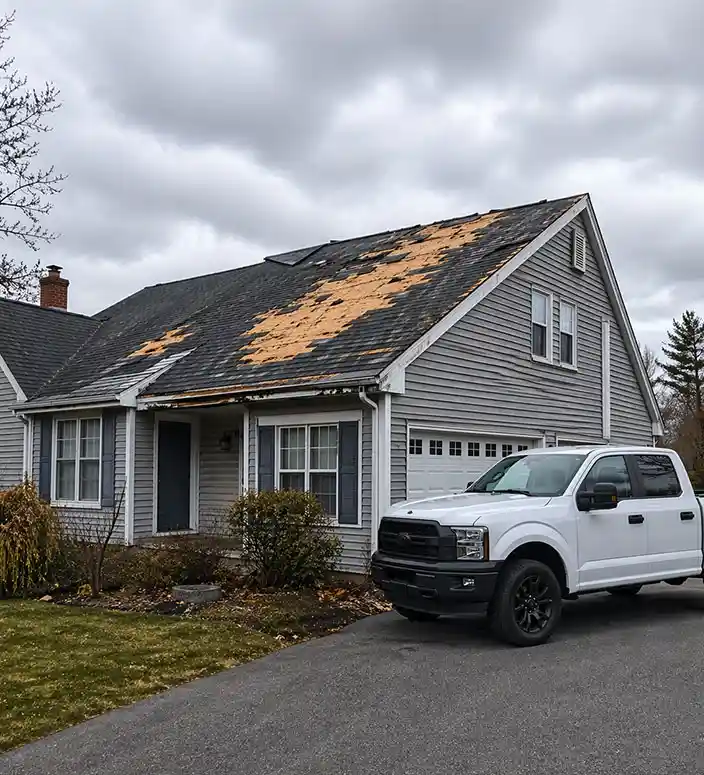
Your claim is approved, but the property is still incomplete — reconstruction is the next step.
At Octagon Construction & Energy, we specialize in insurance reconstruction in Maine and New Hampshire, rebuilding properties after damage in full alignment with the approved repair scope and structural requirements. Reconstruction at this stage requires precision, as rebuilding must align with both structural conditions and the documented scope.
When a home is left incomplete after claim approval, delays can lead to additional damage, extended timelines, and increased costs. Misalignment at this stage can result in rework, scope gaps, and incomplete reconstruction.
Talk to a Reconstruction Specialist: (207) 310-4163
Reconstruction Starts After Claim Approval
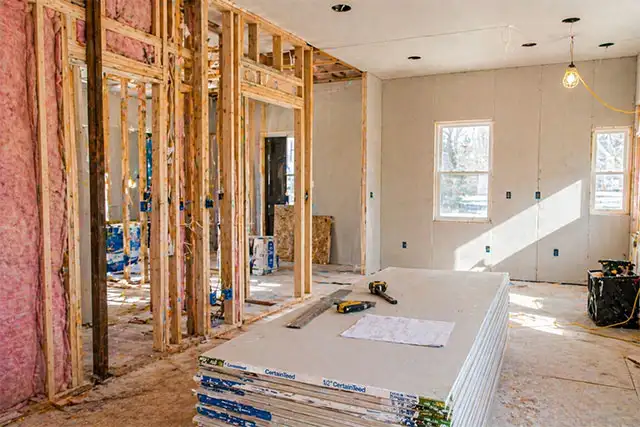
- Structural components may be exposed
- Interior areas may be incomplete
- The property is not fully rebuilt or usable
Reconstruction begins here and must follow the approved scope and structural requirements. Homeowners may contact Octagon Construction & Energy before final approval if they need a reconstruction estimate, project review, or construction-related documentation for carrier review, but the rebuild itself should follow the approved scope.
Need a Reconstruction Estimate for Insurance Review?
Octagon Construction & Energy can review the visible rebuild needs, document construction-related conditions, and prepare reconstruction scope information for carrier review.
If someone has told you to find an “insurance-approved contractor”, read what that phrase actually means before you hire.
Insurance reconstruction is part of the broader reconstruction services process offered by Octagon Construction & Energy after mitigation and damage-related preparation are complete.
When Reconstruction Begins After an Insurance Claim
After property damage, the process typically includes:
The full sequence is explained in what happens after claim approval.
At this stage:
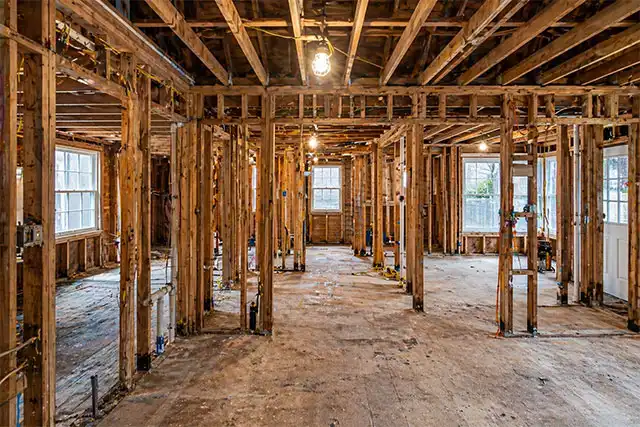
- The property is often left incomplete
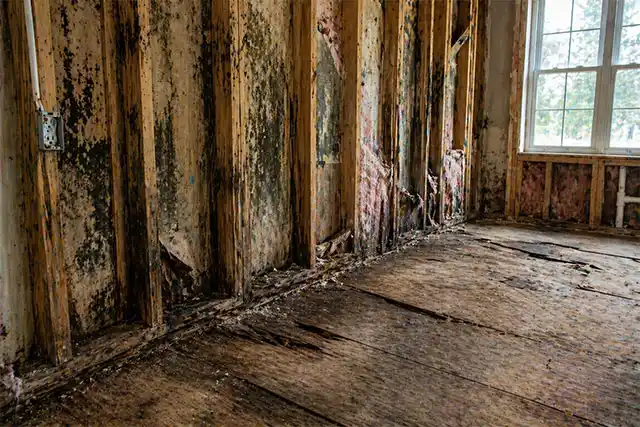
- Structural components may be exposed
- Interior areas may not be usable
Reconstruction begins after claim approval and must align with both the approved scope and actual structural conditions.
Why Scope Alignment Matters in Reconstruction
Reconstruction must follow the approved insurance scope.
When work is not aligned:
- Delays occur due to scope mismatches
- Rework may be required
- Additional costs can arise
- Parts of the property may remain incomplete
Proper alignment ensures the property is rebuilt correctly and avoids unnecessary complications.
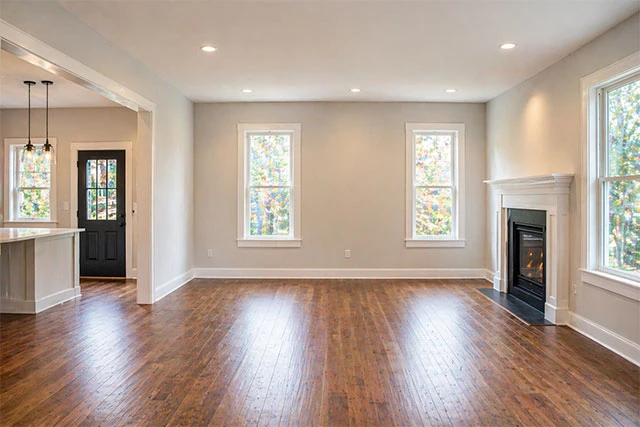
Insurance-Based Reconstruction Services
Reconstruction after an insurance claim focuses on rebuilding what was damaged or removed. Depending on the cause of damage, this may involve water damage reconstruction, fire damage reconstruction, or structural reconstruction after mitigation and demolition are complete.
- Structural rebuilding of affected components
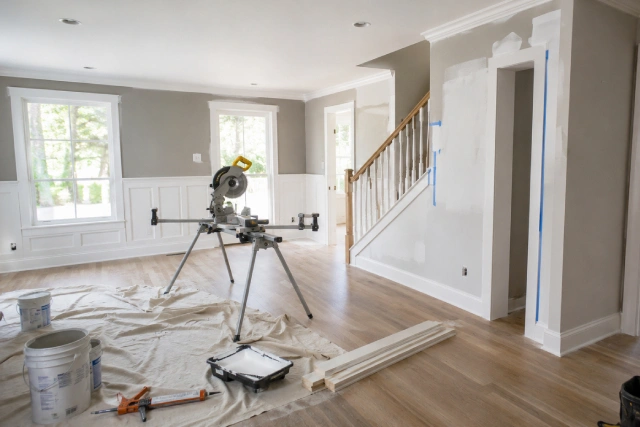
- Interior reconstruction, including walls, ceilings, flooring, insulation, and trim
Our Insurance Reconstruction Process
We begin after mitigation is complete and the insurance scope has been approved.
 Review Approved ScopeUnderstand all documented repair requirements
- Visible Condition ReviewReview construction-related conditions after mitigation
- Reconstruction PlanningAlign rebuild with both scope and structural conditions
- Reconstruction ExecutionRebuild the property based on the approved scope and structural requirements.
This ensures reconstruction is completed correctly and aligned from the start.
Insurance Reconstruction in Maine & New Hampshire
Insurance reconstruction in Maine and New Hampshire may involve water damage, fire damage, storm damage, structural damage, or other covered property damage. When materials are removed, exposed, or left incomplete after mitigation, reconstruction may be needed to return the property to a safe, usable condition.
Octagon Construction & Energy handles insurance reconstruction across Maine and New Hampshire.
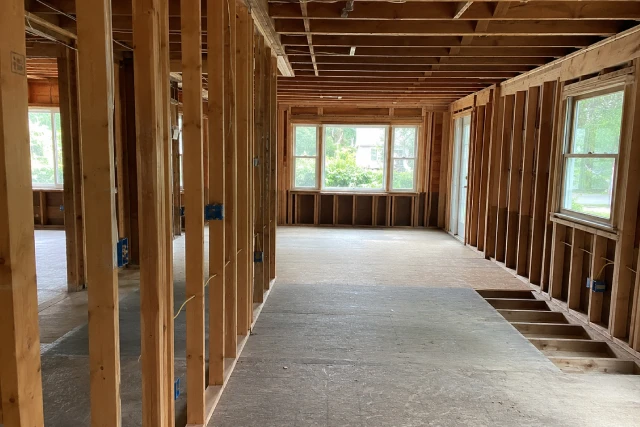
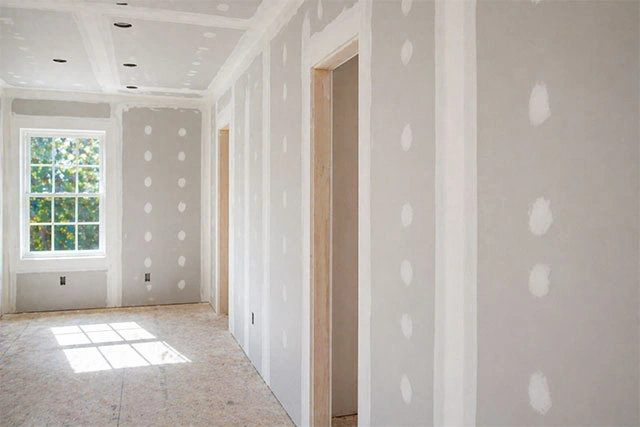
Built for Insurance Reconstruction
- Over 20 Years of Combined Leadership Experience
- 1-year workmanship warranty
Our work focuses specifically on rebuilding properties based on documented scope and structural requirements.
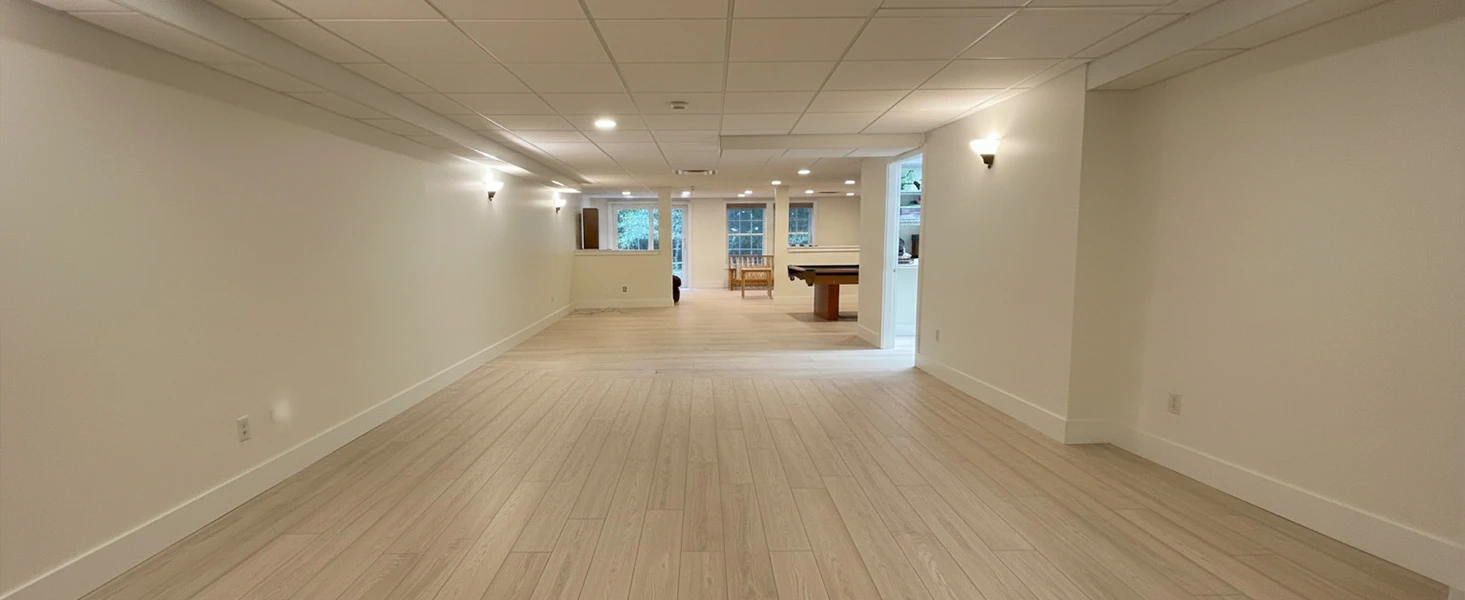
From Insurance Claim to Fully Rebuilt
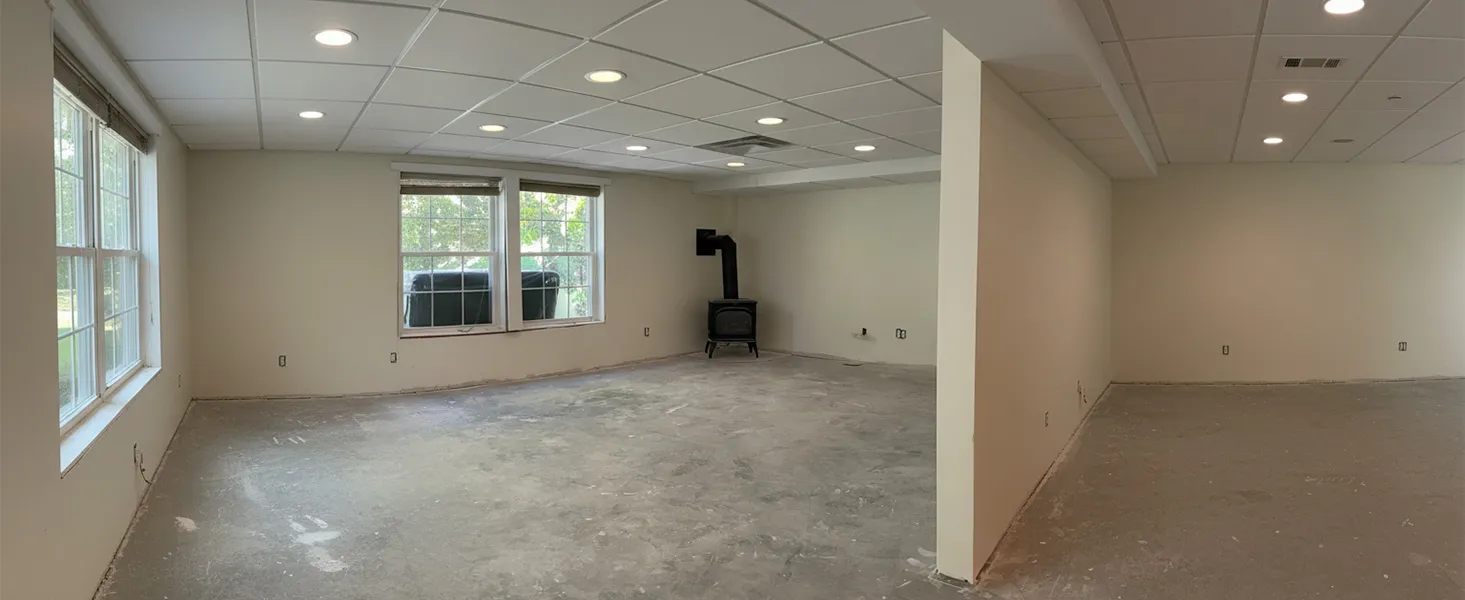
Need Help With an Insurance Reconstruction Project?
Tell us what happened
Send us a few details and we will call you back to talk through the rebuild.
Prefer to talk now? Call (207) 310-4163
Frequently Asked Questions
Can reconstruction begin before the insurance scope is approved?
Does Octagon Construction & Energy negotiate insurance claims?
Octagon Construction & Energy rebuilds your property to the scope your insurance carrier has approved, and can prepare reconstruction estimates when appropriate. Your adjuster sets the scope and negotiates the claim; Octagon Construction & Energy carries out the construction work within it. Coverage decisions rest with your carrier.
Can Octagon Construction & Energy provide a reconstruction estimate for carrier review?
When appropriate, Octagon Construction & Energy can review visible rebuild needs and prepare construction-related estimate information for carrier review.