- (207) 310-4163
- office@octagonconstructionandenergy.com
- 12 Roosevelt Trail Unit 4, Windham, Maine 04062

Water Damage Repair and Rebuilding in Maine & New Hampshire
After cleanup and drying are complete, Octagon rebuilds the damaged areas so your home can become functional and livable again.
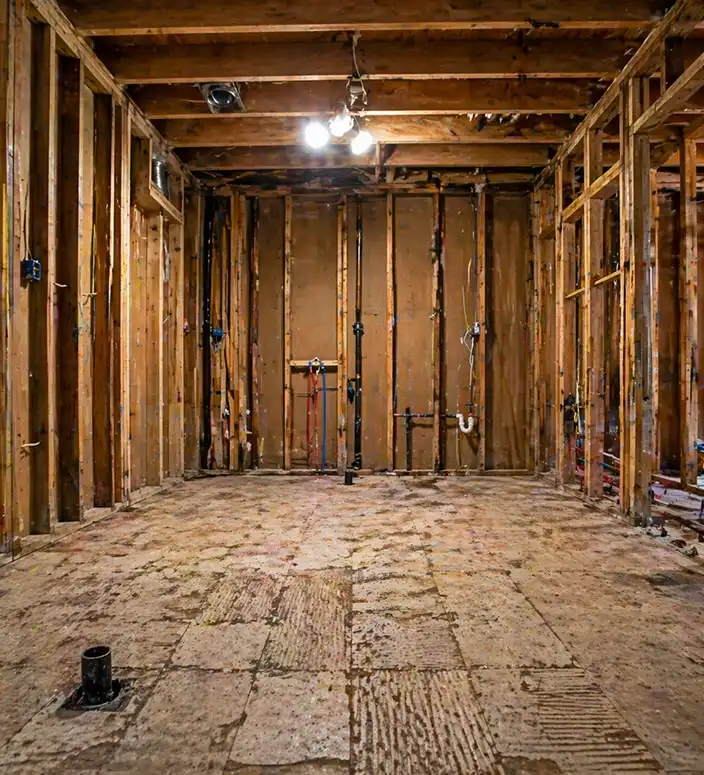
Even when emergency cleanup, drying, or mitigation is complete, important building components such as drywall, framing, insulation, flooring, trim, and interior finishes may still need to be rebuilt. Octagon Construction & Energy begins once the property is ready for reconstruction, with a focus on visible rebuild needs, construction scope, and interior or structural reconstruction after water damage.
Local reconstruction specialists.
Talk to a Reconstruction Specialist: (207) 310-4163
What Usually Happens After Initial Mitigation
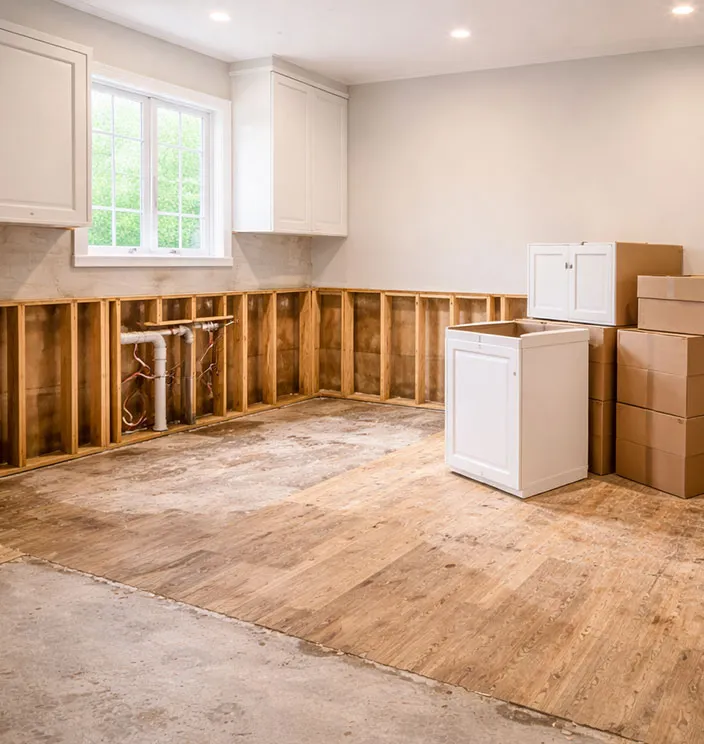
In some projects, mitigation or demolition may leave walls, ceilings, flooring, or framing exposed before reconstruction begins. The rebuild begins after the cleanup and drying phase is complete. By this stage, the property may already be dried, opened up, gutted, or prepared for rebuilding.
- Emergency response and mitigation completed by others
- Review of remaining damaged materials that affect the reconstruction scope
- Review of visible water-affected building components
- Review of exposed framing, flooring, ceilings, insulation, and wall systems
- Confirmation that the property is ready to move from cleanup into rebuild
- Reconstruction planning based on visible site conditions and approved scope when applicable
When Water Damage Becomes a Reconstruction Project
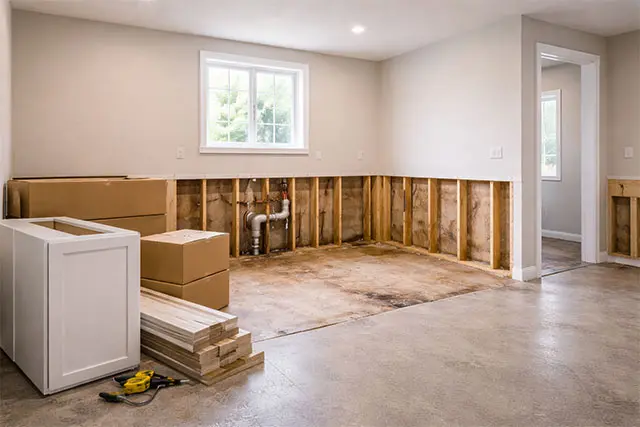
- Drywall has been cut out or removed
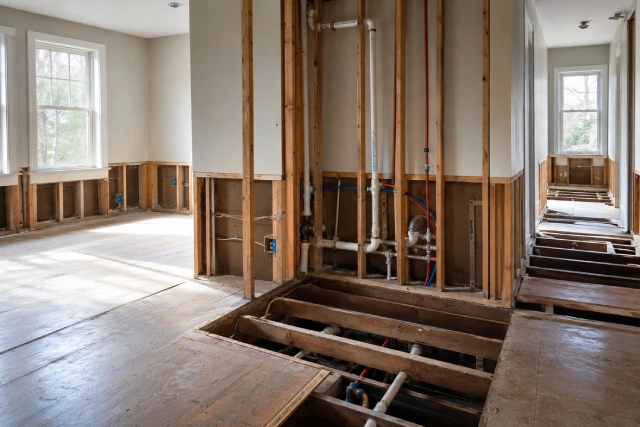
- Flooring or subfloor materials have been damaged
- Ceilings, trim, insulation, or lower wall sections need rebuilding
- Finished basement areas have been opened up after a water loss
- Framing or structural areas are exposed
- Rooms are incomplete after mitigation or demolition
- The property cannot return to normal use without construction work
This is the phase Octagon Construction & Energy handles: the rebuild, after the property is stabilized and ready.
Pipe Burst and Water Loss Reconstruction
Octagon Construction & Energy can review the visible rebuild needs after a pipe burst or water loss and help determine what construction work is needed to rebuild the affected areas. The goal is not emergency drying or water extraction. The goal is reconstruction once the damaged materials have been removed and the property is ready for rebuild.
Common Reconstruction Areas
- Interior walls and ceilings
- Flooring systems and subfloor structures
- Trim and finish carpentry elements
- Insulation and lower wall sections
- Structural framing components when exposed or affected
- Finished basements and living spaces
- Kitchen, bathroom, and utility areas impacted by water loss
Our role is focused on reviewing construction-related rebuild needs, preparing reconstruction estimates when appropriate, and completing the reconstruction work once the property is ready for rebuild.
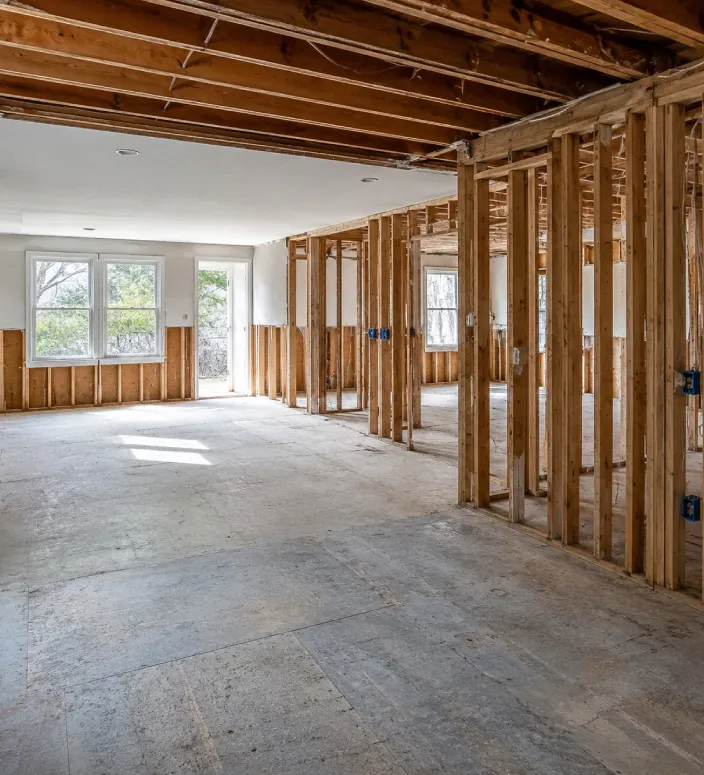
Reconstruction After a Gutted or Opened-Up Home
- Rebuilding opened walls and ceilings
- Replacing damaged flooring and subfloor areas
- Rebuilding or replacing trim, finishes, and interior details
- Rebuilding affected basement or living areas
- Addressing exposed structural or framing components based on visible conditions
- Completing approved construction work so the affected areas can be finished properly
For broader rebuild needs beyond water damage, we also provides structural reconstruction for homes with exposed or damaged building components.
Our Water Damage Reconstruction Process
 Mitigation CompletedWe begin after mitigation is complete and the structure is ready for rebuild.
- Visible Condition ReviewReview visible water-affected building components
- Scope DefinitionDefine the reconstruction work required based on actual conditions
- Insurance CoordinationAlign reconstruction work with the approved scope
- Reconstruction ExecutionRebuild affected areas according to the defined reconstruction scope
This ensures the property is rebuilt correctly and not just repaired.
When to Start Reconstruction After Water Damage
Reconstruction should begin as soon as mitigation is complete.
You should contact a reconstruction contractor when:
- Structural components are exposed
- Walls, flooring, or framing have been removed
- The home is not fully functional
Delaying reconstruction increases the risk of structural deterioration and higher repair costs.
Insurance-Related Water Damage Reconstruction
Some water damage reconstruction projects involve insurance claims. If your property has been opened up, gutted, or prepared after a pipe break or water loss, Octagon Construction & Energy can review the visible rebuild needs and prepare construction-related scope information for carrier review.
Octagon Construction & Energy is not a public adjuster and does not guarantee insurance approval. Actual reconstruction work should follow the approved insurance scope when a claim is involved. For projects involving an approved claim scope, we can also support insurance reconstruction after water damage.
Water Damage in Maine & New Hampshire Homes
These conditions often expand reconstruction scope beyond what is initially visible. Homes in Maine and New Hampshire are particularly vulnerable to water damage due to:
These conditions often cause damage within subfloors, framing, and interior structures that becomes visible after mitigation.
Reconstruction in this region requires experience with seasonal damage patterns unique to Maine and New Hampshire homes.
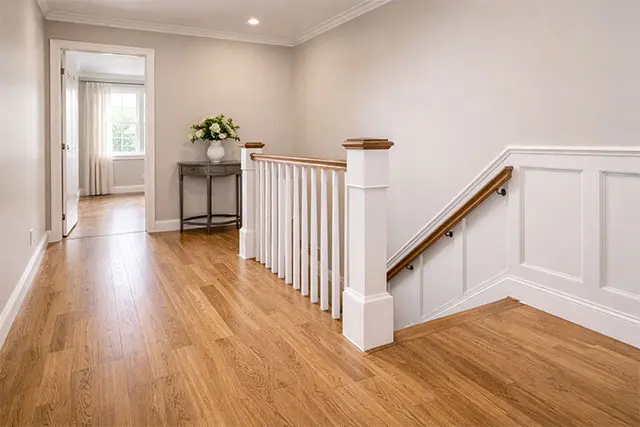
Built for Reconstruction After Water Damage
Reconstruction is not just rebuilding.
- Leadership team with over 20 years of experience
- 1-year workmanship warranty
Our work focuses on rebuilding after water damage with attention to structural accuracy and long-term durability.
Real Water Damage Reconstruction Projects
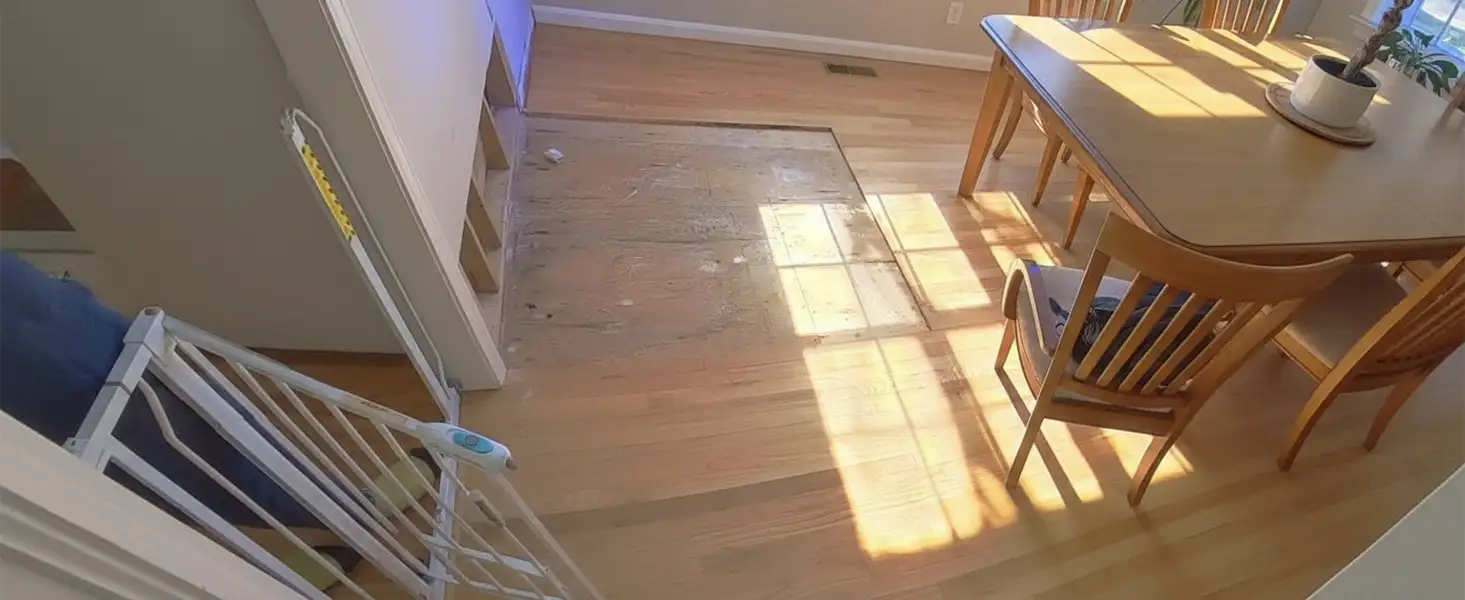
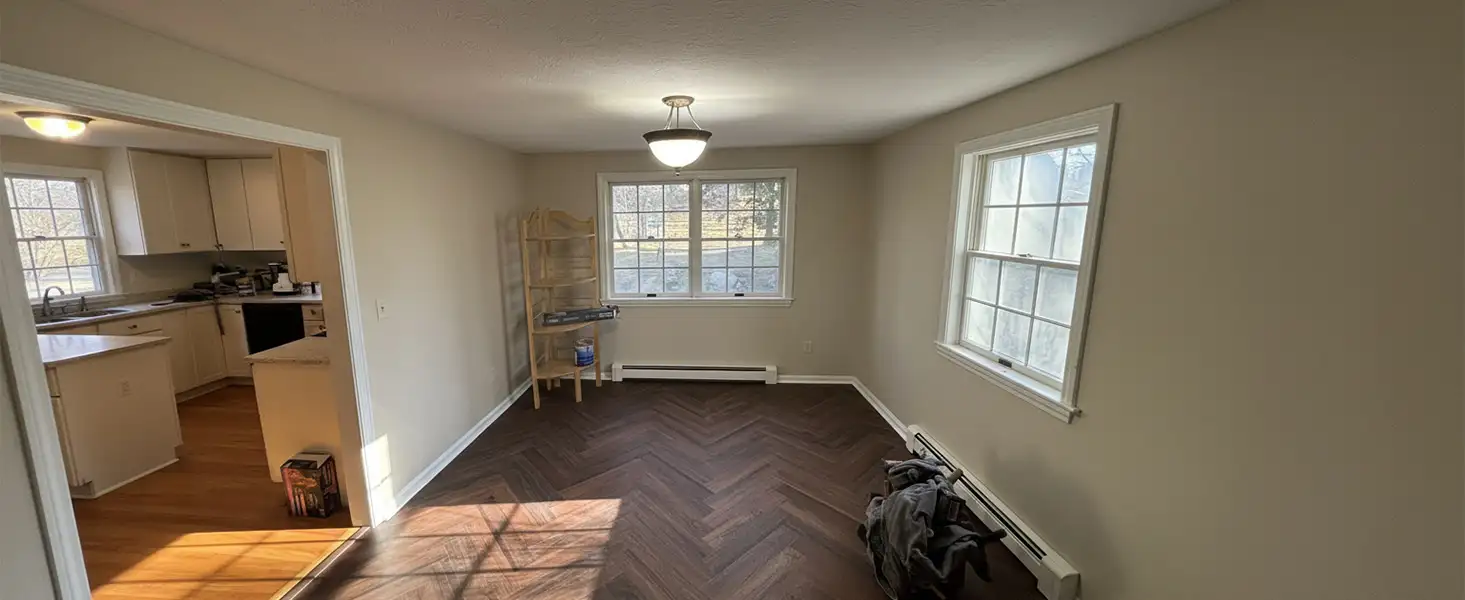
Windham Basement Water Damage Reconstruction
After a water heater leak and mitigation work, we rebuilt the affected basement areas, including drywall, trim, flooring, and finishes.
Need Help With a Water Damage Reconstruction Project?
Reconstruction specialists in Maine & New Hampshire.
Tell us what happened
Send us a few details and we will call you back to talk through the rebuild.
Prefer to talk now? Call (207) 310-4163
Frequently Asked Questions
What is water damage reconstruction?
When does water damage become a reconstruction project?
Do you handle water extraction or drying?
No. We handle the rebuild only. Extraction, drying and cleanup are a separate trade, and we start once that phase is finished and the property is ready for reconstruction.
Can you help after a pipe burst?
Yes. If a pipe burst has damaged rooms, flooring, walls, ceilings, or other building materials, we can review the rebuild needs once the property is stabilized and ready for reconstruction.