

Spring flooding can turn a dry basement into a costly problem in a matter of hours. Snowmelt, heavy rain, and saturated ground can push water against the foundation and into the lower level of a home. Once water gets inside, it can damage drywall, insulation, flooring, framing, and other materials that are harder to replace than many homeowners expect.
This is why flooded basement repair often becomes a rebuilding project, not just a cleanup job.
In Maine and New Hampshire, spring thaw and storm runoff can place additional pressure on basement walls and floors. Homes with older foundations, poor drainage, or recurring moisture issues are especially vulnerable.
The Federal Emergency Management Agency (FEMA) recommends directing water away from the structure as part of reducing basement flood risk.
If spring flooding has damaged your basement in Maine or New Hampshire, call Octagon Construction & Energy at (207) 310-4163 to schedule a repair evaluation.
In This Article
- Why spring flooding causes basement damage
- What flooded basement repair typically includes
- Signs the damage may be deeper than it appears
- Hidden areas that often remain wet
- How reconstruction decisions should be made
- Ways to reduce future flooding risks
- Common questions homeowners ask after basement flooding
Quick Takeaway
- Spring flooding can damage more than finished surfaces
- Wet basement materials often require removal and rebuilding
- Structural inspection is important before reinstalling walls and flooring
What Is Flooded Basement Repair?
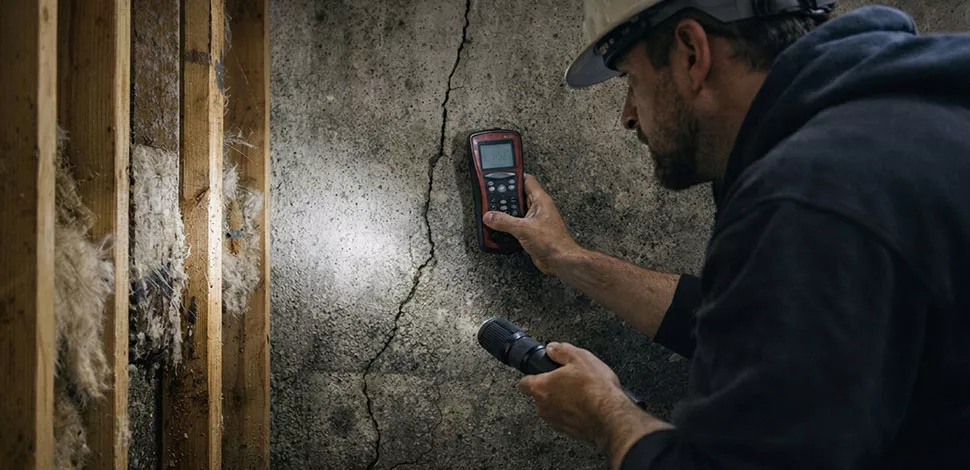
Flooded basement repair is the process of removing water-damaged materials, inspecting structural components, and rebuilding basement walls, insulation, and flooring so the space can be safely used again.
The process often includes:
- Removing damaged drywall and insulation
- Inspecting framing and foundation areas
- Drying structural materials thoroughly
- Rebuilding wall systems and finishes
- Adding moisture-resistant materials where appropriate
In many cases, flooded basement repair becomes a full basement reconstruction project, especially when water has soaked building materials for extended periods.
Why Flooded Basement Repair Often Means Rebuilding
In many homes, flood damage goes beyond surface cleanup. Once materials have absorbed water, the basement often requires a more extensive rebuild to make the space safe, dry, and usable again.
Floodwater rarely stays on the surface.
Common material damage includes:
- Drywall absorbs water quickly
- Insulation trapping moisture and losing effectiveness
- Wood framing swelling or weakening
- Metal fasteners and connectors are beginning to corrode
According to EPA guidance on moisture and mold, damp building materials can cause structural damage and mold growth if not dried or removed promptly.
Many homeowners assume the problem is solved once the standing water is gone. However, the larger concern is often what happened inside the walls, beneath the flooring, and around the framing while the basement was wet.
What Spring Flooding Does to Basement Materials
Water spreads quickly across basement floors and into finished wall systems. Even a few inches of water can reach insulation, trim, and the lower portions of finished walls.
Surface Damage
Some damage is immediately visible:
- Wet drywall
- Stained trim
- Ruined flooring
- Soaked insulation
- Peeling paint
- Musty odor
Hidden Damage
Other damage may remain concealed behind finished surfaces:
- Moisture behind finished walls
- Wet still plates
- Damp framing pockets
- Trapped water beneath the flooring
- Rust around metal fasteners
- Movement near foundation cracks
Hidden moisture is one of the main reasons flooded basement repairs can turn into larger reconstruction projects.
Replacing visible materials too quickly can trap moisture inside the wall assembly and create long-term problems.
Signs the Basement May Need More Than Cosmetic Repair
After floodwater is removed, the basement may still show warning signs that more serious damage has occurred.
Watch for the following:
- New wall cracks
- Cracks that gradually widen
- Uneven or sloping floors
- Walls that appear slightly bowed
- Doors upstairs that begin sticking
- Persistent damp odors
- Stains that reappear after rainfall
These signs do not always indicate structural failure, but they do suggest the basement should be carefully evaluated before rebuilding begins.
In Maine and New Hampshire, freeze-thaw cycles and saturated spring soil can reveal foundation weaknesses after flooding.
How the Rebuild Stage Should Be Handled
Octagon Construction & Energy focuses on reconstruction and rebuilding after damage, while cleanup and mitigation are handled by Octagon Cleaning & Restoration.
This distinction is important because reconstruction begins after the property has been stabilized and dried.
A Practical Rebuild Sequence
A professional repair process typically follows this order:
- Review which areas were affected by flooding
- Identify materials that cannot be saved
- Inspect framing and structural connections
- Remove damaged drywall, insulation, and finishes
- Confirm the basement has dried sufficiently
- Rebuild the space using appropriate materials
Flooded basement repair should be treated as construction work rather than simple surface replacement.
The goal is to restore the following:
- Structural integrity
- Safe living space
- Long-term durability
Materials Often Used in Basement Reconstruction
Depending on the condition of the basement, rebuilding may include:
- Moisture-resistant wall systems
- Improved insulation materials
- Durable trim and baseboard solutions
- Upgraded drainage or moisture-control improvements
If the basement has a history of moisture problems, this may also be the stage where basement encapsulation becomes part of the long-term solution.
Octagon Construction & Energy provides both reconstruction services and basement encapsulation solutions throughout Maine and New Hampshire.
Why Professional Reconstruction Matters After Basement Flooding
Repairing a flooded basement involves more than replacing drywall or flooring. Water can affect the structural systems supporting the home’s lower level.
Professional reconstruction contractors evaluate:
- Structural framing condition
- Moisture trapped inside wall assemblies
- Foundation movement or cracking
- Insulation performance after saturation
- Long-term moisture control options
Rebuilding a basement without inspecting these elements can lead to hidden moisture damage, mold growth, or repeated structural problems.
Working with a reconstruction contractor helps ensure the basement is restored safely and built to handle future moisture conditions.
Ways to Reduce Future Basement Flooding
While no home is immune to severe weather, several steps can help reduce the risk of future flooding.
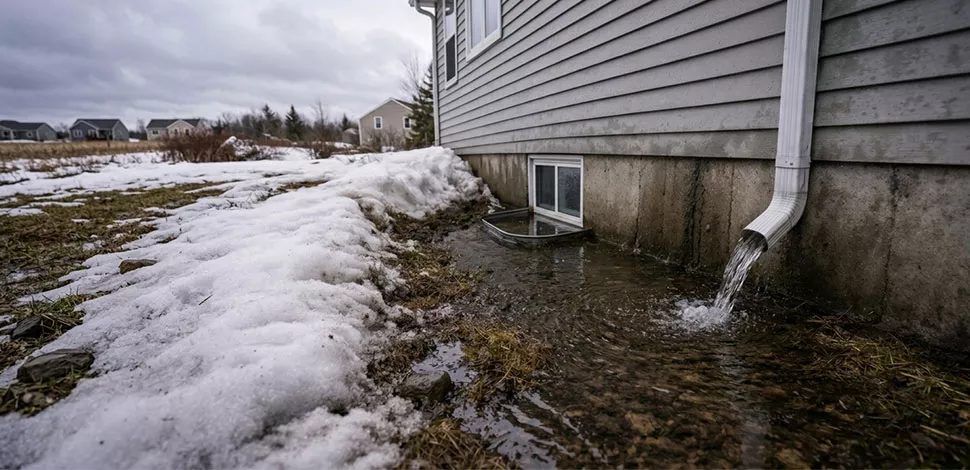
FEMA flood mitigation guidance highlights the importance of directing water away from the home through proper grading and drainage.
Helpful preventative steps include:
- Keeping gutters clean
- Extending downspouts away from the foundation
- Ensuring soil slopes away from the home
- Testing sump pumps before heavy rainfall
- Sealing visible foundation cracks when appropriate
- Keeping basement window wells and drains clear
These measures cannot reverse flood damage, but they can reduce the chances of repeated basement flooding.
Flooded Basement Repair Services in Maine & New Hampshire
Octagon Construction & Energy provides flooded basement repair and reconstruction services throughout Maine and New Hampshire.
Common service areas include parts of southern Maine and nearby New Hampshire communities, where spring thaw, coastal weather patterns, saturated soil, and older drainage systems can increase the risk of basement flooding.
Flooding conditions vary across coastal areas, inland communities, and neighborhoods with older drainage systems. For this reason, basement reconstruction often requires local construction knowledge and regional building experience.
Frequently Asked Questions
1. What is flooded basement repair?
Flooded basement repair involves removing damaged materials, inspecting structural components, and rebuilding basement areas so the space can be safely used again.
- Does every flooded basement require rebuilding?
No. Minor water events may only affect small areas. However, if drywall, insulation, framing, or flooring remained wet, rebuilding is often the safest approach.
- Can basement flooding cause mold problems?
Yes. According to EPA guidance, damp building materials can support mold growth if moisture remains trapped for extended periods.
- What areas of the basement commonly hide moisture damage?
Wall cavities, insulation, framing at the base of walls, and areas beneath finished flooring often conceal trapped moisture.
- When should I call for a repair evaluation?
You should contact a contractor when you notice soaked materials, recurring flooding, wall cracks, persistent damp odors, or signs that moisture has spread behind finished walls.
Conclusion
A flooded basement is more than a wet room. Water intrusion can affect drywall, insulation, flooring, and structural components throughout the home’s lower level.
The best response is to look beyond visible damage, identify compromised materials, and rebuild the basement with long-term durability and moisture protection in mind.
Flooded Basement Repair in Maine & New Hampshire
If your basement was damaged by spring flooding, Octagon Construction & Energy can help evaluate the repair scope and plan the reconstruction process.
Homeowners throughout Maine and New Hampshire rely on Octagon for professional basement rebuilding after flood damage.
Call (207) 310-4163 to schedule a flooded basement repair evaluation.
Octagon Construction & Energy provides reconstruction services across Maine and New Hampshire and can coordinate with the separate cleanup and mitigation team when a project moves from stabilization into rebuilding.