Metal-roof problems may develop gradually rather than from one obvious event.
They may begin with installation details that seem minor at the time.
Metal roofing is widely used across Maine and New Hampshire for durability and snow-shedding performance. When installation details are incorrect, homeowners may experience leaks, noise, panel movement, or damage to underlying materials.
A metal roof is part of a larger building system that must perform through snow, ice, wind, and temperature changes. Installation problems may appear gradually as materials move and weather conditions expose weak points.
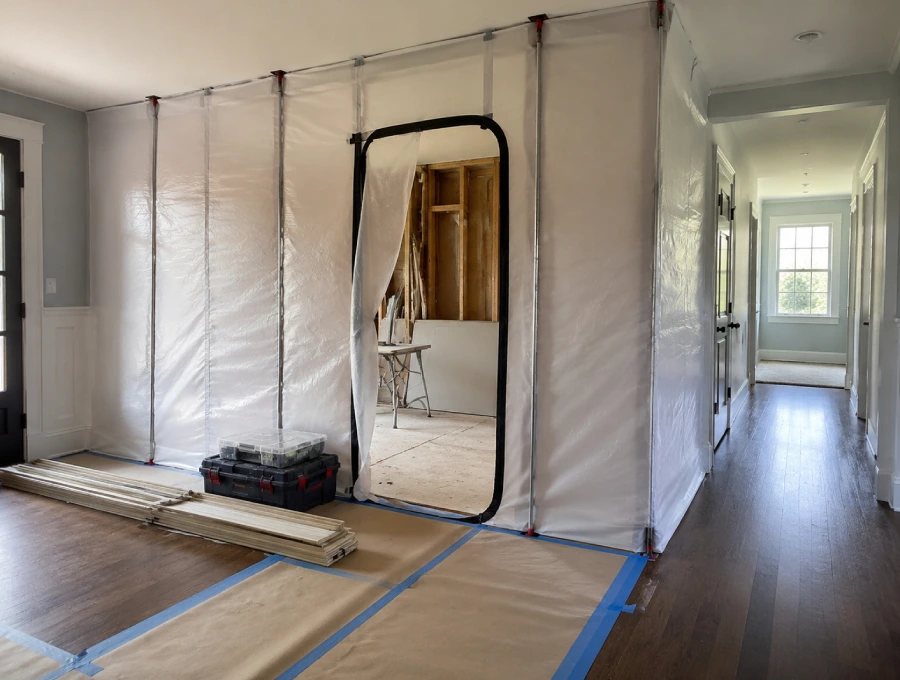
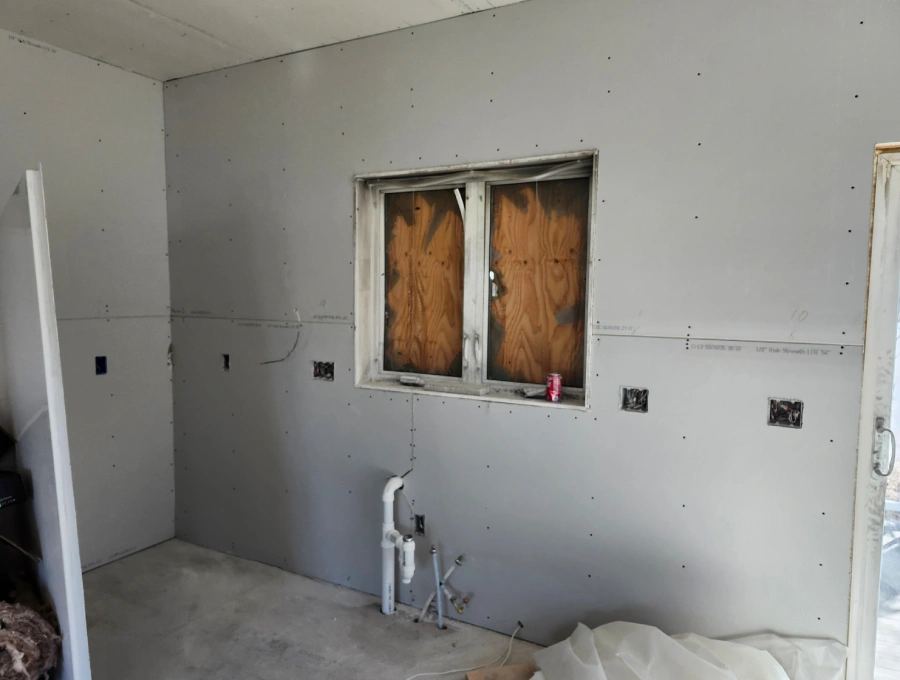
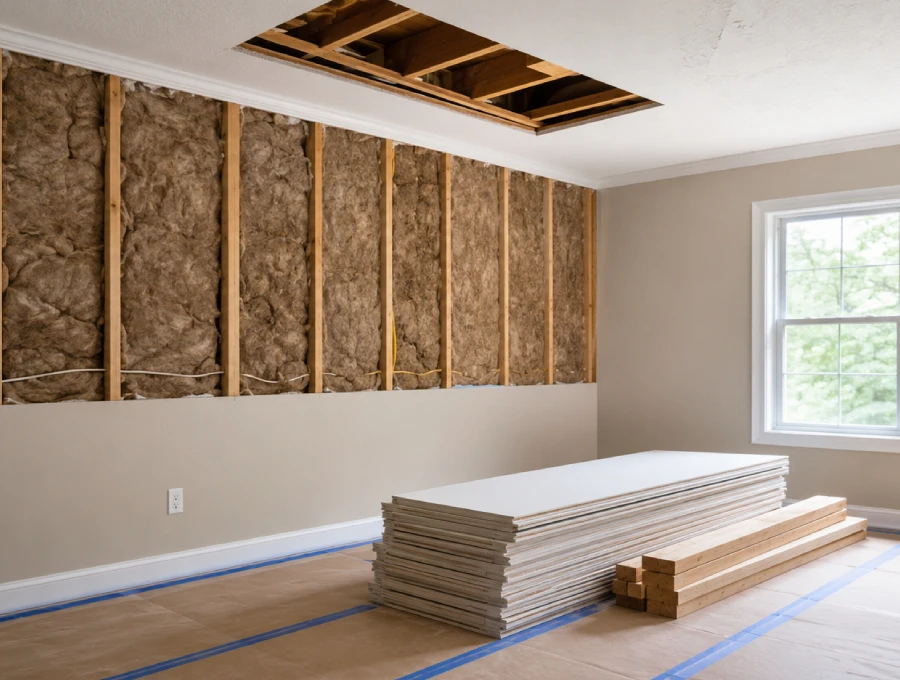
These issues may create reconstruction needs when decking, framing, insulation, ceilings, or interior finishes are affected.
Quick Answer
What causes metal roof leaks and noise?
Metal roof leaks and noise may be associated with fastener errors, flashing or underlayment problems, ventilation issues, and inadequate allowance for thermal movement.
When does a metal roof require replacement instead of repair?
A metal roof may require replacement when structural damage, moisture intrusion, or repeated installation failures affect long-term performance.
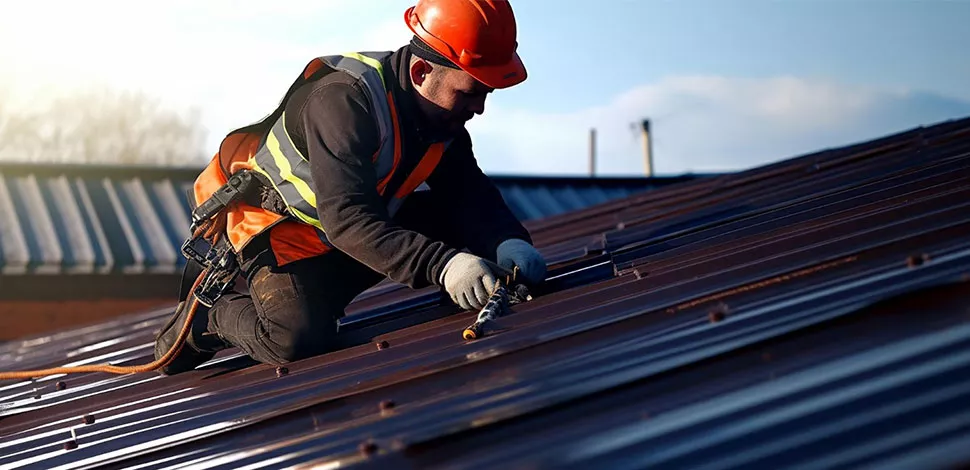
When Metal Roof Issues Become Structural Problems
In some homes, roofing problems can affect more than the surface layer.
Improper installation can lead to:
- Moisture intrusion into structural systems
- Damage to roof decking and framing
- Long term performance issues
Improper installation may also contribute to panel movement or uplift under snow and wind conditions, increasing stress on fasteners and connected components.
At this stage, limited repair may not be enough, and roof replacement or related reconstruction may be considered.
Why Metal Roof Problems Usually Start During Installation
Metal roof systems are designed to manage water, ventilation, and thermal movement.
Performance depends on how the full roof system is designed and installed.
Metal roof performance depends on design, installation, ventilation, flashing, fastener placement, and allowance for thermal movement. Maine and New Hampshire conditions also make snow load, ice, temperature changes, and applicable building requirements important considerations.
Installation issues may remain hidden until seasonal conditions expose them.
Improper Fastener Placement Creates Hidden Leak Paths
Fastener installation is one potential failure point.
One possible issue is incorrect fastener pressure:
- Overdriven fasteners damage seals
- Underdriven fasteners allow water entry
This leads to:
- Moisture intrusion at fastener lines
- Rust formation
- Panel movement
- Early failure
Moisture intrusion may extend beyond the roof surface and affect underlying materials, which can create water damage reconstruction needs.

Ignoring Thermal Expansion Leads to Noise and Panel Stress
Metal panels expand and contract as temperatures change in Maine and New Hampshire.
When systems do not allow for movement:
- Panels bind and stress builds
- Fasteners fail over time
- Noise may become persistent
Repeated stress may affect fasteners, panels, or structural connections over time.
Poor Underlayment Choices Increase Ice Dam Risk
Incorrect underlayment or flashing may allow water to move beneath the roof surface.
Common results:
- Water entering roof edges
- Saturation of decking
- Interior leaks far from entry point
This may allow moisture to reach decking or other structural components and create reconstruction needs beyond surface repair.
Incorrect underlayment and flashing allow water to move beneath the roof surface.
Common results:
- Water entering roof edges
- Saturation of decking
- Interior leaks far from entry point
This often leads to moisture intrusion that extends into structural components, requiring more than surface repair.
Insulation Gaps and Thermal Bridging Cause Noise and Heat Loss
Roof noise may be associated with installation, insulation, or movement issues.
Without proper insulation and air sealing:
- Heat loss may increase
- Moisture conditions may worsen
- Structural components may be exposed to stress
These issues may compound over time and contribute to broader structural damage.
Inadequate Ventilation Creates Moisture and Performance Issues
Ventilation helps manage moisture movement within the roof system.
Without it:
- Condensation may build
- Decking may deteriorate
- System performance may decline
Poor ventilation may increase the risk of damage to decking or related systems that could require repair or reconstruction.
Structural reconstruction may be relevant when roof leaks or installation failures affect decking, framing, or connected building components.
Why Existing Roof-Deck and Framing Conditions Matter
A metal roof depends on a stable supporting structure.
Installing over compromised decking may contribute to:
- Uneven attachment
- Fastener failure
- Structural stress
Existing roof-deck and framing conditions help determine whether limited repair, roof replacement, or related reconstruction may be appropriate.
Can Poor Metal Roof Installation Cause Structural Damage?
Yes. Improper installation may allow moisture intrusion or place stress on connected components, which can contribute to damage over time.
How Installation Mistakes Lead to Bigger Problems
In some homes, minor installation issues may contribute to larger structural concerns.
A small leak or noise problem may be associated with:
- Moisture damage to roof decking
- Structural weakening over time
- Increased repair or replacement costs
What begins as a minor issue may expand into structural damage and a broader reconstruction scope if the underlying conditions are not addressed.
Early review may help identify issues before the reconstruction scope expands.
Explore how reconstruction services support broader rebuilding work after damage.
What Homeowners Gain From Correct Installation
A properly designed and installed metal-roof system may support:
- Quieter performance
- Reduced moisture risk
- Improved energy performance
- Long term durability
Proper installation may support roof performance and long-term durability.
How OCE Approaches Reconstruction After Roof-Related Damage
OCE reviews visible, documented reconstruction conditions after the source of a leak or roof failure has been addressed.
When installation failures affect decking, framing, insulation, ceilings, or interior finishes, OCE focuses on rebuilding those areas based on the approved scope and applicable project requirements.
The reconstruction scope should reflect documented conditions after the source of the roof problem has been addressed.
This includes:
- Review of visible reconstruction conditions
- Coordination around documented moisture or structural impacts
- Rebuilding affected components
- Work based on approved scope and applicable project requirements
For a broader rebuilding overview, see reconstruction services and how structural work is planned.
Discuss Your Reconstruction Project
Metal roof issues caused by improper installation may contribute to structural damage when underlying conditions are not addressed.
Discuss the reconstruction needs with Octagon Construction & Energy.
FAQ
Why does a metal roof make noise in cold weather?
Noise may be associated with restricted movement, insulation gaps, or other installation conditions.
Can metal roofs leak during ice dam conditions?
Yes. Underlayment or flashing problems may allow water intrusion during ice-dam conditions.
When should a roof be replaced instead of repaired?
Replacement may be considered when structural damage, moisture spread, or repeated installation failures affect the roof system.
Can insulation reduce roof noise?
Proper insulation and air sealing may help reduce sound transfer.