When property damage happens, most homeowners follow a similar sequence. The damage occurs. A claim gets filed. Mitigation crews handle cleanup, drying, removal, and stabilization. Eventually, the insurance carrier reviews the documented damage and an approved scope of work may be established.
At that point, the situation changes.
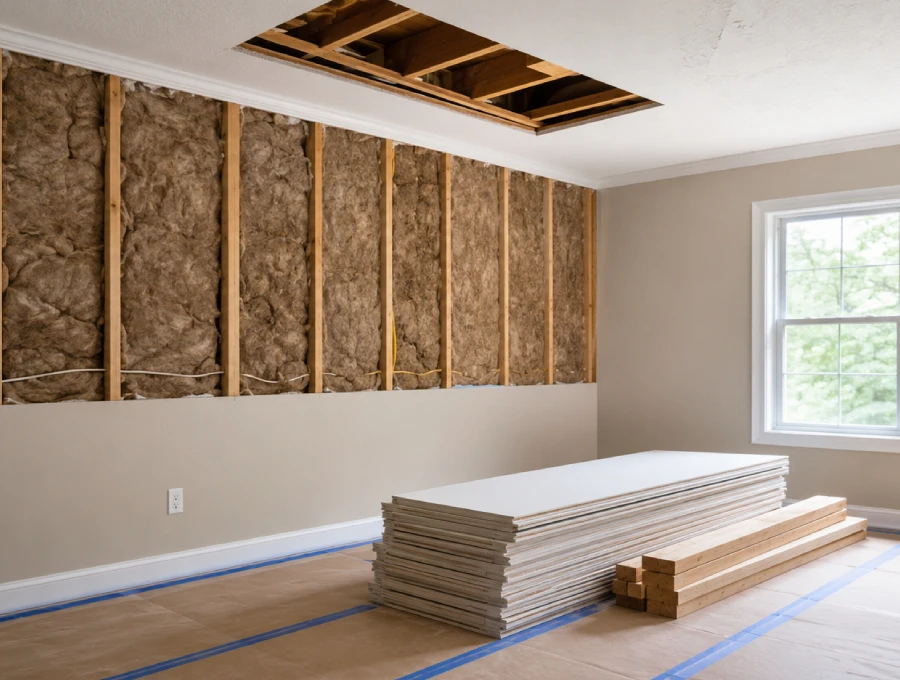
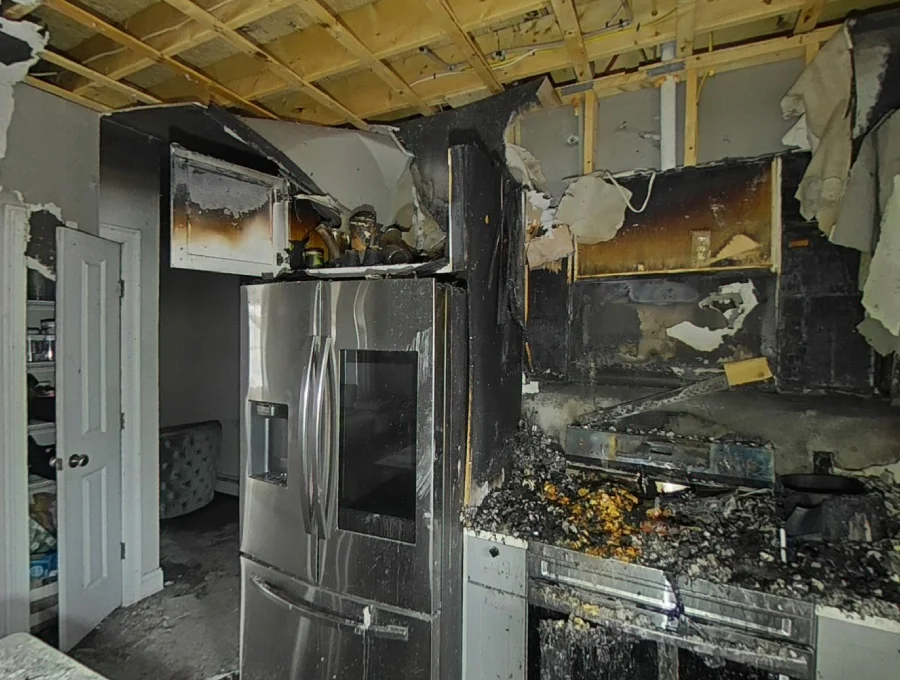
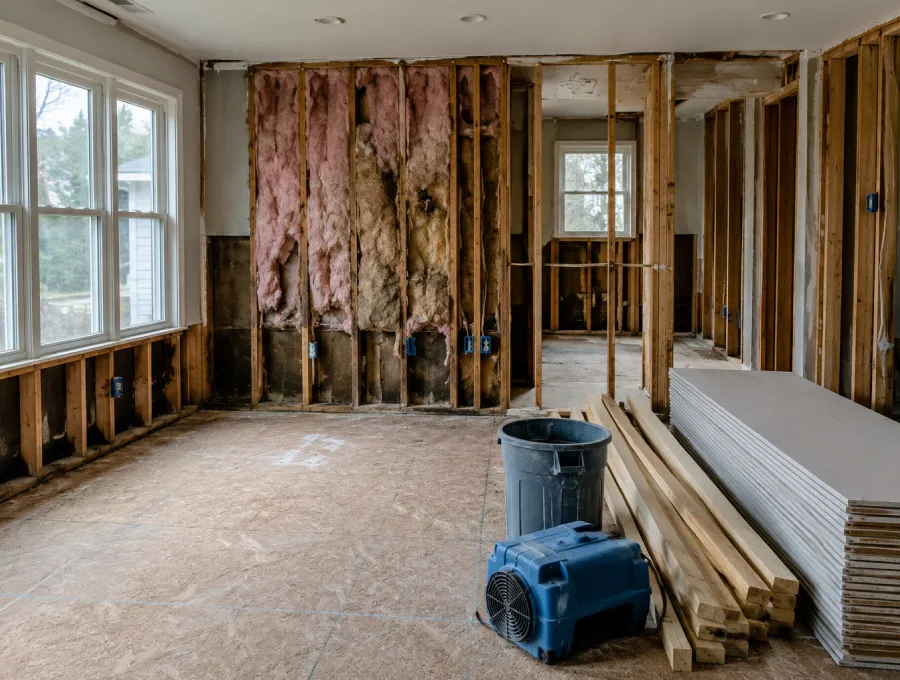
Emergency response is complete. The property may be stabilized, but it may still be unfinished. Walls may be open. Flooring may be removed. Cabinets, trim, insulation, drywall, or structural materials may be missing. The home may be protected from immediate damage, but it is not fully rebuilt.
This is where reconstruction begins.
The reconstruction phase requires a different type of contractor, project coordination, and understanding of how the approved insurance scope turns into actual rebuild work. This guide explains how the insurance reconstruction process works in Maine and New Hampshire, what happens after scope approval, and what homeowners can expect during each stage.
Quick Answer
After an insurance claim is approved and mitigation is complete, reconstruction planning begins. The approved scope of work guides what gets rebuilt, a reconstruction contractor handles the rebuild phase, and the project moves through scope review, planning, permitting, material selection, construction, and final completion.
Octagon Construction & Energy may provide construction-scope or estimate information for carrier review when additional construction-related details are identified.
Actual reconstruction follows the approved scope of work and documented project conditions.
Reconstruction timelines vary depending on scope, permits, material availability, inspections, and whether additional construction-related scope items require carrier review.
What Happens After Insurance Approves Reconstruction
Insurance approval does not automatically mean active rebuilding begins. It starts the planning phase that leads to the rebuild.
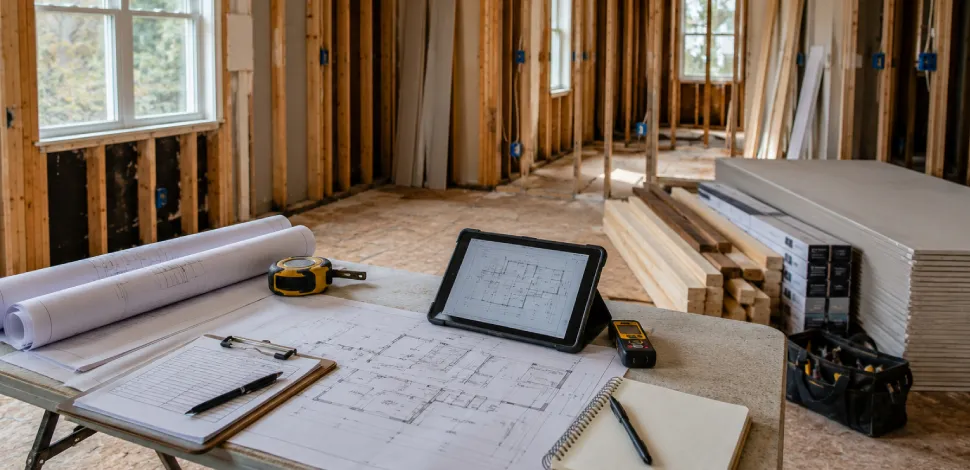
Once your carrier approves the scope, you usually receive documentation that lists covered work items, materials, quantities, and approved costs. Before reconstruction begins, several steps normally happen.
Mitigation Completion Verification
The cleanup, drying, demolition, and removal phase must be complete before reconstruction starts. This helps confirm that the property is stable enough for rebuild work.
Reconstruction Contractor Selection
Some homeowners stay with the company that handled mitigation. Others choose a dedicated reconstruction contractor for the rebuild phase.
The important point is that reconstruction requires rebuild experience, insurance-scope coordination, and project management.
Scope Review
The reconstruction contractor reviews the approved insurance scope against the actual property condition.
This step helps identify whether the approved scope matches what the property requires.
Initial Walk-Through
A walk-through helps confirm what materials were removed, what areas remain exposed, and whether additional construction conditions may require documentation for carrier review.
Planning and Scheduling
Permits, materials, crew schedules, subcontractors, inspections, and homeowner access all need to be coordinated before active reconstruction begins.
Why Reconstruction Begins After Mitigation
Mitigation and reconstruction are two separate phases of property recovery.
Mitigation focuses on stabilizing the property and addressing immediate damage conditions. This may include drying, removal of damaged materials, cleanup, and documentation of affected areas.
Reconstruction focuses on rebuilding what was removed or damaged. That can include:
- Framing
- Insulation
- Drywall
- Subflooring
- Finished flooring
- Paint
- Trim
- Cabinets
- Fixtures
- Other approved finish materials
Many homeowners assume the same company that handled cleanup will automatically handle the rebuild. Some companies do both, but the work is not the same.
For OCE’s work, reconstruction begins after emergency response, cleanup, and stabilization are complete. OCE focuses on rebuilding affected structural and interior systems based on the approved scope and documented conditions.
Maine and New Hampshire Reconstruction Realities
Insurance reconstruction in Maine and New Hampshire often comes with local conditions that affect timing and scope.
Factors may include:
- Coastal moisture exposure
- Winter weather conditions
- Freeze-thaw cycles
- Local permitting requirements
- Material availability
- Seasonal construction limitations
These conditions influence planning, scheduling, and material coordination.
A proper reconstruction plan should account for the approved scope, property condition, location, permits, and construction requirements.
What the Reconstruction Scope Includes
The reconstruction scope depends on the type and extent of damage.
Structural Work
This may include:
- Replacing framing members
- Repairing or replacing subflooring
- Rebuilding structural assemblies
- Correcting structural areas exposed during mitigation
Insulation
If wall or ceiling cavities were opened, insulation may need to be replaced before drywall and finish work can begin.
Drywall
Drywall reconstruction may include:
- Hanging
- Taping
- Mudding
- Sanding
- Finishing
Flooring
Flooring work may include:
- Subfloor repair
- Underlayment
- Hardwood
- Tile
- Laminate
- Vinyl
- Carpet
Paint and Finish Work
This includes:
- Priming
- Painting
- Trim replacement
- Baseboards
- Final finish details
Cabinetry and Fixtures
When kitchens, bathrooms, built-ins, or vanities are affected, the scope may include cabinet removal, replacement, reinstallation, or fixture coordination.
Plumbing and Electrical
If plumbing or electrical systems were exposed, damaged, or affected by demolition, licensed trades may need to reconnect, repair, or update those systems.
Permitting and Code Compliance
Some reconstruction projects require permits and inspections depending on the municipality, project scope, and whether structural, plumbing, electrical, or major rebuild work is involved.
Why Insurance Scope and Rebuild Scope Must Align
The insurance scope is what the carrier has approved to pay for.
The rebuild scope is what actually needs to be completed based on the property condition.
These two should align, but they do not always match perfectly.
When additional construction conditions are discovered:
- The contractor documents the conditions.
- Construction-scope information may be provided for carrier review.
- Additional scope items may require approval before proceeding.
Octagon Construction & Energy may provide construction-scope or estimate information for carrier review.
OCE does not negotiate insurance claims, determine coverage, or guarantee insurance approval.
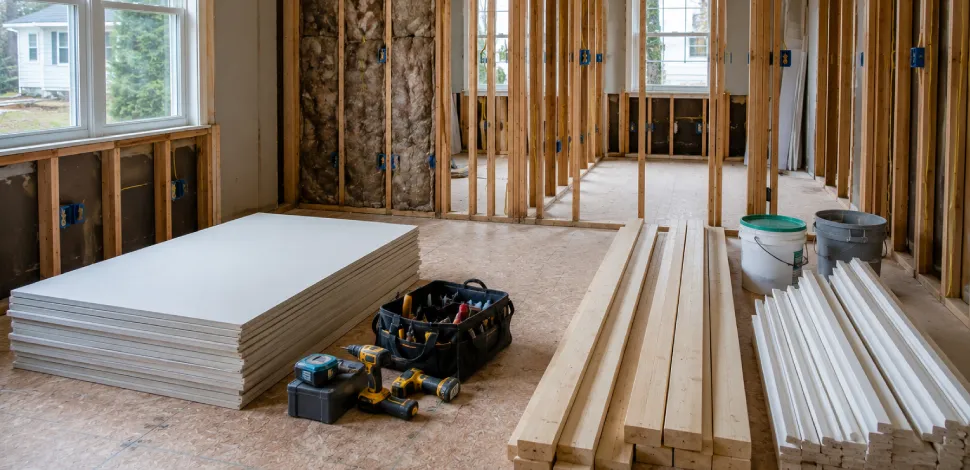
A Real Reconstruction Scope Example
A finished basement reconstruction project in Windham, Maine required mitigation first, followed by flooring, trim, and repainting work once reconstruction began.
The stabilization phase addressed the immediate damage conditions, but the space was not usable until reconstruction rebuilt the finishes and completed the approved rebuild scope.
This type of project shows why reconstruction planning should begin after mitigation is complete and the scope is clear.
How Reconstruction Planning Affects Timeline
Reconstruction timelines depend on several factors.
Material Availability
Flooring, cabinetry, tile, specialty trim, and fixtures can affect scheduling.
Permit Timelines
Maine and New Hampshire towns do not all move at the same speed.
Subcontractor Scheduling
Plumbers, electricians, HVAC technicians, and other trades may need coordination.
Property Access
Occupied homes may require additional scheduling considerations.
Weather
Exterior reconstruction work may be affected by seasonal conditions.
Project timelines vary based on scope, material availability, permitting, inspections, seasonal conditions, and any additional scope review.
Common Delays During Insurance Reconstruction
Common causes of delays may include:
- Supplemental scope review
- Material availability issues
- Permit requirements
- Hidden construction conditions discovered during rebuilding
- Weather-related delays
- Scope clarification
Clear communication between homeowners, contractors, and involved parties helps manage expectations.
Questions to Ask Before Reconstruction Begins
Before starting reconstruction, homeowners should ask:
- Are you experienced with insurance reconstruction work?
- Do you review the approved insurance scope before starting?
- How do you document additional construction conditions?
- How are scope changes handled?
- Are you licensed and insured in Maine or New Hampshire?
- What is the expected timeline?
- Who is the main project contact?
- What warranty do you provide?
Reconstruction After Water or Fire Damage
The reconstruction process varies depending on the type of damage.
Water Damage Reconstruction
Water damage reconstruction may involve rebuilding drywall, subflooring, insulation, flooring, and affected structural areas after mitigation is complete.
Learn more about water damage reconstruction
Fire Damage Reconstruction
Fire damage reconstruction may involve rebuilding affected structural and interior systems after cleanup and stabilization are complete.
Learn more about fire damage reconstruction
Structural Reconstruction
Structural reconstruction may be needed when framing, subfloors, roof systems, or other structural components require rebuilding.
Learn more about structural reconstruction
In each case, reconstruction follows stabilization and an approved scope of work.
When to Contact a Reconstruction Contractor
If your insurance claim is approved, mitigation is complete, and your property is ready for rebuilding, this is when reconstruction planning should begin.
A reconstruction contractor can review the approved scope, review project requirements, and coordinate the rebuild process.
Octagon Construction & Energy focuses on the reconstruction phase after mitigation is complete.
Discuss Your Reconstruction Project
Octagon Construction & Energy works with homeowners across Maine and New Hampshire to rebuild after water, fire, and structural damage.
OCE focuses on reconstruction after mitigation is complete and works from approved scopes and documented conditions.
Frequently Asked Questions
- How long does insurance reconstruction take in Maine and New Hampshire?
Timelines vary based on scope, material availability, permitting, inspections, and whether additional construction-scope items require carrier review.
- Can I use any contractor for insurance reconstruction work?
Contractor choice depends on the policy and carrier process. Homeowners can often select a contractor, but any preferred-provider or documentation requirements should be confirmed with the carrier.
- What if the insurance scope does not cover everything that needs to be rebuilt?
A contractor may document additional construction conditions and provide construction-scope information for carrier review. Approval of additional scope remains with the insurance carrier.
- Do I have to pay for reconstruction work upfront?
Payment schedules vary by contractor, contract terms, project milestones, and how insurance proceeds are released. Review the payment schedule and approved scope before work begins.
- What happens if I disagree with the insurance company’s scope?
Ask the insurance carrier about available scope-review or dispute options. OCE can document construction conditions and identified scope gaps, but it does not act as a public adjuster or negotiate claims.
- Should I move out during reconstruction?
Whether temporary relocation is needed depends on project scope, property access, safety considerations, and the reconstruction plan. Confirm the arrangement with the contractor and insurance carrier.