- (207)310-4163
- office@octagonconstructionandenergy.com
- 12 Roosevelt Trail Unit 4, Windham, Maine 04062


Water Damage Reconstruction in Maine & New Hampshire
Licensed. Insured. Reconstruction specialists in Maine & New Hampshire.
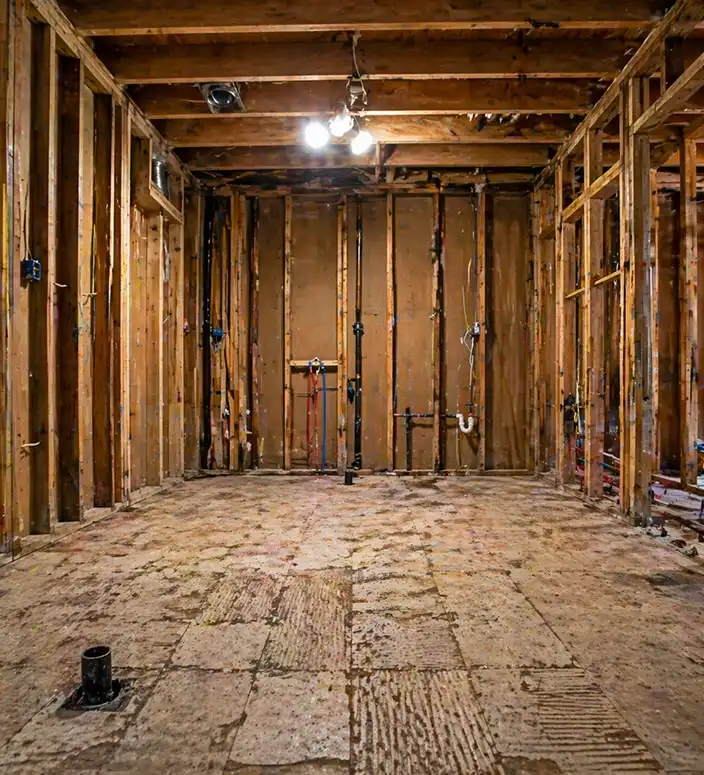
Water damage has already happened. Mitigation is complete, but your home is still left open and not fully livable.
After water damage cleanup, most homes are left exposed and incomplete — reconstruction is what makes them livable again.
At Octagon Construction & Energy, we specialize in rebuilding homes after water damage, restoring structural areas affected by moisture, material removal, and post-mitigation exposure.
Delaying reconstruction increases structural risk and total repair cost.
Walls may be removed, subfloors exposed, and structural areas left incomplete. This is the stage where water damage reconstruction is required to rebuild the property properly.
Licensed. Insured. Local reconstruction specialists.
Talk to a Reconstruction Specialist: (207) 310-4163
Quick Answer
What is water damage reconstruction?
What Water Damage Leaves Behind
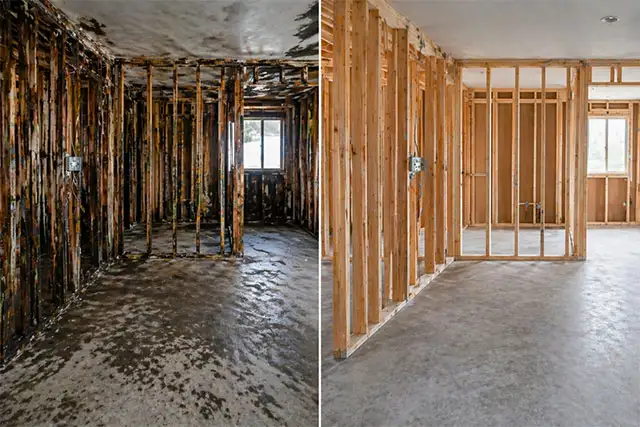
After water damage and mitigation, the visible damage may be removed, but the structure is not restored.
Most properties are left with:
- Exposed framing and structural components
- Damaged or weakened subfloors
- Removed drywall and insulation
- Interior areas that are partially unusable
At this stage, the home is no longer in a normal living condition.
Reconstruction restores the home to a safe and fully livable condition.
Why Homes Remain Unusable After Water Damage
After mitigation is complete, the structure is not fully restored.
Properties are often left with:
- Exposed framing and structural components
- Damaged or weakened subfloors
- Removed drywall and insulation
- Interior areas that are partially unusable
Even after mitigation is complete, structural damage may still remain.
This is the stage where reconstruction is required to restore structural stability and make the home fully livable again.
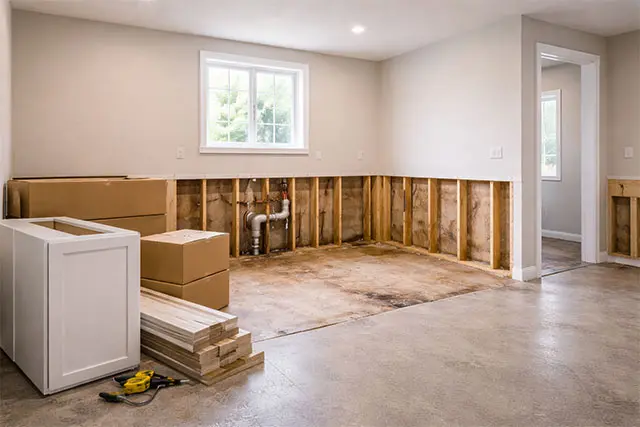
Why is reconstruction needed after water damage?
Even after drying is complete, structural components may remain weakened or incomplete. Reconstruction restores stability and makes the home usable again.
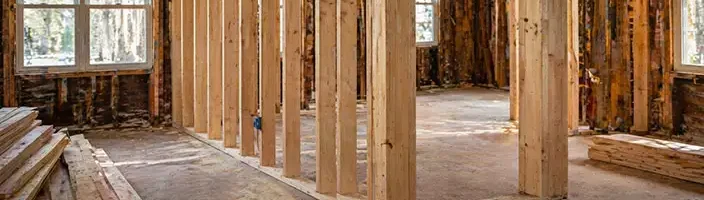
Why Water Damage Requires Reconstruction
Water does more than surface-level damage. It can weaken structural components and affect the long-term stability of a property. In some cases, properties affected by severe events may also require fire damage reconstruction when multiple forms of structural damage are present.
Even after drying is complete, underlying issues may remain:
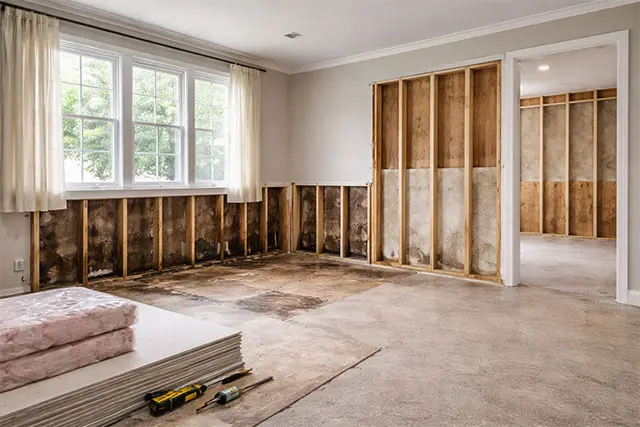
- Compromised structural integrity
- Hidden damage within framing and flooring systems
- Increased risk of long-term deterioration
Water damage often affects structural components beyond visible areas, requiring full reconstruction rather than partial repair. In many cases, this requires structural reconstruction to fully restore load-bearing systems and overall stability.
Improper rebuilding at this stage can lead to recurring damage and long-term structural issues.
Reconstruction ensures the structure is rebuilt correctly and meets building standards.
What Water Damage Reconstruction Includes
Water damage reconstruction focuses on rebuilding structural and interior components that were removed or compromised.
This includes:
- Subfloor replacement where structural support has been weakened
- Framing repair to restore load-bearing stability
- Insulation replacement following moisture exposure
- Drywall and interior rebuild to restore usable space
The goal is to fully rebuild the property for long-term structural performance.
What does a water damage reconstruction contractor do?
Our Water Damage Reconstruction Process
 Mitigation CompletedWe begin after mitigation is complete and the structure is ready for rebuild.
- Structural AssessmentEvaluate damage to framing, subfloors, and structural systems
- Scope DefinitionDefine the reconstruction work required based on actual conditions
- Insurance CoordinationAlign reconstruction work with the approved scope
- Reconstruction ExecutionRebuild affected areas to restore the home fully
This ensures the property is rebuilt correctly and not just repaired.
When should reconstruction begin after water damage?
Reconstruction should begin immediately after mitigation is complete to prevent further deterioration and delays.
When to Start Reconstruction After Water Damage
Reconstruction should begin as soon as mitigation is complete.
You should contact a reconstruction contractor when:
- Structural components are exposed
- Walls, flooring, or framing have been removed
- The home is not fully functional
Delaying reconstruction increases the risk of structural deterioration and higher repair costs.
Insurance Coordination During Reconstruction
Reconstruction after water damage is often part of an insurance claim, and the rebuild must follow the approved scope.
We work within that process to ensure reconstruction is completed correctly and without unnecessary delays.
Our role includes:
- Coordinating directly with your insurance adjuster
- Reviewing and aligning the reconstruction scope with actual structural conditions
- Documenting all rebuild work to match approved requirements
- Ensuring reconstruction follows the defined scope without gaps or rework
his helps prevent common issues such as:
- Scope mismatches
- Delays in reconstruction
- Incomplete or incorrect rebuilding
Reconstruction is not just about rebuilding the structure — it must also align with how the claim has been approved.
Insurance Coordination During Reconstruction
Reconstruction after water damage is often part of an insurance claim, and the rebuild must follow the approved scope.
We work within that process to ensure reconstruction is completed correctly and without unnecessary delays.
Our role includes:
Proper alignment helps prevent delays, rework, and incomplete reconstruction.
Water Damage in Maine & New Hampshire Homes
These conditions often expand reconstruction scope beyond what is initially visible. Homes in Maine and New Hampshire are particularly vulnerable to water damage due to:
These conditions often cause damage within subfloors, framing, and interior structures that becomes visible after mitigation.
Reconstruction in this region requires experience with seasonal damage patterns unique to Maine and New Hampshire homes.
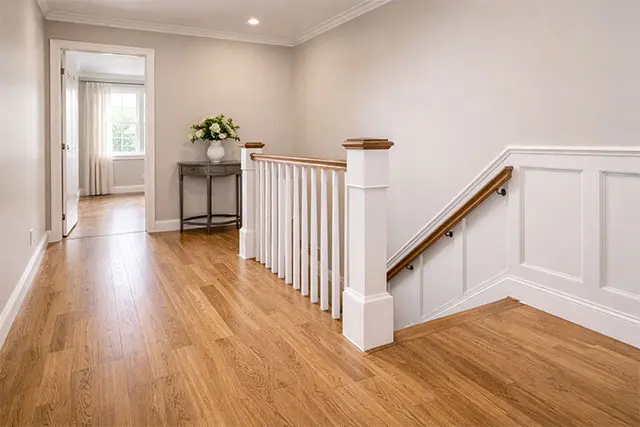
Built for Reconstruction After Water Damage
Reconstruction is not just rebuilding.
- Licensed and insured contractor
- BBB recognized business
- Leadership team with over 20 years of experience
- 1-year workmanship warranty
Our work focuses on rebuilding after water damage with attention to structural accuracy and long-term durability.
Real Water Damage Reconstruction Projects
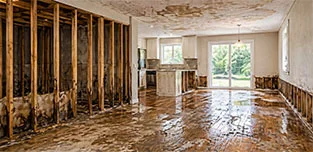
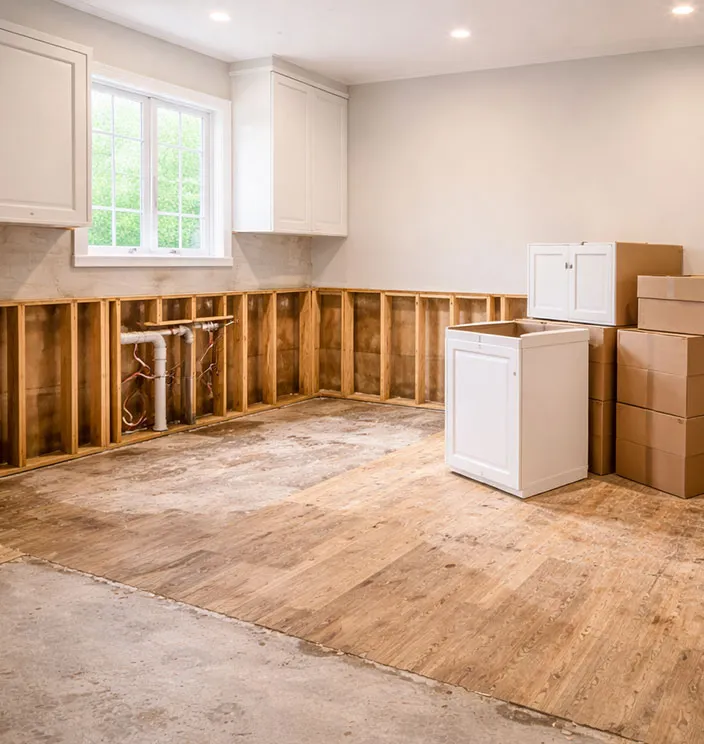
Before
Water damage affecting structural components and interior materials
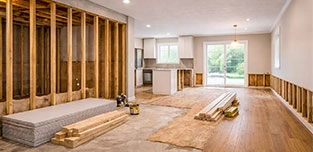
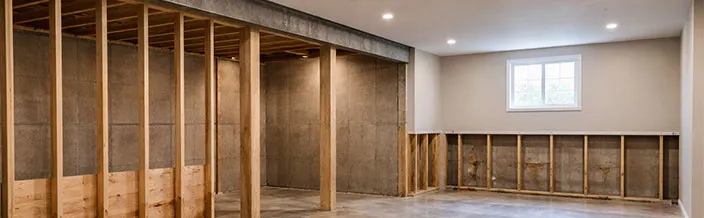
During
Exposed framing and active reconstruction of structural areas
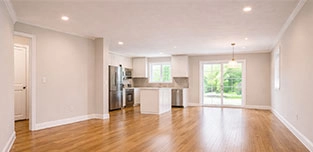
After
Completed rebuild restoring full functionality
Start Rebuilding After Water Damage
If your home is still incomplete after water damage and mitigation, reconstruction is the next step.
Leaving the structure incomplete can lead to further damage and increased repair costs.
👉 Request a Reconstruction Assessment
Licensed. Insured. Reconstruction specialists in Maine & New Hampshire.
Frequently Asked Questions
What happens after water damage cleanup?
After cleanup and drying, reconstruction is required to rebuild structural and interior components.
When is reconstruction required after water damage?
Reconstruction is required when drywall, flooring, or structural elements have been removed or damaged.
Does insurance cover water damage reconstruction?
In many cases, reconstruction is covered if it aligns with the approved scope of damage.
How long does water damage reconstruction take?
The timeline depends on the extent of structural damage and the amount of rebuilding required.
What happens if reconstruction is delayed after water damage?
Delays can lead to structural deterioration, extended exposure, and increased repair costs.
Can I live in my home during water damage reconstruction?
This depends on the extent of damage. Temporary relocation may be required in many cases.
Do all water damage cases require reconstruction?
Not all cases require full reconstruction, but structural damage or material removal will require rebuilding.
What parts of a home are rebuilt after water damage?
This may include subfloors, framing, drywall, insulation, and interior structural components.
What happens after water damage mitigation is complete?
After mitigation, damaged materials are removed, but the home is left incomplete. Reconstruction restores structure and livability.
Do you handle cleanup or mitigation?
No. We specialize only in reconstruction after mitigation is completed.
How long does reconstruction take after water damage?
Timelines vary depending on damage severity, but most projects take several weeks to months.