- (207)310-4163
- office@octagonconstructionandenergy.com
- 12 Roosevelt Trail Unit 4, Windham, Maine 04062


STRUCTURAL DAMAGE RECONSTRUCTION IN MAINE & NEW HAMPSHIRE
Structural damage often becomes visible after mitigation — reconstruction is what restores safety and stability.
Licensed. Insured. Reconstruction specialists in Maine & New Hampshire.
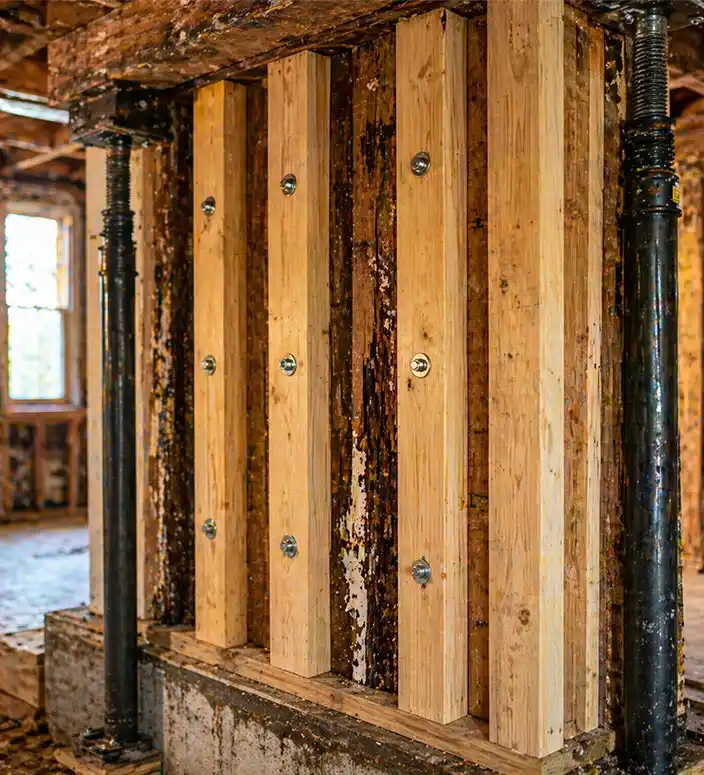
Structural damage affects load-bearing systems and requires proper reconstruction to restore stability.
At Octagon Construction & Energy, we specialize in structural damage reconstruction across Maine and New Hampshire, rebuilding compromised load bearing systems and restoring full structural stability after damage. In many cases, structural damage requires full reconstruction of affected components rather than partial repair.
When framing, subfloors, or load bearing elements are affected, the safety and stability of the entire structure are at risk. Structural damage does not remain stable. It progresses over time if not addressed. Explore our full reconstruction services to understand how different types of structural damage are addressed across the property.
Once structural damage is identified, the property is often no longer safe or stable — reconstruction is what restores integrity and usability.
Talk to a Reconstruction Specialist: (207) 310-4163
Reconstruction Starts After Damage Assessment
Structural reconstruction begins after damage has been identified and the property is ready for rebuild.
At this stage:
- Load-bearing systems have been evaluated
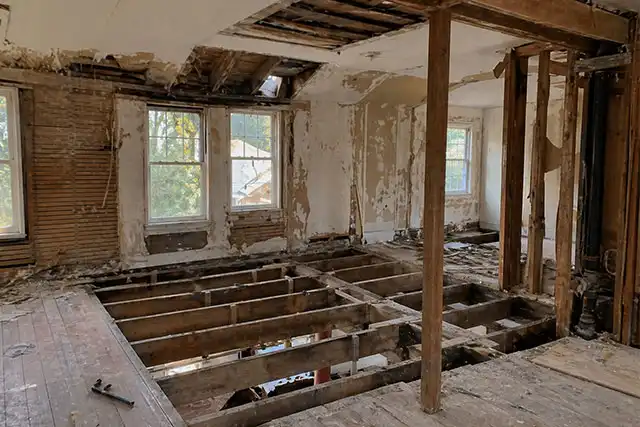
- Structural components may be exposed
- The property is no longer fully stable
Reconstruction restores structural integrity and safe load distribution.
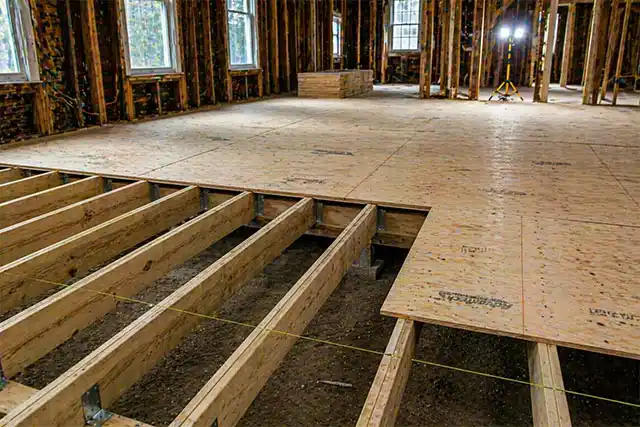
When Structural Damage Requires Reconstruction
Structural damage affects load-bearing systems that support the entire structure.
Common indicators include:
- Uneven or sloping floors
- Cracks in walls or ceilings
- Doors and windows that no longer align
- Sagging floor or ceiling sections
These conditions indicate that structural capacity may be compromised.
Reconstruction becomes necessary when load paths are affected, framing loses strength, or structural movement impacts stability.
At this stage, repair is no longer sufficient — rebuilding is required to restore proper load distribution and structural performance.
Common Causes of Structural Damage
Structural damage can develop gradually or result from specific events.
Common causes include:
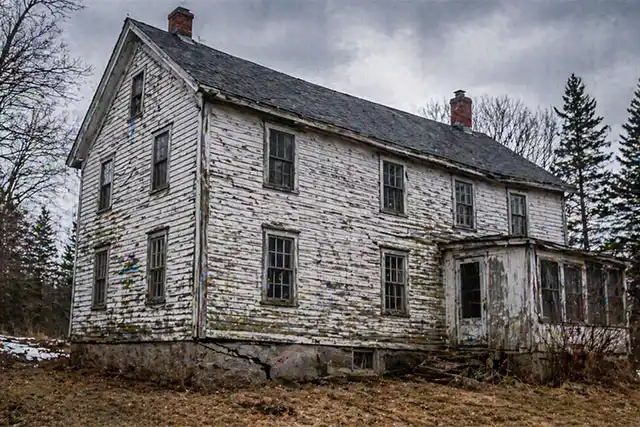
- Water intrusion weakening framing and subfloors
- Fire damage compromising load-bearing systems
- Foundation movement or settlement
- Seasonal expansion and contraction
- Freeze–thaw cycles affecting material performance
These conditions often require full reconstruction of affected structural components.
What Structural Damage Reconstruction Includes
Structural damage reconstruction focuses on rebuilding compromised load-bearing systems.
This may include:
- Rebuilding load-bearing elements
- Subfloor reconstruction
- Framing reconstruction
- Structural reinforcement to meet code requirements
Our Structural Reconstruction Process
We begin after structural damage has been identified and the property is ready for reconstruction.
 Structural AssessmentIdentify compromised load paths and load bearing components
- Damage EvaluationDetermine how structural capacity has been affected
- Reconstruction PlanningDefine rebuild requirements based on actual structural conditions
- Reconstruction ExecutionRebuild structural systems to restore stability and load distribution This ensures the structure is rebuilt correctly and not temporarily stabilized
When Should Structural Reconstruction Begin?
If your property has already been assessed and damage identified, this is the stage where reconstruction should begin.
Structural Reconstruction in Maine & New Hampshire
Homes in Maine and New Hampshire face environmental conditions that increase structural stress:
Over time, these conditions reduce structural performance and require proper reconstruction.
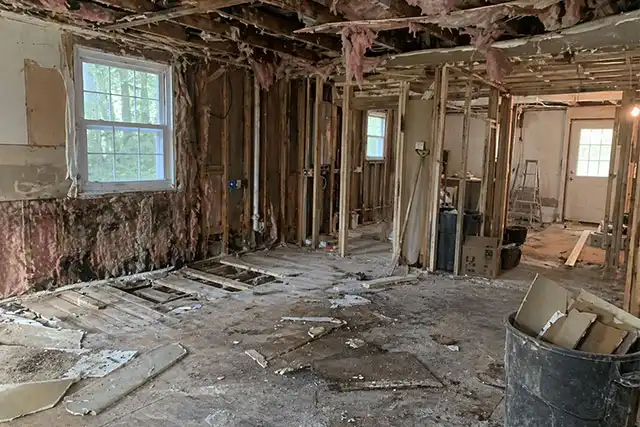
Built for Structural Reconstruction
- Licensed and insured contractor
- BBB recognized business
- Leadership team with over 20 years of experience
- 1-year workmanship warranty
Structural reconstruction requires coordination between framing, load-bearing systems, and long-term durability — not just surface-level repairs.
Our work is focused specifically on rebuilding structural systems for long term stability.
From Structural Damage to Fully Rebuilt
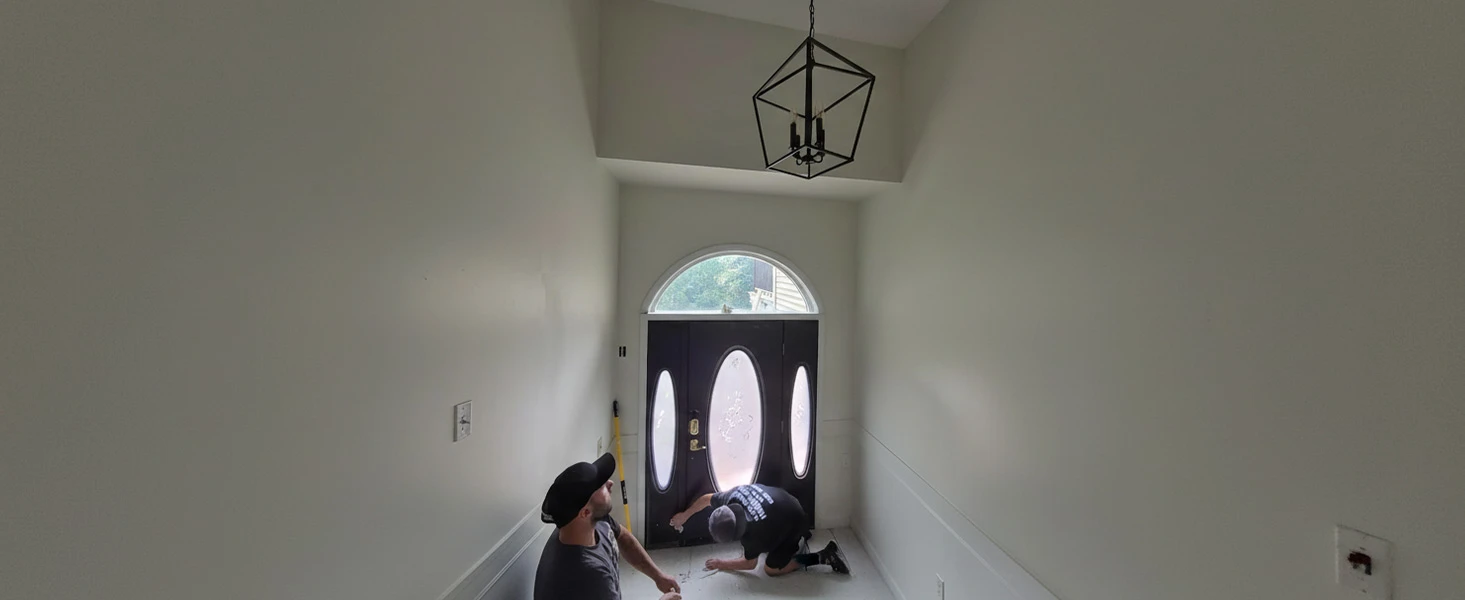
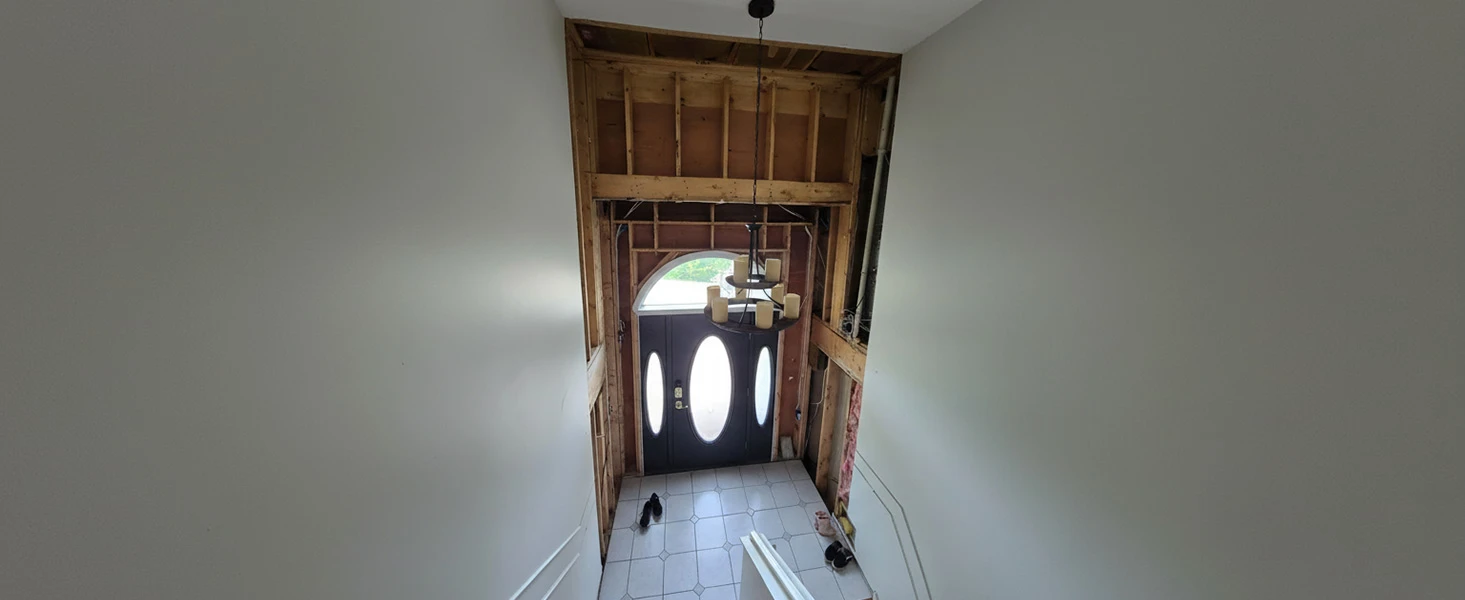
Start Structural Reconstruction Before Damage Worsens
Structural damage does not remain stable. It progresses over time if not addressed.
👉 Request a Reconstruction Assessment
Frequently Asked Questions
What is structural damage?
Structural damage affects load bearing components such as framing, beams, and subfloors, reducing the ability of the structure to safely support weight.
How serious is structural damage?
Structural damage can compromise the stability of the entire home. Even small visible signs may indicate deeper structural impact that requires professional evaluation.
Can structural damage be fixed without reconstruction?
In some minor cases, reinforcement may be possible. However, when structural capacity is reduced or movement is present, full reconstruction is typically required to restore stability.
When should I call a reconstruction contractor instead of waiting?
If you notice movement, sagging, misalignment, or worsening conditions, waiting increases both risk and repair scope. Structural damage does not stabilize on its own.
How do I know if damage is structural or just cosmetic?
Surface issues may appear minor, but signs like uneven floors, shifting doors, or recurring cracks often indicate structural involvement. A structural assessment is required to confirm.
Will structural damage continue to get worse over time?
Yes. Structural damage typically progresses as load distribution becomes uneven, increasing stress on surrounding components.
Is structural damage covered by insurance?
Coverage depends on the cause of damage and policy terms. Reconstruction work must align with the approved scope of repair. This type of work is often part of insurance reconstruction, where rebuilding must follow the approved scope after a claim.
What happens if reconstruction is delayed?
Delays can lead to expanded structural failure, higher costs, and more complex reconstruction requirements.