
Introduction
The water is gone. Everything looks dry. But that does not mean the structure is safe.
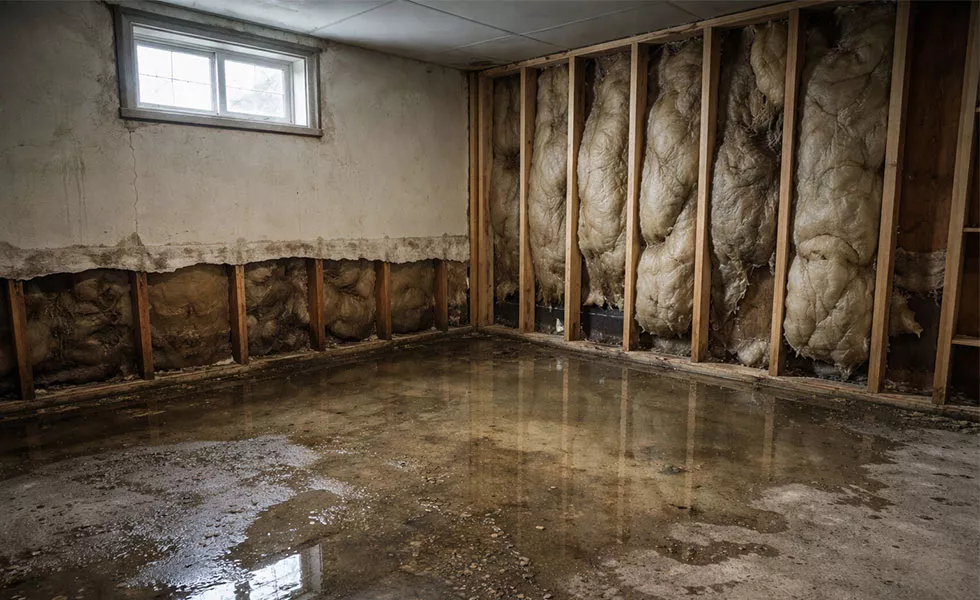
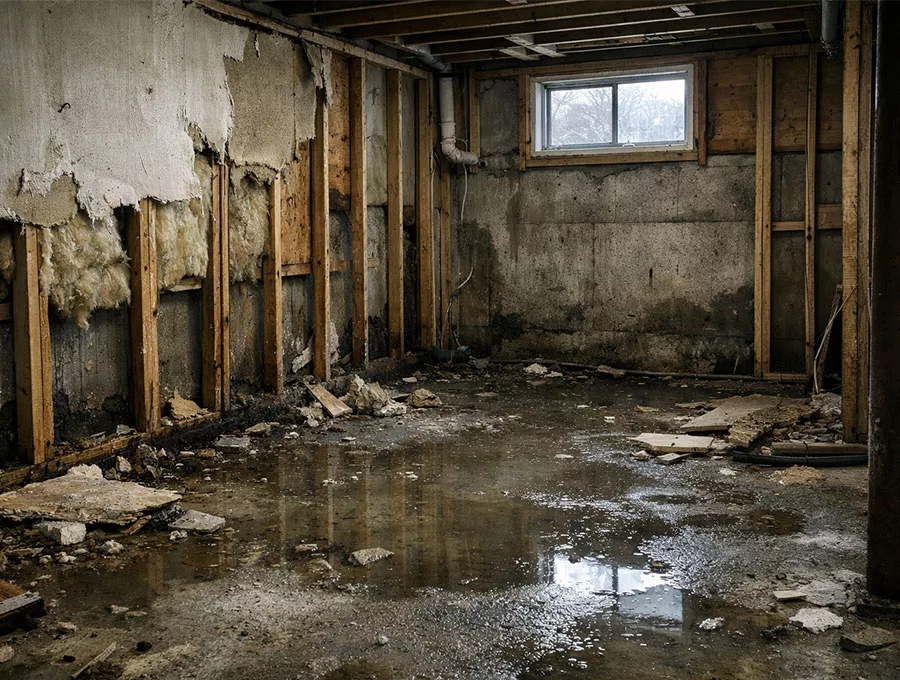
Structural damage after water intrusion often develops inside subfloors, framing, and wall assemblies long after surface drying is complete. In homes across Maine and New Hampshire, especially older properties and coastal areas, moisture can remain trapped due to dense materials, basement conditions, and seasonal freeze-thaw cycles.
This type of hidden damage does not resolve on its own. It spreads internally, weakening structural systems and increasing the scope of reconstruction over time.
Most homeowners cannot accurately assess this condition. Structural evaluation requires reconstruction expertise to determine whether materials can be stabilized or must be replaced.
Octagon Construction and Energy provides structural reconstruction services across Maine and New Hampshire, specializing in post-intrusion damage evaluation, reconstruction planning, and insurance-aligned rebuilding.
Delaying evaluation increases the likelihood that localized damage becomes a full structural reconstruction project.
Table of Contents
- What Is Structural Damage After Water Intrusion
- Why It Happens
- How Water Affects
- Structural Systems
- Signs You Should Not Ignore
- What Happens If Ignored
- How Long Does Damage Take to Develop
- When Reconstruction Is Required
- What to Do Next
- Cost Impact of Delay
- Common Mistakes
- When to Call a Professional
- Professional Standards
- FAQ
What Is Structural Damage After Water Intrusion
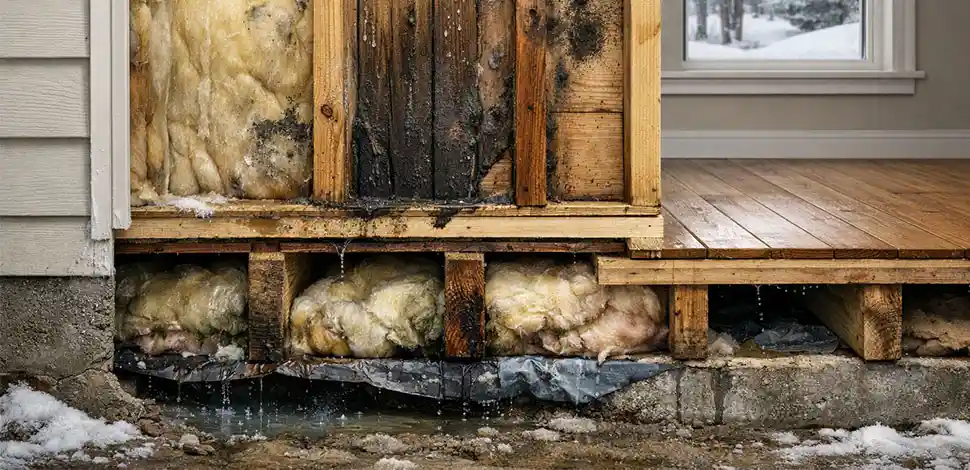
Structural damage after water intrusion is the weakening of load-bearing materials due to moisture trapped within subfloors, framing, and wall assemblies.
This damage develops beneath the surface. Even after drying, materials can retain internal moisture, leading to gradual loss of strength, compression, and instability.
At this stage, a reconstruction contractor determines whether structural elements can be reinforced or require full replacement.
Why Structural Damage After Water Intrusion Happens
Water does not dry evenly.
It moves through seams, joints, and layered materials, often settling in hidden structural zones. In Maine and New Hampshire, several local factors increase this risk:
- Coastal humidity exposure
- Snowmelt and groundwater saturation
- Older New England basement structures
- Freeze-thaw cycles that trap moisture inside materials
These conditions allow moisture to remain inside structural systems long after surfaces appear dry, often requiring reconstruction rather than surface-level repair.
How Water Affects Structural Systems
Subfloor Systems
Subfloors absorb water rapidly. Once saturated, they swell, soften, and lose structural integrity. This leads to uneven flooring and weakened load distribution.
Framing Components
Framing supports the entire structure. Moisture exposure can reduce strength and cause shifting, impacting structural stability and alignment.
Wall and Insulation Assemblies
Moisture trapped inside walls can persist for extended periods. Insulation can spread moisture across materials, accelerating hidden structural deterioration.
Signs of Structural Damage After Water Intrusion
Watch for:
- Soft or uneven flooring
- Doors and windows no longer align
- Persistent indoor humidity
- Recurring stains after drying
- Slight sagging or flex in floors
These are not cosmetic issues. These signs often indicate structural deterioration within load-bearing systems.
📞 If you notice these signs, call (207) 310-4163 before the damage progresses further.
What Happens If Structural Damage Is Ignored
Ignoring structural damage does not stop the process.
Moisture trapped inside materials continues to degrade them. Subfloors weaken further, framing may shift, and structural integrity declines over time.
What starts as a localized issue can expand into a full reconstruction project involving multiple structural systems.
Delays also increase financial and insurance risk. If damage is not documented early, it may be classified as long-term deterioration rather than a sudden loss, complicating claim approval and scope definition.
How Long Does Structural Damage Take to Develop
Structural damage can begin immediately but often develops gradually:
- First few days: Materials absorb moisture
- The following weeks: Expansion and weakening begin
- Months later: Visible structural symptoms appear
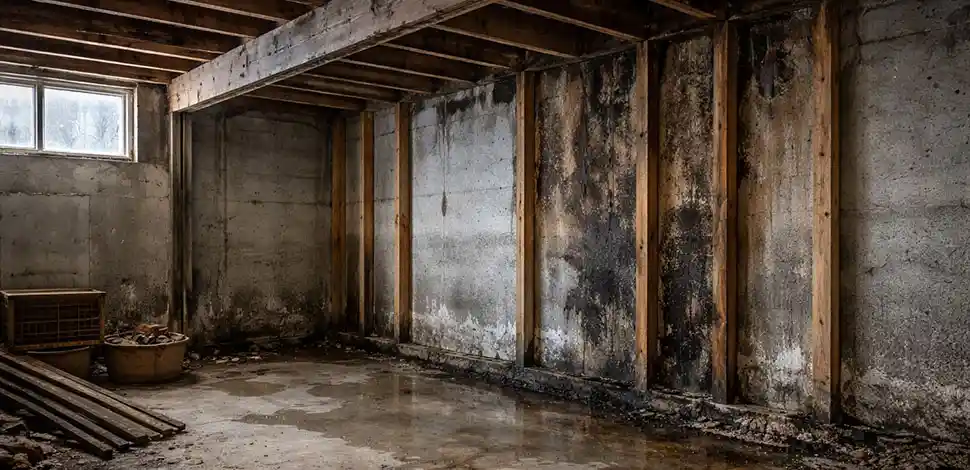
This delayed progression is why many homes require reconstruction even when they appear dry.
When Reconstruction Is Required
Reconstruction becomes necessary when:
- Structural materials lose load-bearing strength
- Subfloors remain soft or unstable
- Framing components are compromised
- Moisture affects multiple structural layers
At this stage, surface repairs are no longer effective. A reconstruction contractor defines the scope of removal, replacement, and rebuilding in alignment with structural requirements and building codes.
What to Do Next
- Do not ignore early signs
- Avoid surface-level fixes
- Schedule a structural evaluation
- Define the reconstruction scope early
- Coordinate properly with insurance
For full reconstruction planning, review our structural reconstruction services in Maine and New Hampshire.
Cost Impact of Delayed Structural Repair
Delaying repair significantly increases cost.
Early-stage issues may require limited structural repair. If ignored, deterioration spreads across multiple systems, leading to full reconstruction, increased labor, and longer project timelines.
Insurance claims may also become more complex when damage progression is not documented early.
Common Mistakes to Avoid
Avoid:
- Assuming drying resolves structural issues
- Ignoring hidden structural components
- Delaying professional evaluation
- Repairing only visible damage
- Failing to align reconstruction with the insurance scope
These mistakes often lead to expanded reconstruction scope and higher total costs.
When to Call a Reconstruction Professional
You should contact a reconstruction professional when:
- Structural components may be affected
- Flooring feels unstable
- Doors or windows no longer align
- Moisture may still be present internally
For industry guidance on moisture-related building damage, review the United States Environmental Protection Agency resource on indoor moisture and building durability.
Professional Evaluation and Standards
Structural evaluation follows recognized construction and rebuilding standards.
Octagon Construction and Energy works alongside insurance adjusters to ensure the reconstruction scope is properly defined, documented, and aligned with current building requirements.
This ensures structural repairs are completed correctly and support long term stability.
Conclusion
Structural damage after water intrusion often develops below the surface.
Even when a property appears dry, internal structural systems may still be compromised. Left unaddressed, this damage expands, increasing reconstruction scope, cost, and long-term risk.
A professional reconstruction evaluation ensures structural issues are identified early, the correct scope is defined, and rebuilding is completed properly.
FAQ
- What is structural damage after water intrusion?
It is the weakening of structural materials due to trapped moisture within building systems. - What are the early signs?
Uneven floors, misaligned doors, humidity, and recurring stains. - Can drying fix structural damage?
No. Drying removes moisture but does not restore structural strength. - How long does damage take to appear?
It can begin immediately but may take weeks or months to become visible.
5. Is it covered by insurance?
Often yes, if properly documented and aligned with the reconstruction scope.