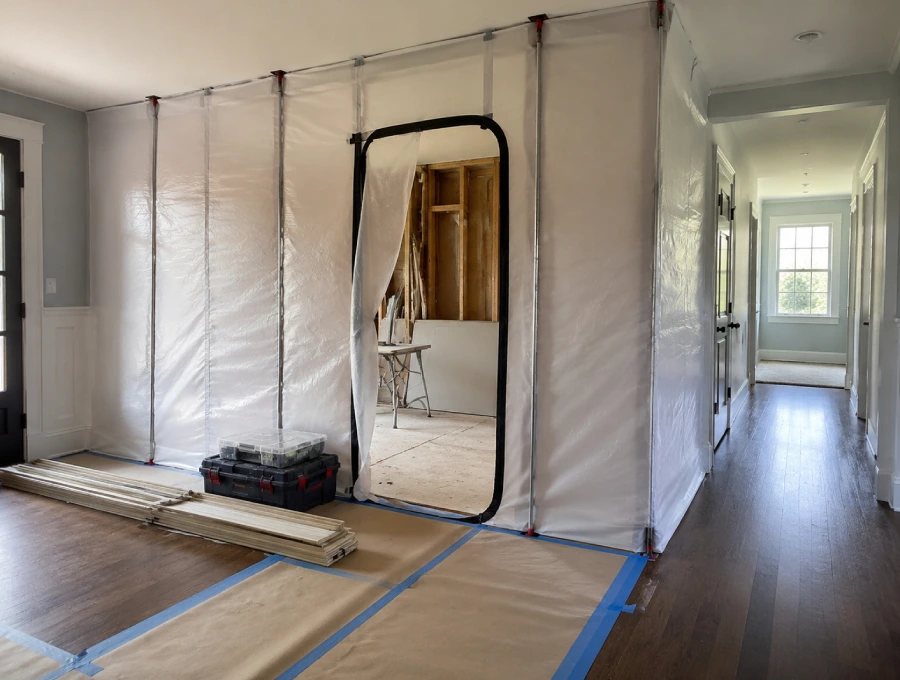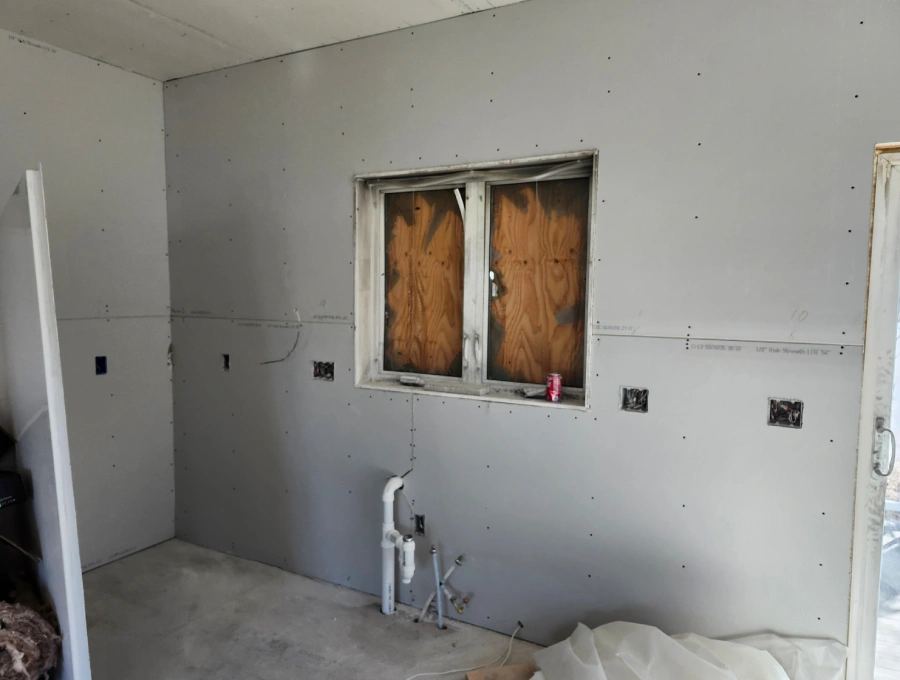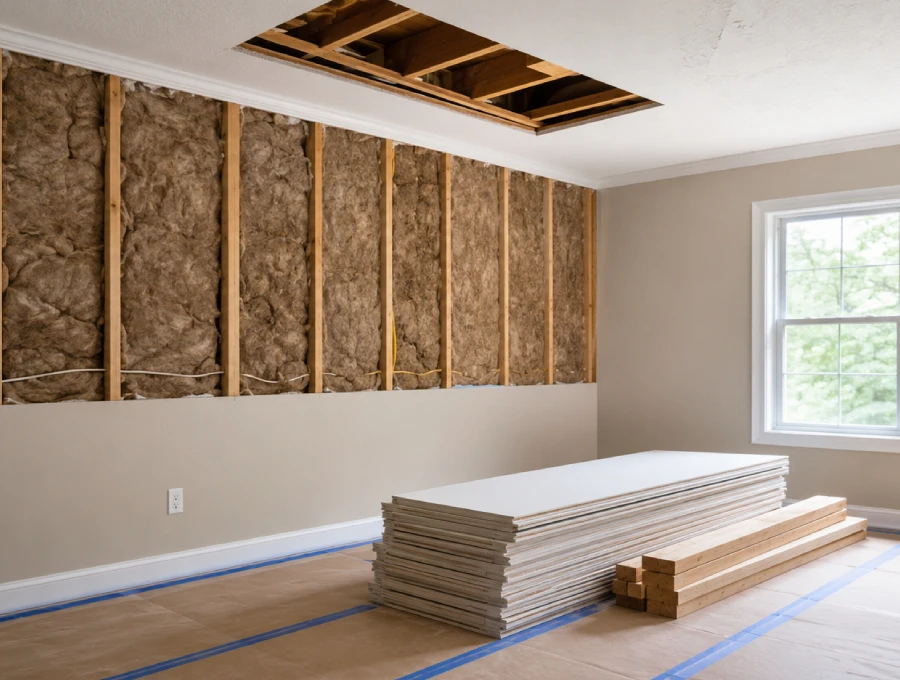
A flooded basement can leave part of a home exposed, incomplete, and unavailable for normal use. After water removal, cleanup, drying, and stabilization are complete, damaged or removed building components may still need to be rebuilt.
This guide explains basement renovation after flooding as a post-cleanup reconstruction process. It does not describe emergency water removal, drying, mold treatment, engineering approval, or insurance claim negotiation.
The appropriate reconstruction scope depends on the documented site conditions, affected materials, and work already completed during mitigation. Regional conditions such as spring thaw, heavy rain, and saturated soil should be considered without assuming that every flooded basement has structural damage.
Quick Answer
What is basement renovation after flooding?
Basement renovation after flooding is the process of rebuilding affected basement components after cleanup and mitigation are complete. Depending on the documented conditions, this may include walls, insulation, flooring, trim, subflooring, and interior finishes.
When may basement flooding require reconstruction?
Reconstruction may be needed when cleanup leaves damaged or removed drywall, insulation, flooring, framing, or other building components that must be rebuilt. The required scope depends on the documented site conditions.
From Flood Cleanup to Basement Reconstruction
Returning a flooded basement to normal use may involve two separate stages: cleanup and mitigation first, followed by reconstruction when the property is ready for rebuilding.
The work should move through the following sequence:
Cleanup, Mitigation, and Stabilization
- Water removal, drying, and stabilization are completed
- Damaged materials are removed by the appropriate provider
Reconstruction
- The basement is rebuilt
- Systems are put back in place
- The space becomes usable again
This sequence helps prevent new construction materials from being installed before unresolved moisture, environmental, or structural concerns have been addressed.
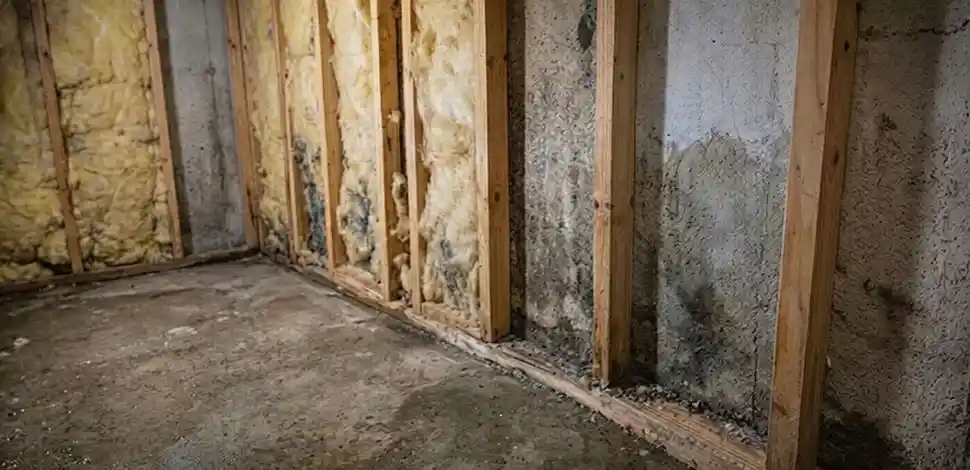
When the Property Is Ready for Reconstruction
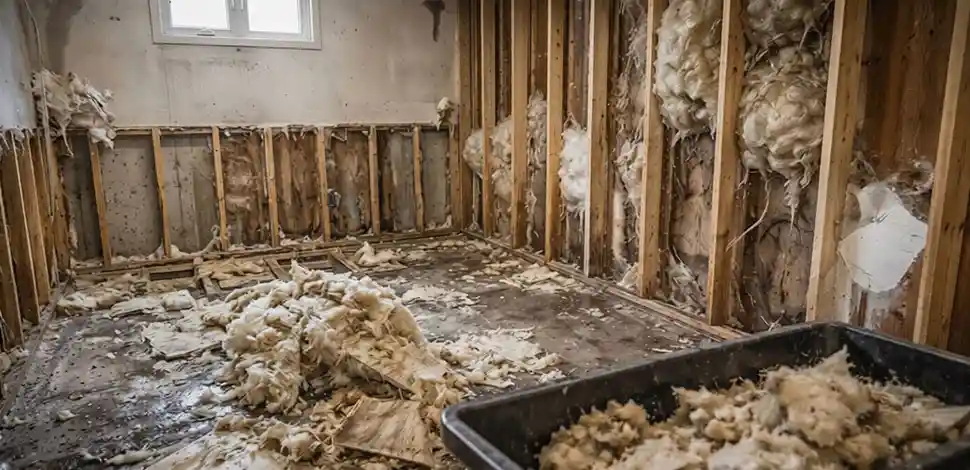
After cleanup, drying, and stabilization are complete, a basement may remain unfinished because damaged materials were removed or building components remain open.
At this stage, the process can move from cleanup into rebuilding. Once the property is ready, Octagon Construction & Energy’s water damage reconstruction services can help property owners review the remaining construction scope and discuss the next steps.
The reconstruction scope should focus on the documented components that require replacement so the affected area can return to use.
Depending on the documented conditions, the project may involve:
- Water damage reconstruction
- Structural reconstruction
- Insurance reconstruction
If cleanup, drying, or stabilization is incomplete, the relevant work must be completed before reconstruction begins.
What Basement Renovation After Flooding Means
Basement reconstruction begins after damaged materials have been removed and cleanup, drying, and stabilization are complete. A reconstruction contractor can then review visible construction conditions and the documented scope before rebuilding affected components.
Depending on the event and documented conditions, water exposure may affect:
- Wall cavities
- Insulation
- Structural framing
- Flooring systems, including subfloor damage from prolonged moisture exposure
Conditions behind finished surfaces may not be visible from the room. Unresolved concerns should be evaluated before new finishes are installed.
When Reconstruction May Be Needed After Flood Damage
Some basements need limited repairs, while others need a broader reconstruction scope.
Reconstruction may be worth discussing when:
- Drywall was removed or remains damaged
- Insulation was removed or requires replacement within the documented scope
- Flooring has been damaged or removed
- Visible construction components are affected
- Framing or subflooring remains exposed
- The basement cannot return to normal use without rebuilding
Persistent moisture, recurring staining, or musty odors may indicate that additional evaluation or mitigation is needed before reconstruction begins.
The reconstruction scope should be based on the components documented as damaged, removed, or incomplete.
Visible and Concealed Conditions After Basement Flooding
Some conditions are visible after cleanup, while others may be concealed behind finished surfaces.
Water can move into:
- Behind finished walls
- Beneath flooring systems
- Inside insulation cavities
- Around framing and support systems
- Along foundation edges
A finished surface may not show every condition behind a wall or beneath flooring. Unresolved moisture concerns should be evaluated before new materials are installed.
Saturated soil may create hydrostatic pressure around foundation walls or openings even after surface water is removed.
Capillary movement may also draw moisture into porous building materials after visible water has been removed.
Any unresolved moisture condition should be addressed by the appropriate provider before reconstruction begins. For a broader explanation of construction concerns after water exposure, see structural damage after water intrusion.
How Spring Flooding Affects Basement Materials
Flooding does not affect every part of a basement the same way. It helps to separate what shows up right away from what stays hidden.
What tends to show up right away:
- Wet drywall
- Stained trim
- Damaged flooring
- Musty odors
What tends to stay hidden:
- Moisture behind walls
- Damp pockets inside framing
- Trapped water beneath flooring
- Movement near foundation cracks or openings
Hydrostatic pressure and capillary movement are two reasons concealed conditions may differ from what is visible at the surface. Both visible and concealed concerns should be considered before the repair or reconstruction scope is finalized.
A Practical Reconstruction Sequence
Reconstruction should begin only after the property is ready for rebuilding. Following the correct sequence helps protect the durability of the new construction work.
Before and During Reconstruction
- Cleanup, drying, and stabilization are complete
- Damaged materials requiring mitigation have been removed
- Relevant moisture, environmental, or structural concerns have been addressed by the appropriate provider
- The property is ready to move into the rebuild stage
- Review visible construction conditions and the documented scope
- Rebuild affected walls, insulation, flooring, trim, and finishes within the agreed scope
The exact sequence and scope depend on the components documented as damaged, removed, exposed, or incomplete.
For broader rebuilding needs, property owners can review Octagon Construction & Energy’s reconstruction services.
Signs More Than Cosmetic Repair May Be Needed
A few warning signs can point to something beyond a surface-level fix:
- New or widening cracks
- Uneven or sloping floors
- Slight bowing or movement in wall surfaces
- Recurring staining
- Persistent damp or musty odors
- Materials that remain damaged after cleanup
- Exposed construction components
These conditions should be evaluated and do not automatically prove structural failure. They are a signal to have the basement reviewed before deciding how far the repair needs to go.
Why the Order Matters
Installing new materials before unresolved moisture or construction concerns are addressed can affect the durability of the rebuilt area.
Potential issues may include:
- Reduced durability of new materials
- Hidden deterioration
- Recurring damage
Surface appearance alone does not confirm that every concealed area is ready for reconstruction.
Can Basement Flooding Affect Structural Components Over Time?
Prolonged moisture exposure may affect framing, insulation, or support components. The appropriate response depends on the documented conditions and may require evaluation by the appropriate licensed professional before reconstruction is planned.
When to Discuss Reconstruction After Cleanup
It is worth talking to a reconstruction contractor when:
- Drywall, insulation, or flooring was removed or remains affected
- Framing or other construction components are exposed
- The basement remains incomplete
- The basement cannot be used normally
- The documented or approved scope includes rebuilding affected components
- Cleanup, drying, and stabilization are complete
Better Material Choices for a Flood-Damaged Basement
Reconstruction may also provide an opportunity to discuss materials that are appropriate for a below-grade area.
Common upgrades include:
- Moisture-resistant wall systems
- Improved insulation for below-grade areas
- Durable lower wall assemblies
- Water-resistant flooring
- Construction details that support future access or maintenance
How to Reduce the Risk of Future Flooding
- Clean gutters regularly
- Extend downspouts away from the foundation
- Ensure proper grading
- Test sump pumps
- Seal visible cracks
- Maintain drainage systems
These maintenance steps may reduce future risk, but they do not replace required cleanup, evaluation, or reconstruction after damage.
Maine and New Hampshire Basements Require a Local Approach
Basements in this region face:
- Snowmelt pressure
- Wet spring soil conditions
- Freeze thaw movement
- Older foundation systems
These regional conditions should be considered when visible construction conditions and the reconstruction scope are reviewed.
Basement Renovation After Flooding: Key Points
- Flood cleanup does not finish a basement on its own
- Reconstruction may be needed before finish work begins
- Concealed conditions may require evaluation before rebuilding
- Proper sequencing supports durable reconstruction
- The correct sequencing may reduce repeated construction work
Flood cleanup does not automatically return a basement to normal use. When materials were removed or construction components remain incomplete, the reconstruction stage focuses on rebuilding the documented areas before finish work is completed.
Discuss Your Reconstruction Project
If your basement has been cleaned out but remains exposed, unfinished, or incomplete, Octagon Construction & Energy can review visible construction conditions and the remaining reconstruction scope after the property is ready for rebuilding. The company does not provide emergency water extraction, drying, engineering approval, code approval, public-adjusting services, or insurance claim negotiation.
Discuss Your Reconstruction Project
Phone: (207) 310-4163
Frequently Asked Questions
When may basement reconstruction be needed after flooding?
Reconstruction may be needed once cleanup is complete and drywall, insulation, flooring, or structural components remain damaged or missing, leaving the basement incomplete.
Do all flooded basements require rebuilding?
No. Some basements only need limited repair. Rebuilding may be needed when materials were removed or construction components were affected.
What materials commonly need replacement after a flood?
Depending on the documented conditions, replacement materials may include drywall, insulation, flooring, lower wall systems, trim, and other affected interior components.
When can reconstruction begin after a flood?
Reconstruction generally begins once cleanup, drying, and stabilization are complete, and the documented conditions in the basement are understood.
How do concealed conditions affect the reconstruction scope?
Conditions behind walls, beneath flooring, or around framing can affect the reconstruction scope beyond what is visible at first. Unresolved moisture or structural concerns should be evaluated before finishing work begins.