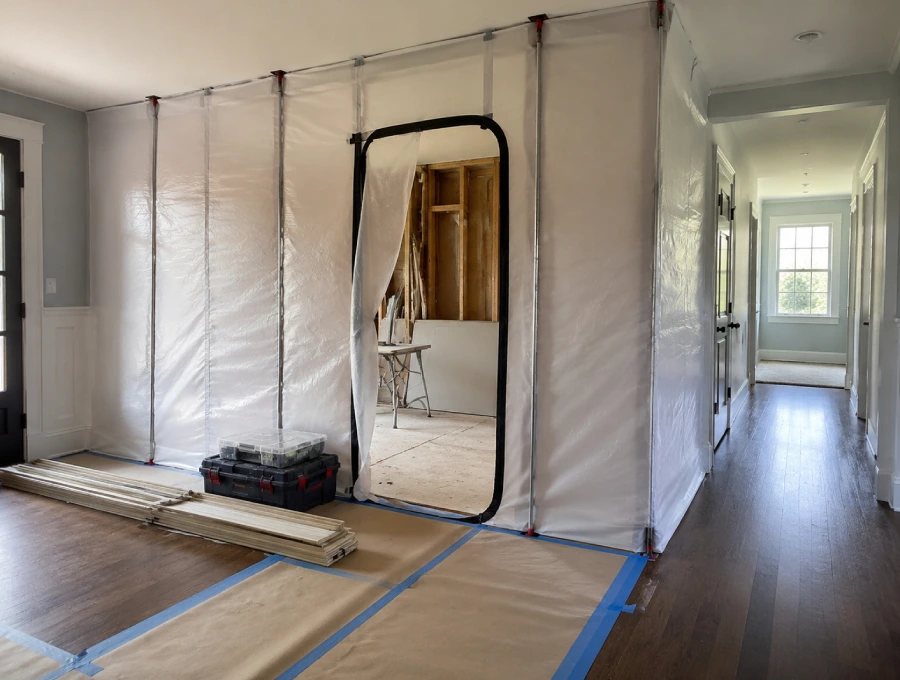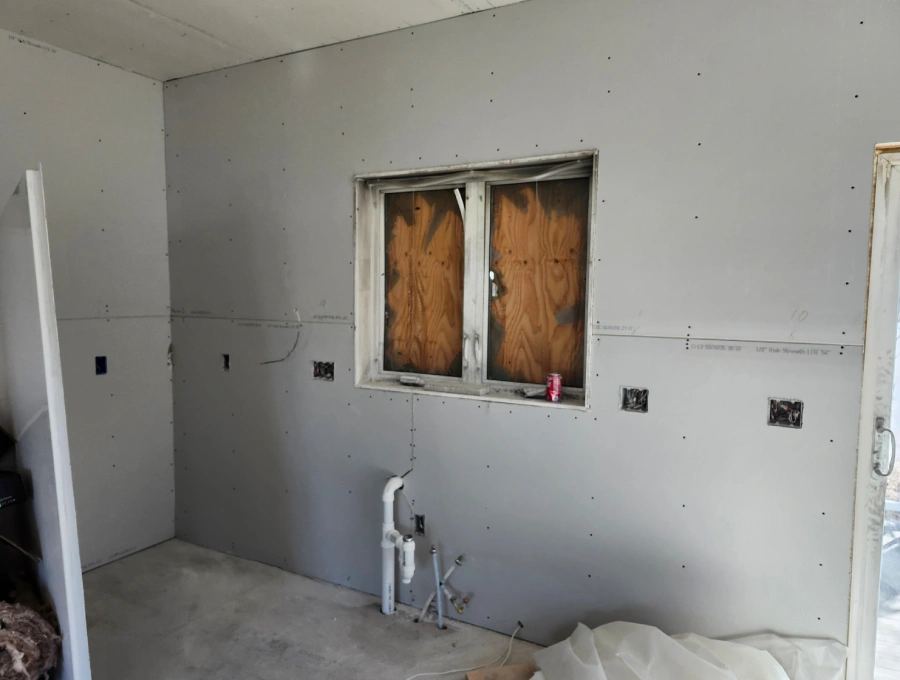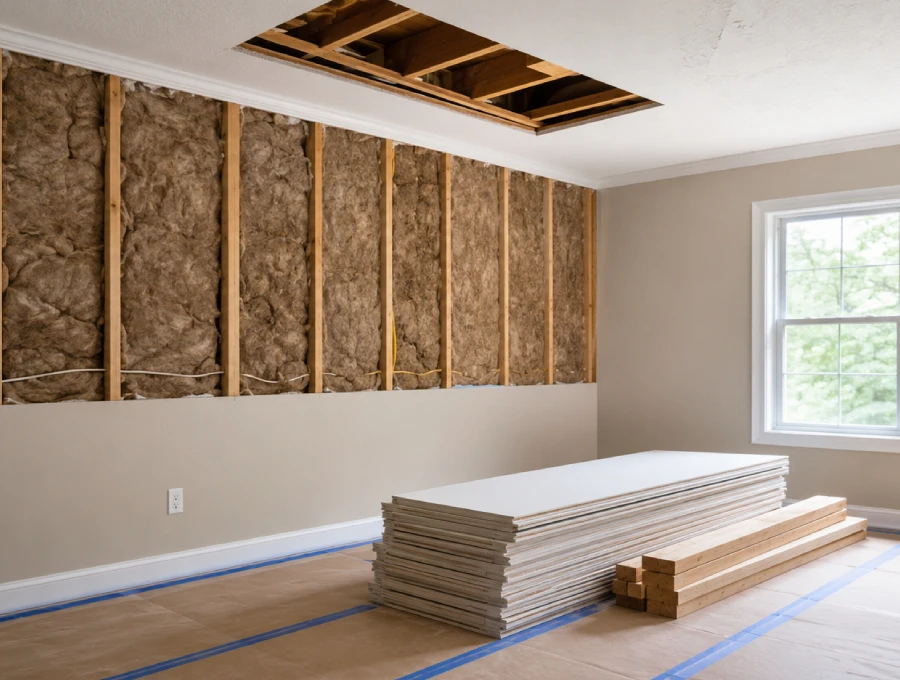
After water intrusion, impact damage, fire-related damage or movement in surrounding building components, windows and doors may no longer seal, operate or support the surrounding opening as intended.
Reconstruction may include window or door replacement when frames, openings, adjoining walls, insulation or structural components have been affected. The decision should be based on documented conditions and the approved reconstruction scope rather than appearance alone.
Replacement decisions depend on the condition of the frame, opening, surrounding materials, structural components, and the approved reconstruction scope.
This guide focuses specifically on window and door replacement as part of reconstruction after damage, not general upgrades or cosmetic remodeling.
Quick Answer
When should windows and doors be replaced after damage?
Windows and doors may require replacement when moisture, warping, seal failure, or damage to surrounding components affects their performance after water or environmental exposure.
Do window and door replacements improve home performance?
Updated systems may improve insulation, reduce air leakage, and help protect the home from moisture-related concerns when selected based on project conditions.

What Causes Window and Door Failure After Damage
Damage does not always appear immediately. In many cases, failure develops over time due to:
- Water intrusion and moisture buildup
- Freeze thaw expansion and contraction
- Structural shifting or movement
- Seal failure and material breakdown
These conditions may affect frames, insulation performance, and air leakage.
Why Replacement May Be Needed After Damage
After mitigation or cleanup is complete and the affected area is ready for rebuilding, windows, doors and surrounding openings may be found to require additional reconstruction work.
Repair may be appropriate for some conditions, but replacement may be needed when:
- Frames are warped or weakened
- Seals have failed beyond repair
- Moisture has affected surrounding structural components
- Glass units no longer perform as intended
This differs from standard replacement projects because the work is driven by damage, not planned upgrades.
At this stage, replacement is part of reconstruction rather than a cosmetic improvement.

The Role of Windows and Doors in Structural Performance
Windows and doors are important components of the building envelope.
When affected, the home may experience:
- Increased heat loss
- Air leakage
- Moisture intrusion
- Reduced energy efficiency
Issues related to building envelope conditions may require structural reconstruction to address affected areas.
Replacement systems may improve sealing, insulation performance, and durability depending on the approved scope and project requirements.
Material Selection for Replacement Systems
Modern window and door systems may be selected to:
- Reduce air infiltration
- Improve thermal insulation
- Resist moisture exposure
- Support long-term durability
Material selection depends on factors such as location, moisture exposure, structural requirements, applicable project requirements, and budget. For a broader explanation of how these factors influence rebuilding decisions, see reconstruction materials used during post-damage reconstruction.
Energy Efficiency After Replacement
One potential benefit of replacement is improved energy performance.
Updated systems may help:
- Reduce heating loss
- Stabilize indoor temperatures
- Improve comfort across rooms
- Reduce air leakage
Performance improvements depend on the selected systems and reconstruction scope.
Moisture Control and Structural Protection
Moisture is an important factor affecting building materials and surrounding openings in Maine and New Hampshire.
Damaged windows and doors may allow moisture to:
- Enter wall cavities
- Affect insulation
- Impact framing
- Accelerate material deterioration
Ignoring damaged windows and doors after water exposure may contribute to continued moisture concerns and expanded damage.
Continued moisture intrusion through failed windows and doors may affect surrounding walls and framing systems.
In some homes, minor seal issues may develop into larger reconstruction needs if affected conditions are not addressed.
Modern systems may include improved sealing and moisture-resistant materials that support the reconstruction goals.
When Replacement Is Part of Reconstruction
Window and door replacement may be included during broader reconstruction projects.
This may occur when:
- Water damage affects surrounding structures
- Walls are opened during rebuilding
- Structural components are repaired
- Existing systems no longer meet project requirements
Replacement should be aligned with the overall reconstruction process and approved scope.
Can Damage Around Windows and Doors Affect Surrounding Components?
Yes. Moisture intrusion, movement and damaged openings may affect surrounding framing, insulation and wall materials. The required work depends on the documented conditions and reconstruction scope.
Common Mistakes Homeowners Make
- Delaying replacement after visible damage
- Attempting repairs on severely compromised frames
- Choosing materials without considering local conditions
- Ignoring hidden moisture concerns
- Treating replacement as cosmetic instead of part of reconstruction
When to Consider Replacement
Replacement may be considered if:
- Visible frame, seal or opening damage is present
- Drafts, air leakage or temperature changes occur around a visibly damaged opening
- Frames show signs of damage or warping
- Moisture or condensation appears regularly
- The home has experienced water or structural damage
When Window and Door Replacement May Be Included in Reconstruction
Replacement may be needed in:
- Homes affected by water damage
- Structural reconstruction projects
- Areas exposed to repeated moisture and temperature changes
How Octagon Approaches Window and Door Reconstruction
When windows, doors or surrounding openings are included in a damage-related reconstruction scope, Octagon Construction & Energy reviews the affected construction components and completes the approved rebuilding work as part of its broader reconstruction services.
The process includes:
- Review of affected components
- Identification of damaged areas
- Removal and replacement of affected construction components within the approved scope
- Installation based on project requirements
Each project is designed around documented conditions and the approved reconstruction scope.
Discuss Your Reconstruction Project
If your windows, doors, frames, or surrounding openings have been affected by water or structural damage, discuss the reconstruction needs with Octagon Construction & Energy.
FAQ
When may windows and doors need replacement after property damage?
Windows and doors may need replacement when frames, seals, openings or surrounding materials are damaged and limited repair would not address the documented conditions.
Can damaged windows be repaired instead of replaced?
Minor issues may be repairable. Replacement may be needed when damage affects the frame, opening, surrounding materials or system performance.
Can replacement improve energy performance?
It may improve sealing, insulation and comfort when the selected system is appropriate for the project conditions and reconstruction scope.
Is window or door replacement part of reconstruction?
It may be included when windows, doors, frames or surrounding components are part of the approved reconstruction scope.
What signs may indicate window or door damage?
Possible signs include drafts, recurring condensation, visible deterioration, warping, difficult operation or moisture around the surrounding opening.