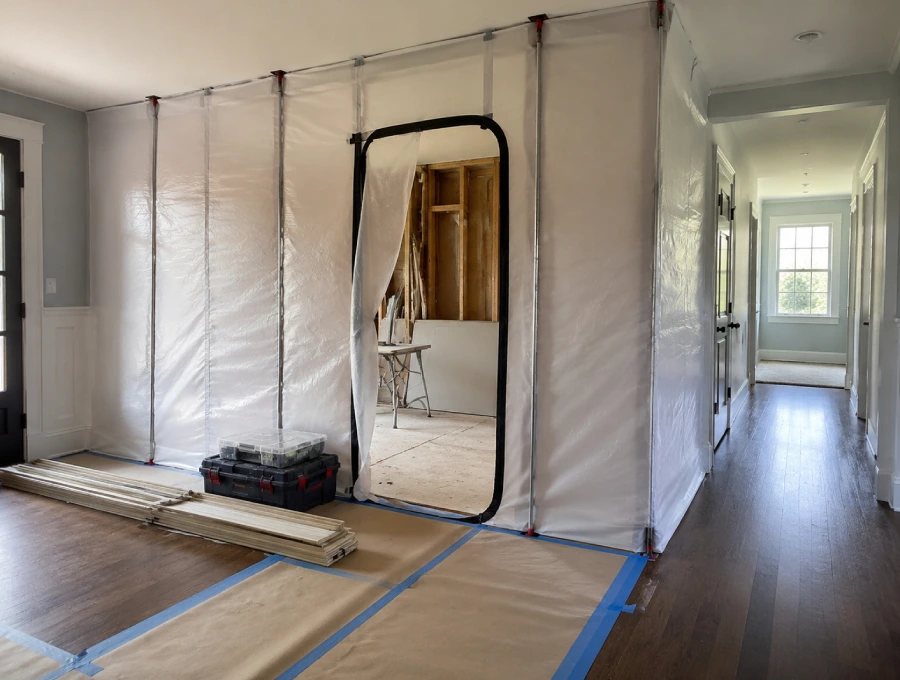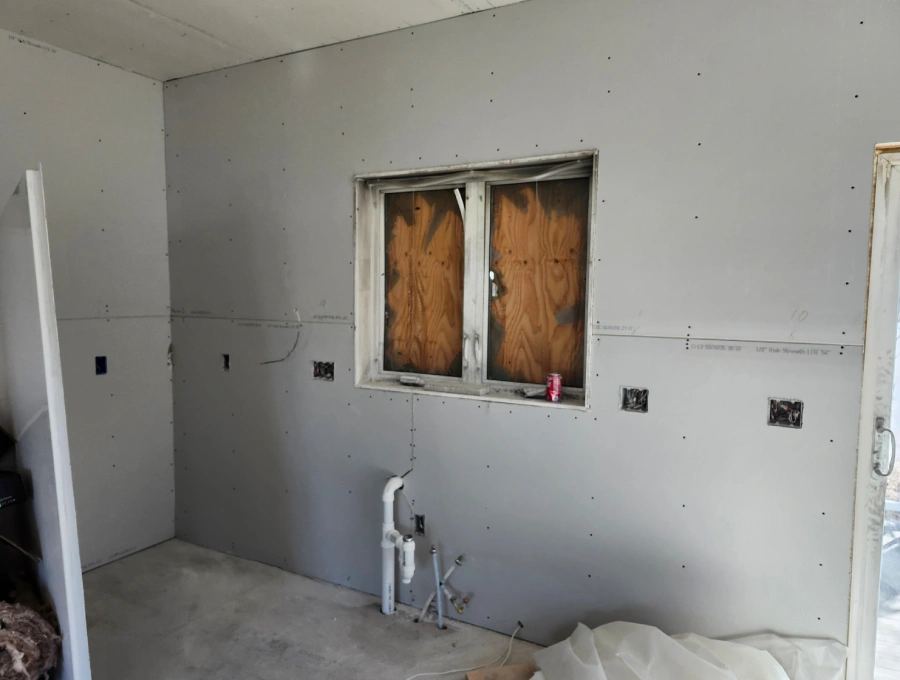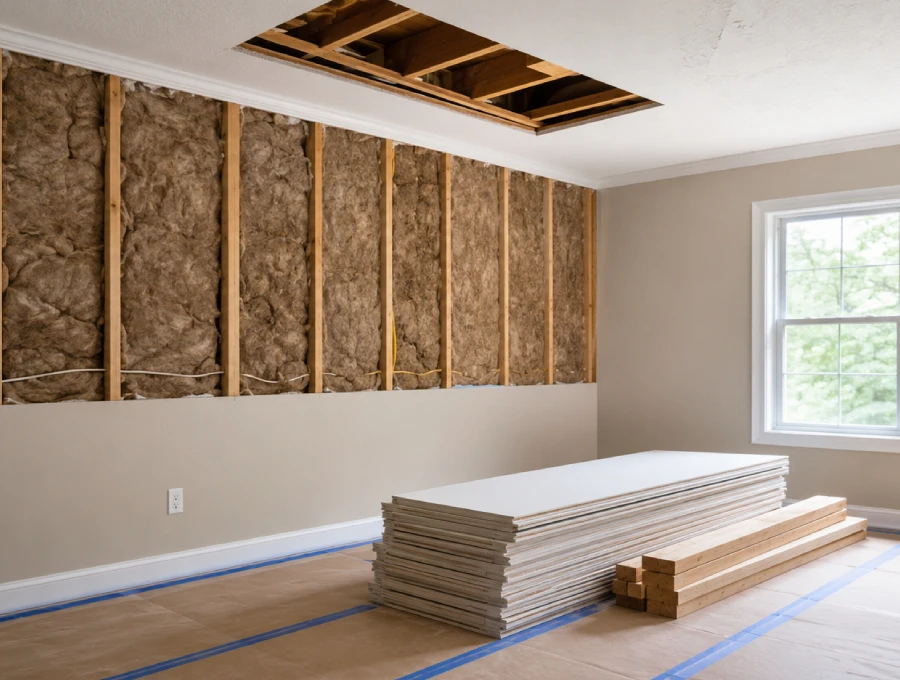
Structural damage may develop gradually through repeated exposure to moisture and temperature changes.
In Maine and New Hampshire, winter conditions may contribute to hidden damage. Snow buildup, freeze thaw cycles, and moisture intrusion may affect materials over time, often without visible warning.
Octagon Construction & Energy begins reconstruction after required cleanup, drying or stabilization has been completed by the appropriate providers and the affected areas are ready for rebuilding.
In some cases, this hidden damage is discovered when a homeowner begins a remodeling project. In others, it becomes visible through drafts, moisture stains, or structural changes. Either way, the condition may extend beyond surface-level issues and may require reconstruction based on the affected materials, visible conditions, and project scope.
This guide focuses specifically on winter-related structural damage in Maine and New Hampshire, including ice dams, burst pipes, snowmelt, and hidden moisture, and when reconstruction may be needed.
Quick Answer
What causes winter damage in homes in Maine and New Hampshire?
Winter damage may result from freeze thaw cycles, moisture intrusion, snowmelt, and temperature fluctuations that may affect building materials over time.
When may winter damage require reconstruction?
Winter damage may require reconstruction when hidden moisture or affected building components must be rebuilt before planned improvements can proceed.
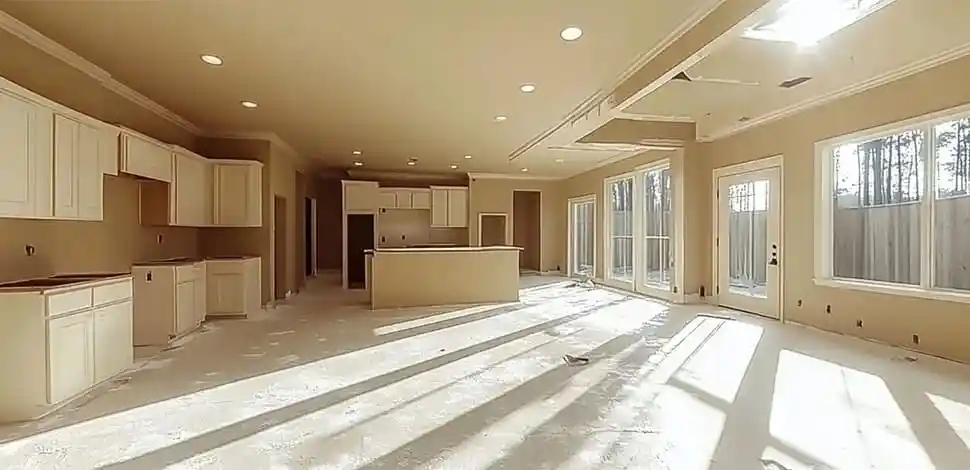
The Winter Mistake Most Homeowners Make
Most homeowners wait until they see a visible issue.
By that time, the damage may already have been developing beneath the surface.
Water enters small gaps. It freezes, expands, and moves deeper into materials. When it melts, it may move further into connected building systems. This cycle can repeat throughout winter and contribute to material damage.
What appears to be limited work may become more complex once these hidden conditions are revealed.
Why Winter Damage May Remain Hidden
The pattern is consistent:
- Everything looks fine
- Construction begins
- Hidden damage is discovered
When walls, floors or ceilings are opened during planned work in Maine and New Hampshire, common findings may include:
- Damp insulation inside exterior walls
- Warped or weakened subfloors
- Staining around framing systems
- Soft drywall near roof edges
- Unsealed air pathways
In many cases, these issues may relate to winter damage.
These issues may be connected to seasonal winter conditions, existing construction details, or previous moisture exposure.
This can result from how winter conditions affect building materials over time.
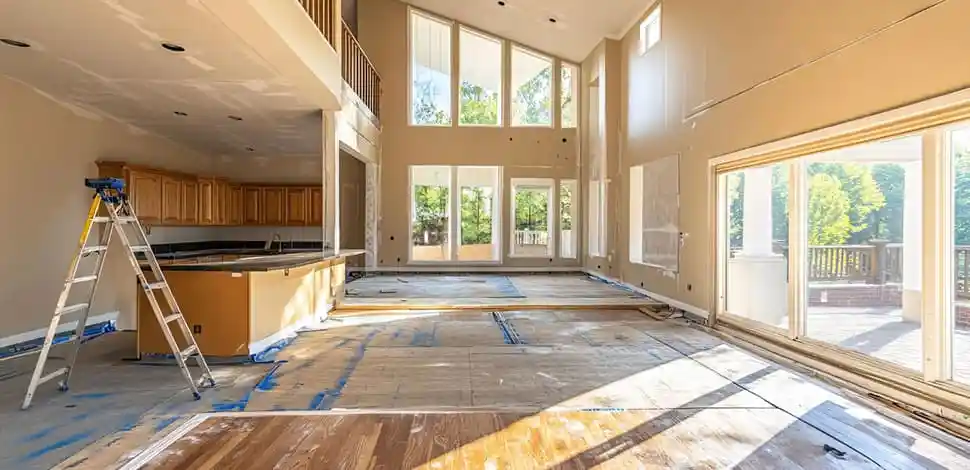
When Winter Damage May Require Reconstruction
Property owners may initially expect surface-level repairs or upgrades.
But once construction begins, hidden winter damage may change the scope.
At this stage:
- Materials may need to be removed
- Structural areas may require repair or rebuilding
- Moisture issues should be addressed by the appropriate providers
Ignoring these conditions during construction may contribute to project delays, unexpected costs, and incomplete work.
This is the point where the project may require reconstruction rather than limited repairs.
If affected building components are discovered during planned work, continuing without addressing the required rebuilding scope may lead to additional work, delays, and increased project complexity.
When structural rebuilding is included in the project scope, it should be handled as part of a full reconstruction process.
Identifying affected structural conditions is important before deciding whether limited repair or structural reconstruction may be appropriate.
Snowmelt and Moisture Movement
Snowfall is visible. Snowmelt is not.
During the day, snow melts and moves into small openings. At night, it may refreeze inside materials. Over time, this movement may create hidden moisture pathways and affect connected building systems.
This type of moisture intrusion may affect deeper building components and may need to be addressed before finishing work begins.
Common areas affected include:
- Roof edges and eaves
- Exterior wall cavities
- Attic insulation and framing
- Ceiling transition zones
Ice dam formation at roof edges may contribute to hidden moisture intrusion inside wall systems.
Burst Pipes and Interior Reconstruction
Frozen or burst pipes may affect walls, insulation, flooring, subflooring and adjoining rooms. After the water source has been addressed and required drying or stabilization is complete, reconstruction may involve rebuilding the affected interior components based on documented conditions and project scope.
Homeowners dealing with pipe-related damage can review water damage reconstruction for more detail on the rebuilding process.
Insulation and Air Leakage Problems
Winter damage is not only about water. It is also about air movement.
Poor insulation and air leakage allow warm air to escape. When that air meets cold surfaces, condensation may form inside walls and ceilings.
Thermal bridging may contribute to condensation and moisture buildup inside building systems.
Over time, this moisture may affect materials and building performance.
Heating Drops and Structural Stress
Heating systems help protect building materials.
When indoor temperatures drop, materials may contract and become more vulnerable to stress. Plumbing systems may also become exposed to freezing risks, especially in basements, crawlspaces, and exterior walls.
These issues may surface when building systems are opened.
Energy Loss and Hidden Moisture Paths
Energy loss changes how moisture behaves inside the home.
Air leaks around windows, doors, and structural penetrations allow cold air to interact with interior surfaces. This may increase condensation and support long-term moisture buildup.
This is why planned work may uncover deeper construction concerns that were not previously visible.
Signs That Winter Damage May Be Present
- Drafts or uneven indoor temperatures
- Rising energy costs
- Moisture stains or recurring marks
- Soft or uneven flooring
- Misaligned doors or windows
These signs may indicate that visible construction conditions should be reviewed before work can proceed.
How This Damage Expands in Real Homes
In homes across Maine and New Hampshire, winter damage may begin as a localized issue and affect multiple connected systems.
What starts as minor moisture exposure may contribute to:
- Changes in subfloors and framing
- Damage extending into walls and insulation
- Increased reconstruction scope
In some cases, winter-related damage may result in a larger reconstruction project depending on the affected materials and conditions.
Early review may help clarify damage scope and project requirements.
Common Mistakes Homeowners Make
- Starting planned work without reviewing visible construction conditions
- Ignoring moisture-related warning signs
- Treating issues as cosmetic instead of structural
- Delaying necessary review or specialized guidance
- Using materials not suited for winter conditions
When to Call a Reconstruction Professional
A reconstruction contractor may be appropriate when:
- Work is planned after winter-related damage
- Signs of water intrusion or affected building materials appear
- The home has experienced seasonal moisture exposure
- You want to understand the potential reconstruction scope
How Octagon Approaches Winter-Damage Reconstruction
For winter-damage projects, Octagon Construction & Energy focuses on rebuilding affected areas after cleanup or stabilization is complete as part of its broader reconstruction services.
The approach includes:
- Review of visible construction conditions before rebuilding begins
- Review of documented winter-related damage and visible construction conditions
- Reconstruction planning and execution
This helps define the reconstruction scope based on visible conditions and project requirements.
Key Points for Homeowners
- Winter damage may develop gradually and remain hidden
- Opening walls, floors or ceilings may reveal deeper construction issues
- Reconstruction may be needed before upgrades
- Moisture and freeze thaw cycles may affect building materials
- Early review may help clarify scope and requirements
Discuss Your Reconstruction Project
If you have uncovered hidden winter damage or are planning work in an affected area, discuss the remaining reconstruction scope with Octagon Construction & Energy.
FAQ
Why may winter damage become visible during planned work?
Hidden moisture and affected building materials may become visible once walls, floors or ceilings are opened.
What is the biggest winter mistake homeowners make?
Waiting too long to review visible construction conditions before work begins.
Can insulation upgrades fix winter issues?
Insulation upgrades may improve performance, but they do not automatically correct damaged framing, subfloors, drywall, flooring, or other affected materials.
Is snowmelt more damaging than snowfall?
Snowmelt may enter materials and affect concealed building systems. The extent of damage depends on the affected materials and conditions.
When should winter-damage reconstruction begin?
Reconstruction may begin after the source of damage has been addressed, required cleanup or stabilization is complete, and the affected areas are ready for rebuilding.