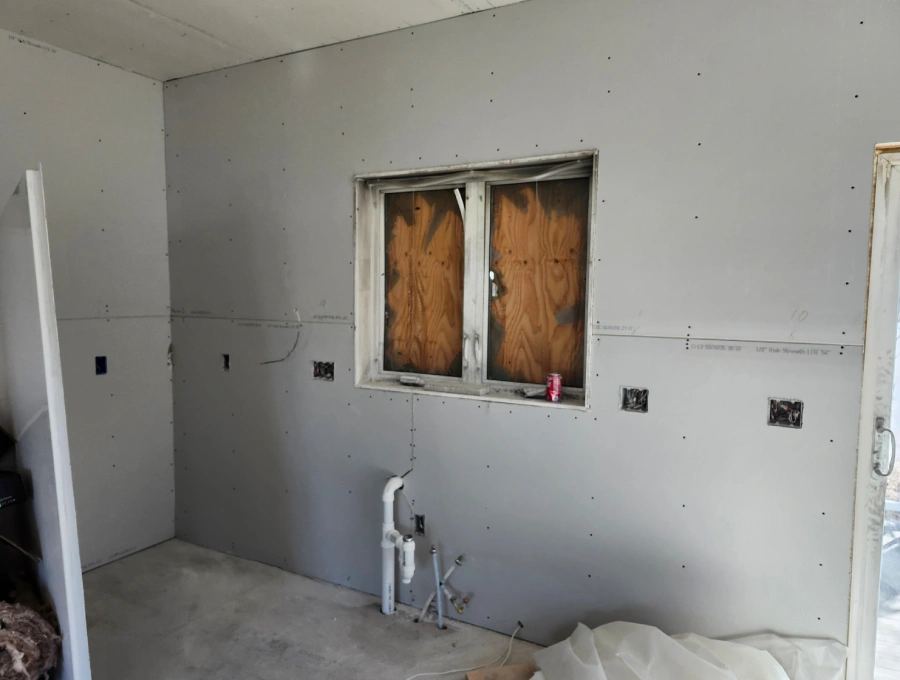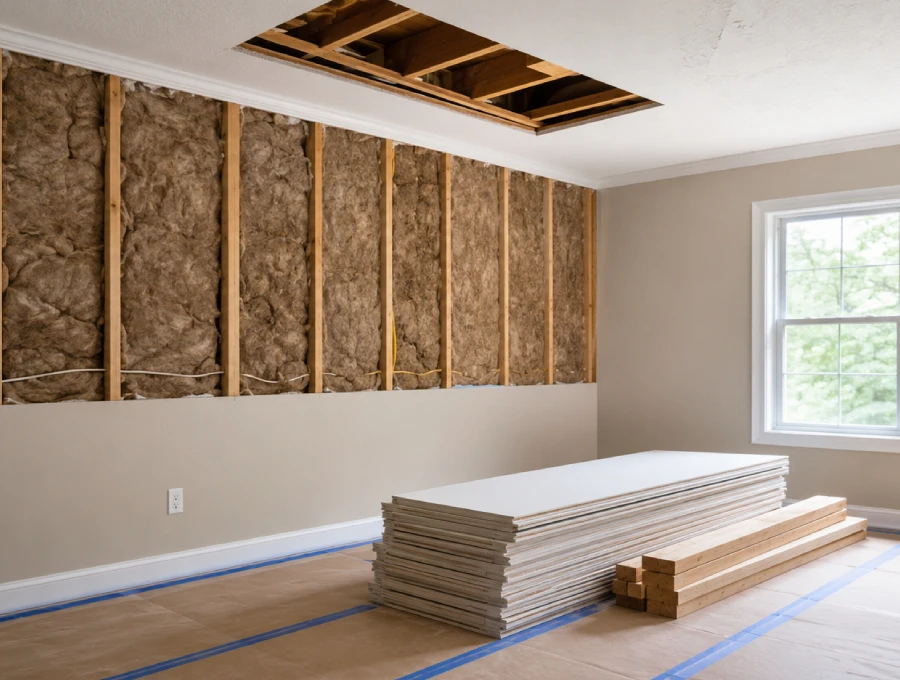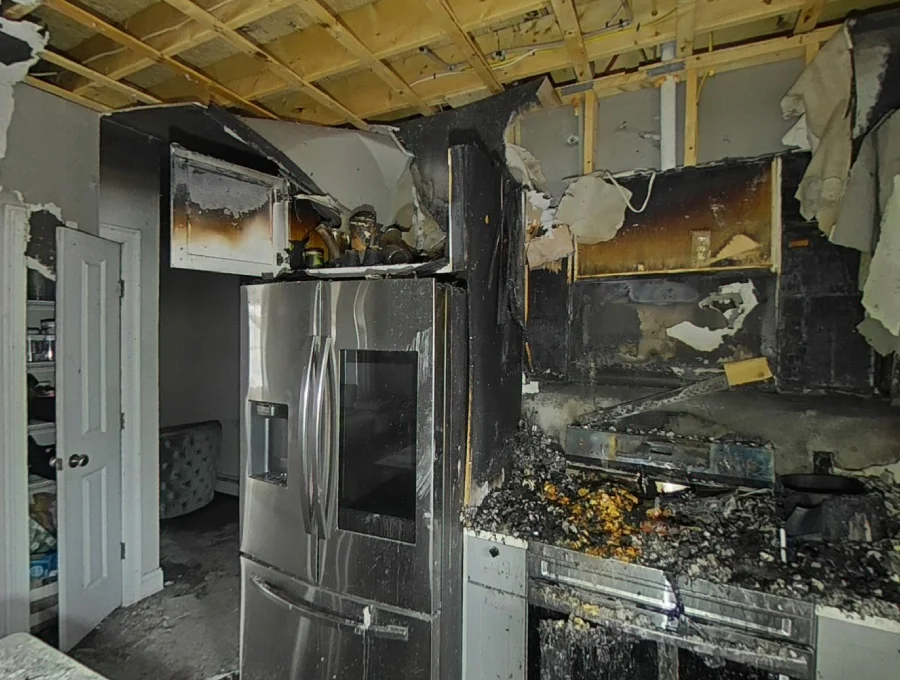
Can you live in your home during reconstruction? In some projects, partial occupancy may be possible, while others can affect utilities, structural components, entrances, kitchens, bathrooms, or several rooms at once. The answer depends on the actual project conditions and how the work area can be managed.
The access plan should be discussed before construction begins and reviewed again if the scope or site conditions change.
This guide explains the factors that may affect home access and temporary relocation during reconstruction. For a broader overview of the rebuilding process, visit the reconstruction hub.
Quick Answer
Whether someone can remain in a home during reconstruction depends on the construction scope, structural conditions, utility access, work-zone separation, available entrances and exits, and whether essential rooms remain usable. Some limited projects may allow partial occupancy, while larger or more disruptive projects may require temporary relocation. The decision should reflect the actual project conditions, guidance from the appropriate professionals, and applicable local requirements.
What Determines Whether a Home Can Remain Occupied?
Several project and household conditions may affect whether part of a home remains accessible during reconstruction.
Structural Conditions
Open framing, removed flooring or subflooring, exposed building components, and restricted work areas may limit access to parts of the home. These conditions may also change as construction progresses.
Octagon Construction & Energy does not independently make structural-safety or legal-occupancy determinations. Depending on the project, the condition may need to be reviewed by building officials, licensed engineers, other qualified professionals, and the project team.
Where framing, subfloor systems, or other load-related building components require rebuilding, structural reconstruction may become part of the documented construction scope.
Electrical, Plumbing, and Heating Access
Reconstruction may require planned interruptions to electricity, water, plumbing, or heating. Certain areas may be without one or more utilities while systems are exposed, inspected, repaired, or reconnected.
These shutdown periods should be coordinated as part of the project schedule. Even temporary interruptions can affect cooking, bathing, laundry, heating, lighting, and other normal household activities.
Homeowners should not attempt to work around exposed systems or make temporary utility changes themselves.
Kitchen and Bathroom Availability
The loss of the only working kitchen or bathroom can make normal occupancy impractical, even when the rest of the home is not under construction.
Partial access may not provide a workable arrangement if sinks, plumbing fixtures, appliances, or essential surfaces cannot be used. Whether another arrangement is practical depends on the construction scope and the needs of the household.
Entrances, Exits, and Work Paths
Workers and construction materials need clear routes into and through the property. Depending on the project, certain entrances may be restricted, reserved for construction access, or available only during particular stages of the work.
Work paths should be planned around the actual site conditions and applicable local requirements. The homeowner should not be expected to design or approve construction access routes independently.
Occupied areas should remain separated from active work paths wherever the project conditions allow.
Dust, Debris, Noise, and Work-Zone Separation
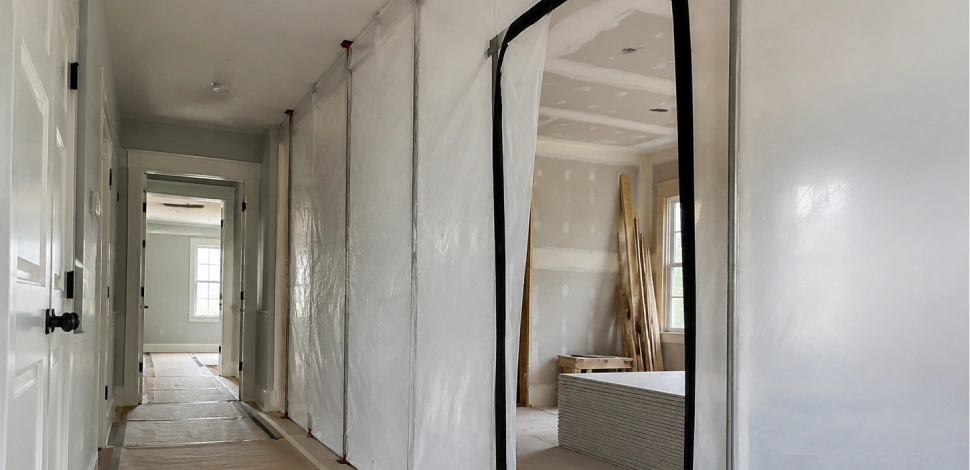
Temporary barriers, protected pathways, organized materials, and regular cleanup can help keep the construction area controlled.
Even with appropriate controls in place, active reconstruction may still create dust, debris, noise, vibration, deliveries, and daily disruption.
Whether the work zone can be effectively separated from the rest of the home depends on its location, size, access needs, and the type of work being completed.
For additional homeowner guidance on controlling dust and pollutants during residential renovation work, see the U.S. Environmental Protection Agency’s indoor air quality best practices for remodeling.
Children, Older Adults, Pets, and Household Needs
Household needs can affect whether temporary relocation is the more practical option.
Children, older adults, pets, individuals who work from home, and anyone who depends on consistent access to utilities or essential rooms may be affected differently by construction noise, restricted areas, changing work paths, and daily disruption.
This article does not provide medical advice. Health-related concerns should be discussed with a qualified professional.
When May Partial Occupancy Be Possible?
Partial occupancy may be discussed when:
- The work is limited to a separate part of the home
- Essential utilities remain available
- Usable access routes can be maintained
- Work zones can be separated from occupied areas
- The kitchen, bathroom, and sleeping areas remain functional
- The contractor has explained how access will be managed
- Applicable local requirements allow continued occupancy
These conditions do not guarantee that the home can remain occupied. The final plan depends on the actual construction conditions and any professional or local guidance that applies.
When May Temporary Relocation Be Necessary?
Temporary relocation may need to be considered when:
- Structural components are open or affected
- Several rooms are under construction
- The only kitchen or bathroom cannot be used
- Electricity, plumbing, water, or heating will be interrupted
- Required entrances or exits cannot remain available
- Significant demolition or material removal affects occupied areas
- Fire- or water-related damage affects a broad portion of the home
- Site conditions, required work-zone controls, or guidance from a building official or other qualified professional indicate that continued occupancy is not appropriate.
Advance planning can reduce confusion if access conditions change during the project.
Questions to Ask Before Reconstruction Begins
Before construction starts, ask:
- Which rooms will be unavailable?
- Will water, electricity, heating, or other utilities be interrupted?
- How long are planned utility interruptions expected to last?
- Can the work area be separated from occupied areas?
- Which entrances will workers and materials use?
- Will the kitchen or bathroom remain functional?
- Where should furniture and belongings be moved?
- How should children and pets be kept away from the work area?
- What daily work hours should the household expect?
- What project changes could affect the access plan?
- Who should be contacted if access conditions change?
These questions support a practical discussion with the contractor. They do not replace the construction agreement, documented scope, local requirements, or professional guidance.
Insurance and Temporary Living Arrangements
Temporary-housing or additional-living-expense coverage varies by policy. Coverage may depend on the cause of loss, the policy terms, carrier review, and the specific claim circumstances.
Octagon Construction & Energy does not determine insurance coverage. Homeowners should discuss temporary-living benefits directly with their insurer or another qualified insurance representative.
When reconstruction follows an approved insurance scope, the rebuilding work remains separate from coverage decisions. The insurance reconstruction page explains how documented, approved-scope rebuilding may proceed.
Planning for Access During Reconstruction
Whether part of a home can remain occupied depends on the actual construction conditions rather than assumptions made before the work begins.
Discussing utilities, essential rooms, work-zone separation, entrances, construction paths, household needs, and possible project changes in advance can make the process easier to manage. The access plan should be reconsidered whenever the reconstruction scope or site conditions change.
Discuss Your Reconstruction Needs
If your property is ready for rebuilding after damage, Octagon Construction & Energy can review the remaining construction scope and discuss the next steps for your project.
Discuss Your Reconstruction Project
Call (207) 310-4163
Frequently Asked Questions
1. Can I stay in one part of my house during reconstruction?
Partial occupancy may be possible when the work is contained within a separate area, essential rooms remain usable, and access can be managed. It is not guaranteed and depends on the actual project conditions and applicable guidance.
2. Can reconstruction continue while utilities remain active?
It depends on the project. Some construction stages may proceed while utilities remain active, while other work may require temporary shutdowns or restricted access to particular systems.
3. Can children or pets remain in the home during reconstruction?
This depends on the work zone, noise, materials, access restrictions, and the needs of the household. Construction areas should remain restricted, but this article does not provide medical or safety guarantees.
4. What happens if the kitchen or bathroom cannot be used?
If the home’s only kitchen or bathroom cannot be used, temporary relocation or another workable household arrangement may be necessary. The appropriate plan depends on the duration and scope of the interruption.
5. Who decides whether temporary relocation is necessary?
Access and relocation decisions should be based on the actual construction conditions, project-team guidance, and any building, engineering, safety, or local requirements that apply. Insurance coverage for temporary housing is a separate issue that the homeowner must discuss directly with the insurer or a qualified insurance representative.
6. Does insurance pay for temporary housing during reconstruction?
Coverage varies by policy, carrier review, cause of loss, and claim circumstances. Octagon Construction & Energy does not determine coverage. Homeowners should confirm temporary-housing or additional-living-expense benefits directly with their insurer or qualified insurance representative.