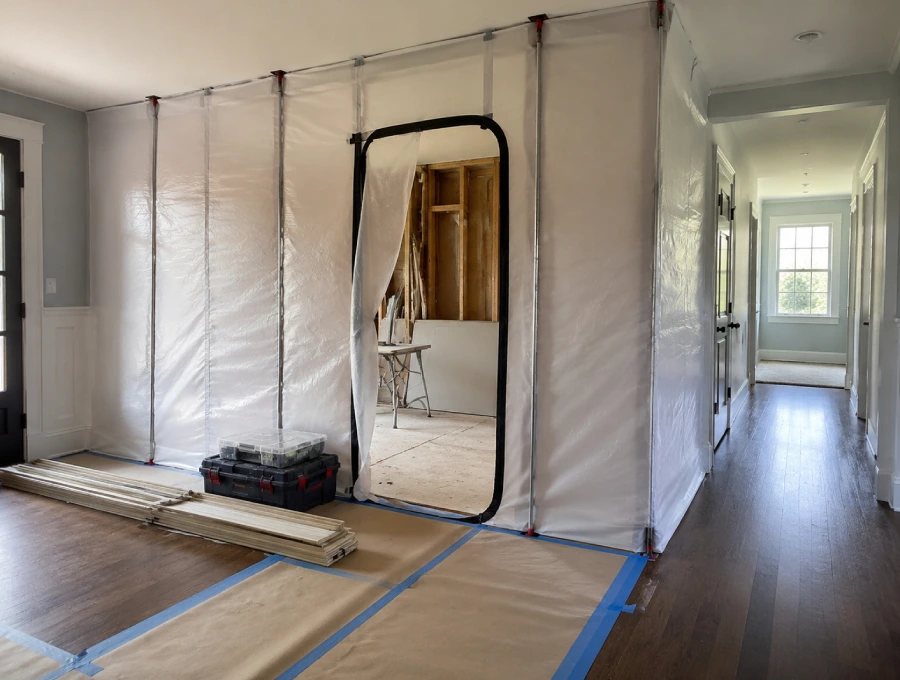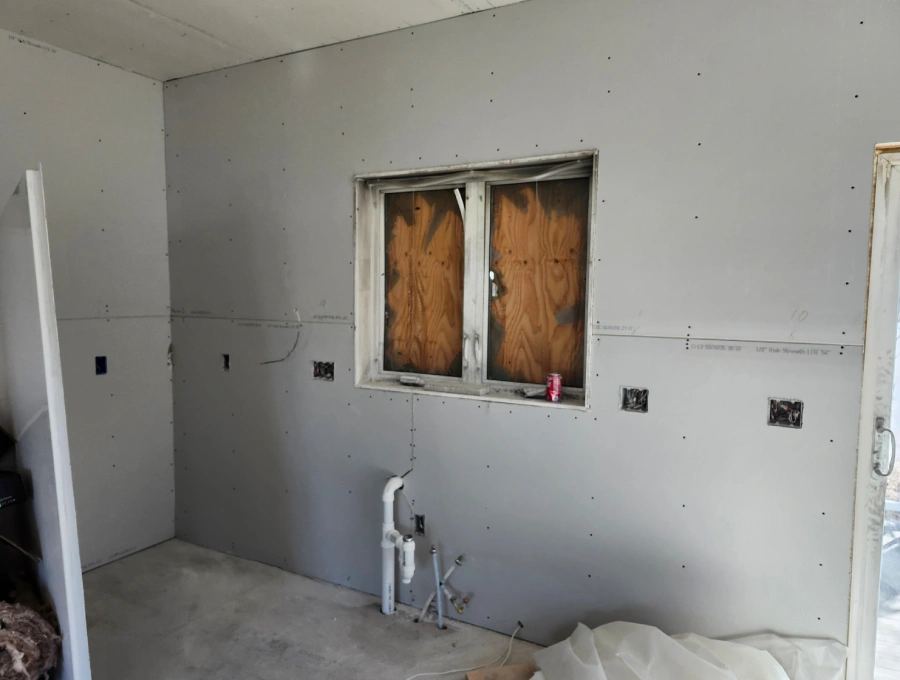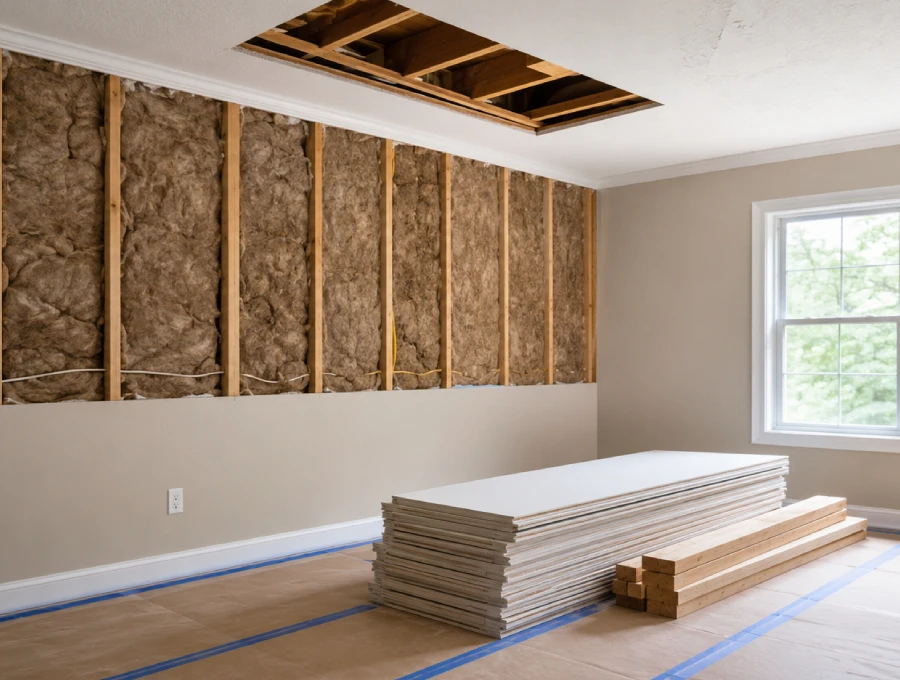
After mitigation is complete, most homeowners assume the hardest part is over.
In reality, one of the most important decisions comes next: choosing the right contractor to rebuild the property.
Choosing the wrong contractor can increase the risk of incomplete rebuilding, unclear scope, missed project conditions, and additional costs.
Many contractors approach damage as a repair or remodeling project. Reconstruction requires a different approach because rebuilding decisions must be based on documented property conditions, affected systems, and the approved project scope.
This guide explains how to choose a reconstruction contractor after property damage and what qualifications matter when selecting a company for the rebuilding phase.
Quick Answer
How do you choose a reconstruction contractor after property damage?
Choose a contractor who understands reconstruction, reviews documented project conditions, defines a clear scope of work, communicates throughout the process, and experience required for rebuilding.
What is the difference between a reconstruction contractor and a restoration company?
Restoration and mitigation companies typically handle cleanup, drying, stabilization, and damage removal. Reconstruction contractors focus on rebuilding affected areas after the mitigation phase is complete.
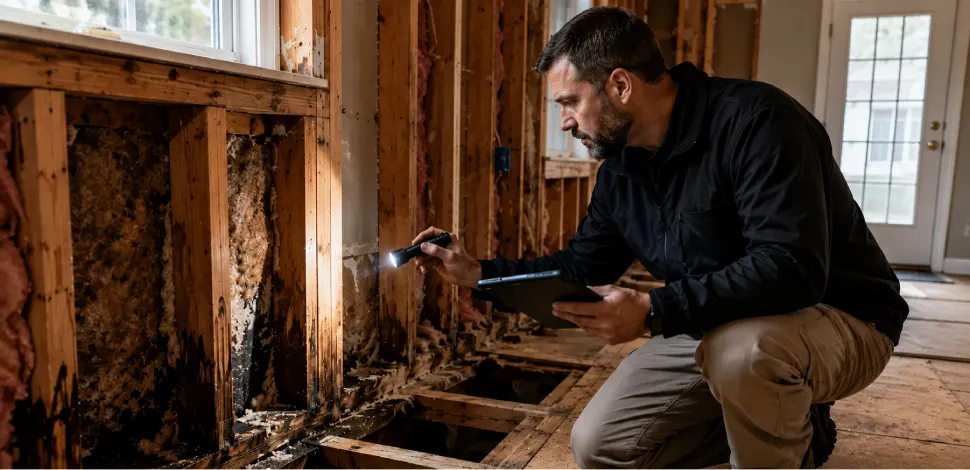
Why Choosing the Right Contractor Matters After Damage
Property damage may extend beyond what is immediately visible.
What appears to be a surface issue may involve:
- Moisture inside walls and flooring systems
- Material deterioration beneath finished surfaces
- Affected framing or subfloors
- Additional construction conditions discovered during rebuilding
A contractor who focuses only on visible repairs may overlook important rebuilding requirements.
This can lead to:
- Repeated failures
- Expanding project scope
- Delays during construction
- Increased long-term costs
Early reconstruction planning helps establish a clear scope and reduces uncertainty during the rebuilding process.
Reconstruction vs Restoration
This distinction is important when selecting the right contractor.
Restoration and Mitigation Phase
Restoration and mitigation typically involve:
- Water removal
- Cleanup
- Drying
- Damage containment
- Removal of affected materials
Reconstruction and Rebuild Phase
Reconstruction involves:
- Rebuilding damaged areas
- Replacing removed materials
- Rebuilding affected building systems
- Completing unfinished areas
- Preparing the property for safe use
Reconstruction begins after mitigation is complete and the property is ready for rebuilding.
Choosing a contractor with the correct role and experience helps ensure the rebuilding phase is handled properly.
What a Qualified Reconstruction Contractor Should Do
A qualified reconstruction contractor should focus on rebuilding based on the actual condition of the property after damage.
This includes:
- Reviewing documented project conditions
- Reviewing affected areas beyond visible surfaces
- Defining a clear reconstruction scope
- Explaining project requirements and expectations
- Coordinating rebuilding work
- Communicating changes or additional findings during construction
- Providing workmanship terms and project expectations
A clear scope helps prevent confusion, unexpected changes, and delays during the reconstruction process.
What to Look For When Choosing a Reconstruction Contractor
Before selecting a contractor, homeowners should review several important factors.
This helps protect the homeowner and supports professional project management.
Reconstruction Experience
Reconstruction requires experience rebuilding after property damage.
Look for a contractor who understands:
- Damaged building systems
- Material replacement
- Structural and interior rebuilding
- Scope coordination
- Construction planning
Clear Scope of Work
A reliable contractor should explain:
- What areas will be rebuilt
- What materials are included
- What work is outside the current scope
- How additional conditions will be documented
Communication Standards
Good communication is essential throughout reconstruction.
Homeowners should understand:
- Who the main contact is
- How updates are provided
- How questions are handled
- How changes are communicated
Workmanship Terms
Before work begins, homeowners should understand:
- Warranty information
- Workmanship expectations
- Completion standards
- Project responsibilities
Red Flags When Hiring a Contractor
Not every contractor is equipped to handle reconstruction after property damage.
Common warning signs include:
- Focusing only on cosmetic repairs
- No review of documented project conditions
- Unclear or incomplete scope of work
- Treating reconstruction like standard remodeling
- Providing estimates without understanding actual rebuilding requirements
- Limited communication about project changes
These indicators may increase the risk of incomplete rebuilding or unexpected project issues.
Questions to Ask Before Hiring
Before choosing a reconstruction contractor, ask:
- How much experience do you have with reconstruction projects?
- How do you determine reconstruction scope after damage?
- How do you identify additional project conditions?
- Do you rebuild affected systems or only repair visible surfaces?
- How are scope changes documented?
- What workmanship terms do you provide?
- Who will communicate project updates?
- What happens if additional construction needs are discovered?
These questions help determine whether the contractor understands reconstruction or is approaching the project as basic repair work.
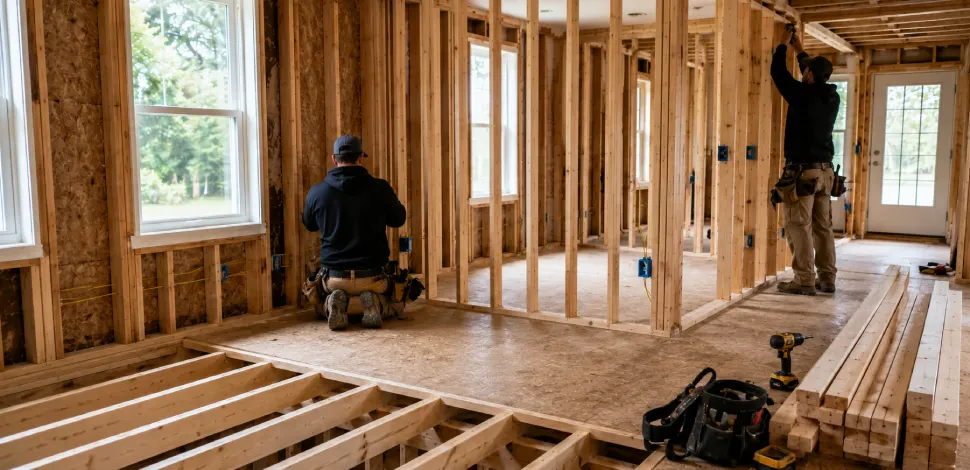
Why Reconstruction Requires Specialized Experience
Reconstruction is different from general contracting or standard remodeling.
It requires:
- Damage-related reconstruction review experience
- Understanding of affected building systems
- Experience rebuilding damaged areas
- Ability to adjust scope based on documented conditions
- Project coordination throughout construction
Many properties require more than surface repairs. Proper reconstruction planning helps address the actual condition of the property.
How Contractor Selection Affects Cost and Timeline
The contractor you choose can influence project cost and timeline.
Poor review or unclear planning can result in:
- Scope changes during construction
- Delays caused by unexpected conditions
- Increased labor and material costs
A contractor who understands reconstruction can identify project requirements earlier and create a clearer rebuilding plan.
Delays can occur when additional conditions are discovered after work begins, which is why clear scope review and communication are important.
Choose Based on Scope, Experience, and Communication
Choosing a reconstruction contractor is not only about availability or the lowest price.
The right contractor should have:
- Reconstruction experience
- Clear scope documentation
- Strong communication practices
- Defined workmanship expectations
The decision should be based on the actual condition of the property after damage, not only cosmetic appearance or the fastest estimate.
When Reconstruction May Be Required
Reconstruction may be needed when:
- Building materials were removed during mitigation
- Flooring, drywall, or framing systems remain incomplete
- Hidden damage extends beneath visible surfaces
- The property is not fully usable after cleanup
- Rebuilding requires more than cosmetic repairs
At this stage, rebuilding decisions should be based on documented property conditions and a clear reconstruction scope.
For properties affected by moisture, a water damage reconstruction approach may be needed when cleanup is complete but rebuilding is still required.
Choose Reconstruction Based on Actual Property Condition
If your property remains incomplete after mitigation or damage removal, reconstruction decisions should be based on a full review of documented conditions and rebuilding scope.
The first step is understanding the actual condition of the property and selecting a contractor with the experience, communication, and project management approach required for reconstruction.
Octagon Construction & Energy helps homeowners throughout Maine and New Hampshire with reconstruction projects after property damage.
Learn more about reconstruction services
Discuss Your Reconstruction Project
If your property requires rebuilding after damage, Octagon Construction & Energy can help coordinate reconstruction based on documented conditions and project scope.
Frequently Asked Questions
- Can a general contractor handle reconstruction after damage?
Yes, provided the contractor has experience with damage-related reconstruction and a clear process for reviewing documented conditions and reconstruction scope.
- Why is reconstruction different from remodeling?
Reconstruction rebuilds damaged areas after property damage. Remodeling focuses on planned upgrades, design changes, or improvements.
- When should I hire a reconstruction contractor?
A reconstruction contractor should be considered after mitigation is complete and the property is ready for rebuilding.
- What happens if the contractor misses hidden damage?
Missed hidden damage can lead to additional work, delays, increased costs, and incomplete rebuilding.
- Can the wrong contractor increase reconstruction cost later?
Yes. Poor planning, unclear scope, and missed conditions can increase long-term project costs.
- Should reconstruction planning begin before cosmetic repairs?
Reconstruction scope should be reviewed before cosmetic repairs begin so rebuilding requirements are addressed first.