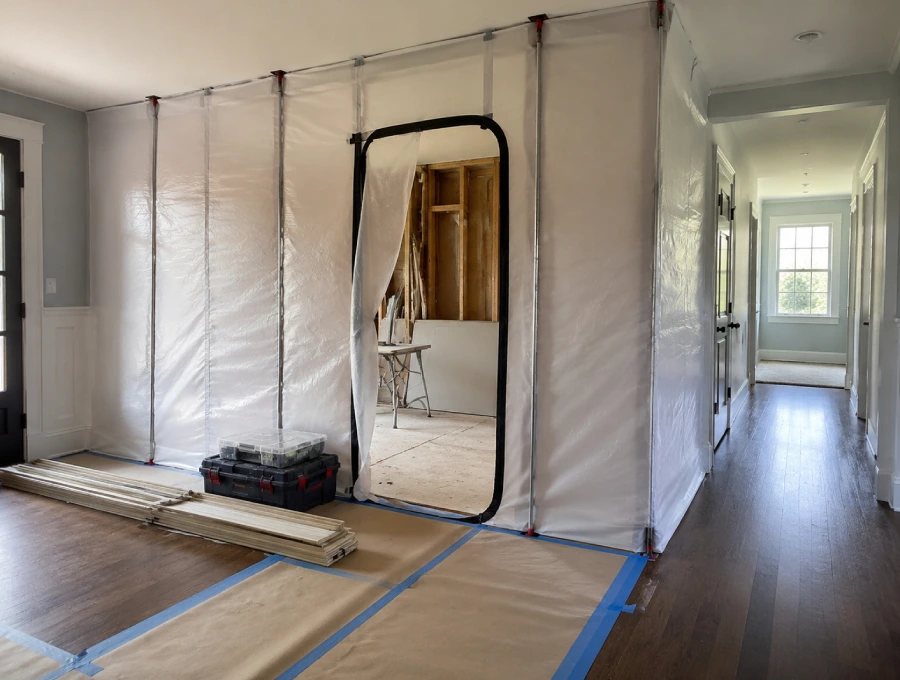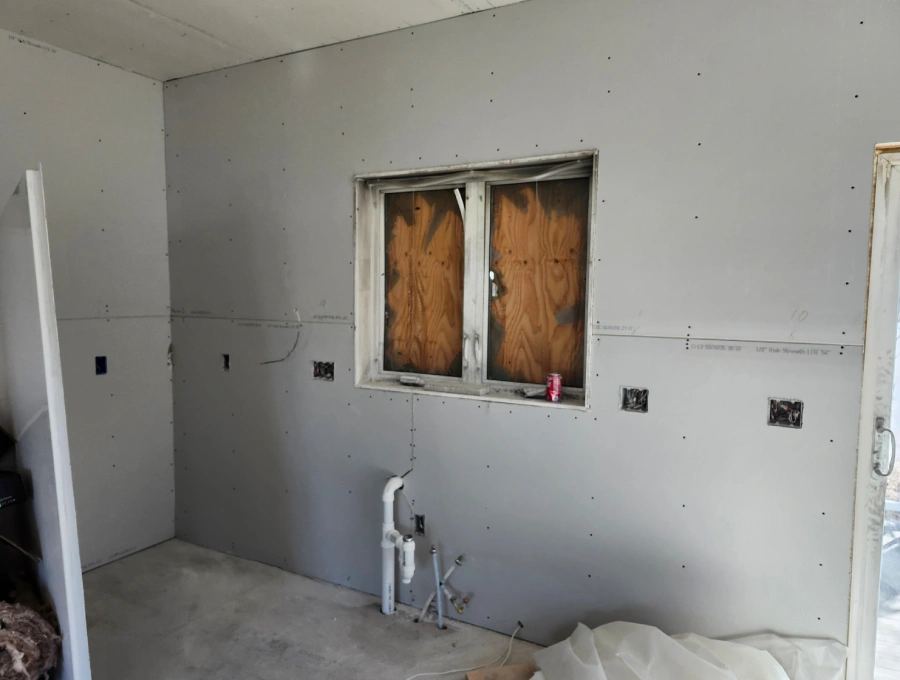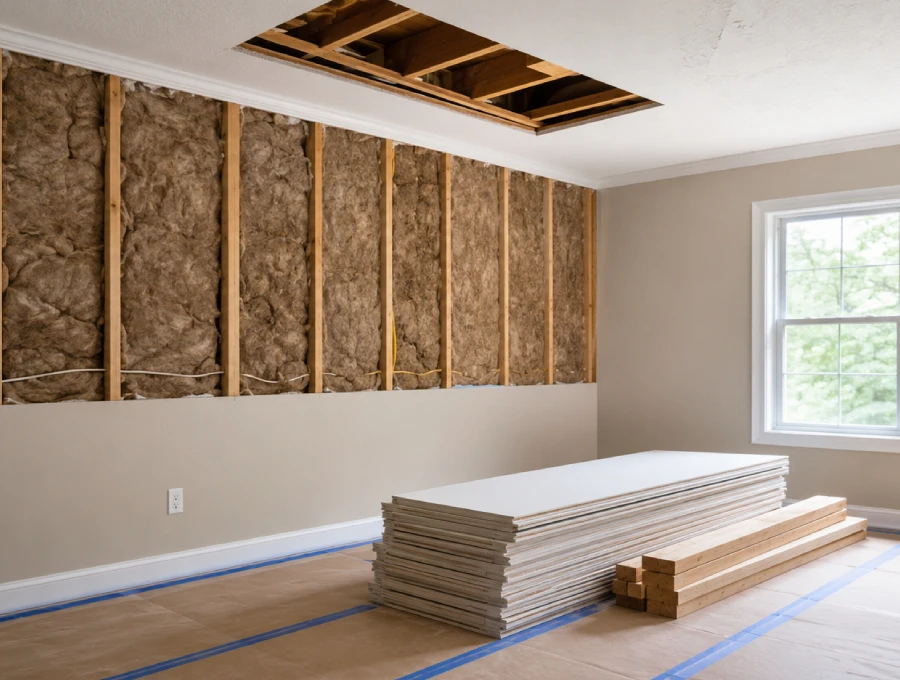
After property damage, many homeowners expect a predictable rebuilding cost.
What they often discover is the opposite.
In Maine and New Hampshire, reconstruction cost is not based only on visible damage. Once rebuilding begins, hidden structural conditions, moisture spread, and material removal may expand the total scope.
Two properties that appear similar on the surface can result in very different reconstruction costs.
Understanding what drives these changes is important before any rebuilding decision is made.
Quick Answer
How much does reconstruction cost after property damage?
Reconstruction cost varies based on structural damage, material requirements, labor complexity, and how far damage extends beyond visible areas. Cost may also depend on documented construction conditions, reconstruction scope, affected materials, structural involvement, finishes, code requirements, and approved insurance scope where applicable.
What affects reconstruction cost the most?
Structural deterioration, hidden moisture, rebuilding scope, affected materials, structural involvement, finishes, code requirements, and project complexity are common cost drivers.
What Reconstruction Cost Means
Reconstruction cost reflects the total work required to rebuild a property after damage based on its actual construction condition.
It is reviewed through:
- Level of structural damage
- Areas affected within the property
- Materials required for rebuilding
- Labor and coordination complexity
- Compliance with building codes
- Reconstruction scope
- Affected materials
- Finish requirements
- Approved insurance scope where applicable
This review helps determine whether the project involves limited repair or full reconstruction.
What Affects Reconstruction Cost in Maine & NH
Several factors influence reconstruction cost in Maine and New Hampshire:
Extent of Damage
The amount of affected area can significantly influence reconstruction scope.
Structural Involvement
Structural involvement can increase reconstruction complexity.
This may include:
- Framing components
- Subfloors
- Structural systems
- Other affected building areas
Number of Affected Areas
Projects involving multiple areas may require additional coordination, materials, and labor.
Material Requirements
Material selection affects reconstruction requirements.
Factors may include:
- Materials removed during mitigation
- Replacement materials required
- Availability of matching finishes
- Current product availability
Labor Coordination
Reconstruction requires coordination between materials, scheduling, and construction activities.
Environmental conditions such as freeze–thaw cycles and seasonal moisture may also influence reconstruction scope over time.
Structural Repair vs Reconstruction Cost
Not all damage requires the same approach.
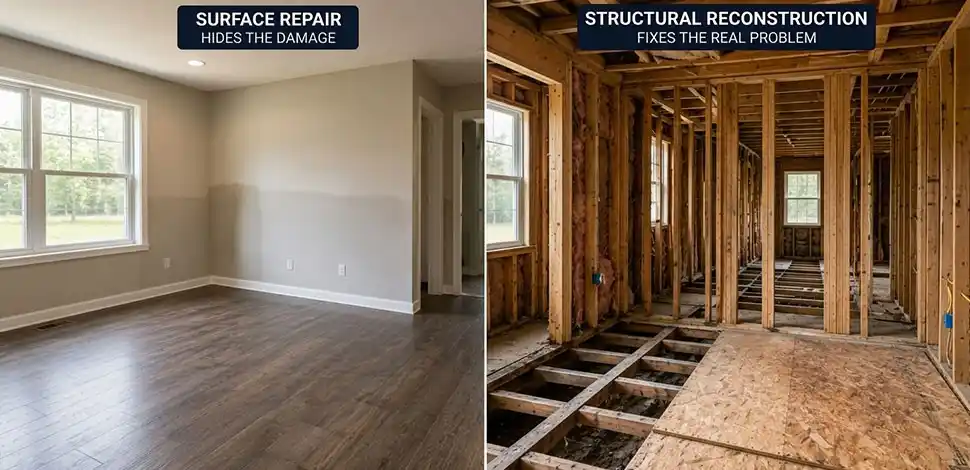
Surface Repair
Used when damage is limited and structural systems remain intact.
Structural Reconstruction
Structural reconstruction may be needed when structural components are affected and materials require removal and rebuilding.
Focusing only on visible damage may lead to underestimating total reconstruction cost. When structural systems are involved, rebuilding requirements may extend beyond surface repairs.
If structural damage is documented, structural reconstruction may need to be addressed before finishing work.
When Reconstruction Costs Increase
Reconstruction cost may increase when damage extends beyond initial expectations.
This may happen when:
- Structural systems are involved
- Damage affects multiple areas
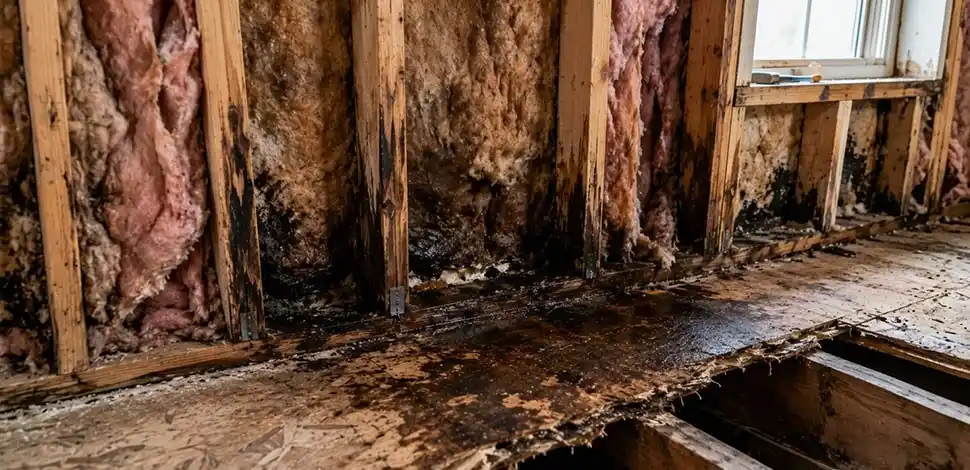
- Moisture spreads within framing or subfloors
- Reconstruction is delayed
- Larger material removal is required
- Additional construction conditions are discovered
In Maine and New Hampshire, environmental conditions may contribute to an expanding reconstruction scope after the initial review.
Material and Labor Factors
Material and labor requirements play a major role in reconstruction cost.
Building Materials
Material selection affects durability, performance, and compliance with current standards.
Material Availability
Availability impacts project scheduling and coordination.
Skilled Labor
Reconstruction requires trained professionals with experience rebuilding damaged systems.
Building Standards
Applicable work must meet current building codes, which can influence cost and complexity.
Why Costs Vary Between Homes
Reconstruction cost varies significantly between properties due to:
Older Structures
Older homes often contain hidden weaknesses or outdated materials.
Hidden Structural Damage
Damage may extend beyond visible areas, especially after water intrusion or fire exposure.
Layout Complexity
Multi-level homes or complex layouts require more detailed reconstruction planning.
Because of these factors, cost should be based on documented construction conditions and reconstruction scope.
How Project Timeline Affects Cost
Project timing can influence reconstruction cost.
Delays in starting reconstruction may allow affected conditions to worsen and expand the scope of work.
Material availability and labor scheduling also influence timelines and cost progression.
Starting reconstruction after mitigation is complete and the project scope has been reviewed helps control timeline and cost risks.
How Insurance Affects Reconstruction Cost
Insurance may cover part of the reconstruction cost depending on policy and approved scope.
Coverage depends on:
- Proper documentation
- Alignment with the defined reconstruction scope
- Approved insurance requirements
Insurance estimates may not always reflect hidden construction conditions discovered during reconstruction.
Octagon Construction & Energy may provide construction-scope or estimate information for carrier review.
OCE does not determine coverage, negotiate claims, or guarantee insurance approval.
Water Damage and Cost Expansion
Water intrusion often increases reconstruction scope because moisture spreads beyond visible surfaces.
Moisture trapped within structural systems can continue affecting materials even after surfaces appear dry.
In these situations, water damage reconstruction may be needed when hidden material or structural impacts are included in the rebuild scope.
Learn more about water damage reconstruction
Hidden Costs Homeowners Don’t Expect
Unexpected cost increases are often tied to overlooked conditions:
- Delayed reconstruction may allow damage to expand
- Moisture spreads into surrounding materials
- Structural systems may weaken over time
- Incomplete repair decisions lead to repeated work
Limiting the reconstruction scope without addressing documented conditions may lead to repeated work and higher costs later.
Reconstruction Cost Depends on the Full Scope
Reconstruction cost is not based only on surface damage.
It is determined by structural condition, material requirements, documented construction conditions, reconstruction scope, affected materials, finishes, code requirements, and approved insurance scope where applicable.
Understanding this early helps prevent delays, unexpected expenses, and incomplete reconstruction decisions.
Discuss Your Reconstruction Project
If your property has been affected by damage, reconstruction cost depends on structural condition and the full rebuilding scope.
Octagon Construction & Energy can review reconstruction requirements and discuss rebuilding options based on documented project conditions.
FAQ
1. How much does reconstruction cost per square foot in Maine?
Cost varies based on structural condition, materials, labor requirements, finishes, documented construction conditions, and project complexity.
2. Why does reconstruction cost increase after mitigation?
Cleanup often reveals hidden structural damage, moisture spread, and additional construction conditions that expand reconstruction scope.
3. Can insurance underestimate reconstruction cost?
Insurance scope may not fully account for hidden construction conditions discovered during reconstruction.
4. Is it cheaper to rebuild or repair?
Repair may cost less initially, but reconstruction may be appropriate when structural systems are involved or when the rebuilding scope extends beyond surface repairs.
5. What increases reconstruction cost the most?
Structural damage, hidden moisture, reconstruction scope, affected materials, finishes, code requirements, and labor complexity can influence reconstruction cost.
6. Why do similar homes have different reconstruction costs?
Because documented construction conditions, hidden damage, affected materials, structural involvement, and layout complexity vary between properties.