Winters in Maine and New Hampshire can place significant stress on homes through snow, ice, moisture and repeated freeze-thaw conditions. Ice can work into small openings, snow loads may affect building systems, and long periods of cold can expose weaknesses in materials that may have performed well in the past.
Reconstruction may require replacing affected materials with products suited to the documented conditions, approved scope and applicable code and project requirements.
When homes require reconstruction due to damage, material choices should be based on the approved scope, affected areas, moisture exposure, structural requirements, applicable code and project requirements, and budget considerations.
The right materials depend on the needs of each reconstruction project rather than one material being best for every situation.
This guide focuses specifically on materials used during reconstruction after damage, not general remodeling or cosmetic upgrades.
Quick Answer
What materials are used in reconstruction after damage?
Reconstruction may involve materials selected for durability, moisture resistance, and project requirements. Choices depend on the approved scope, affected materials, location, moisture exposure, structural needs, applicable code and project requirements, and budget.
Why are material choices important when rebuilding a home?
Material selection can influence durability, moisture management, energy performance, and long-term project results when chosen according to the reconstruction scope.
Why Material Selection Matters After Damage
Older materials may have been installed under different conditions and may not perform the same after moisture exposure, freeze thaw cycles, or other damage events.
After reconstruction begins, material choices should consider:
- Moisture exposure
- Existing building conditions
- Structural requirements
- Location and climate factors
- Project scope
- Budget considerations
Material selection should account for the documented conditions and reconstruction scope; however, new materials alone do not correct the original source of damage.
Reconstruction focuses on rebuilding affected areas based on the defined scope and project requirements.
The Role of Materials in Structural Rebuilding
After mitigation or cleanup is complete and the affected areas are ready for rebuilding, reconstruction includes selecting materials appropriate for the approved scope.
Material selection during reconstruction may involve:
- Moisture-resistant materials
- Structural framing components
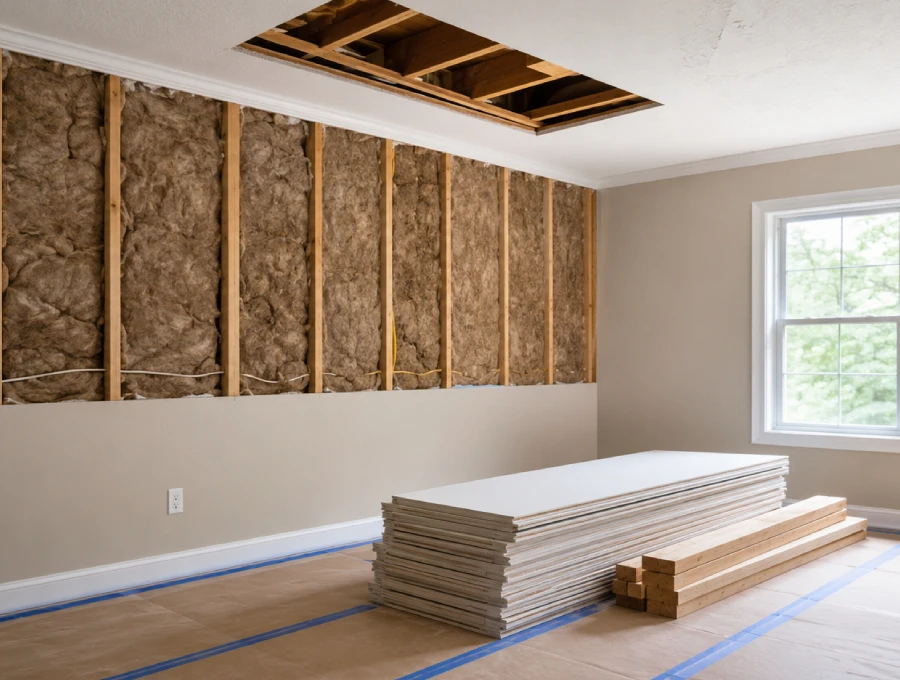
- Insulation systems
- Wall assemblies
- Flooring materials
- Finish materials
These decisions depend on the affected areas, approved scope, and project requirements.
Materials should support the rebuilding process and the specific needs of the property.
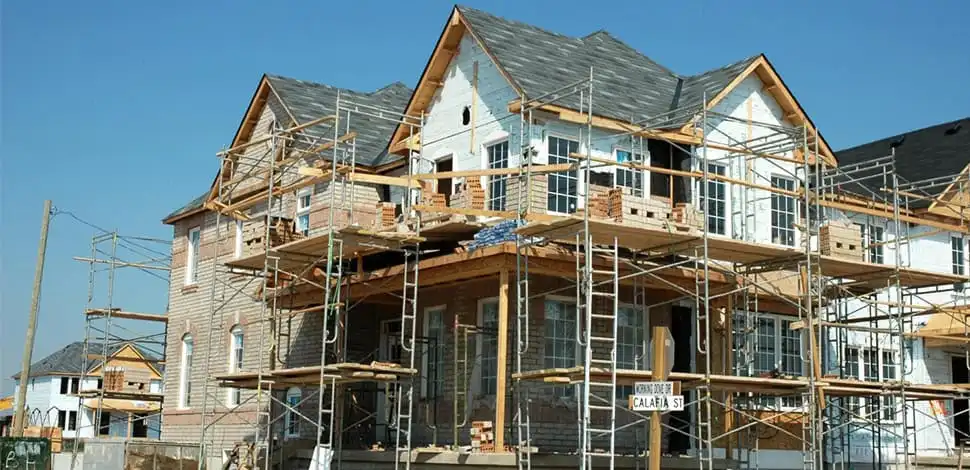
Structural Strength Starts Below the Surface
Many important reconstruction decisions are not visible after the project is complete.
Rebuilding may include:
- Framing systems
- Connection improvements where required
- Moisture-resistant substructures
- Replacement of affected materials
Capillary action can move moisture into building materials even after visible water is removed.
These types of conditions are commonly identified in cases of structural reconstruction, where affected building components require rebuilding after damage.
Material decisions should follow the documented conditions and reconstruction scope.
Energy Performance and Long-Term Efficiency
Damage may reveal weaknesses in insulation and air sealing.
Reconstruction may provide an opportunity to review:
- Insulation systems
- Air sealing methods
- Vapor control considerations
- Window and door-related components
Material selections may influence energy performance depending on the building conditions and project scope.
Moisture Resistance Matters in Maine and New Hampshire
Moisture exposure is an important factor in reconstruction projects throughout Maine and New Hampshire.
Homes may experience:
- Snowmelt
- Heavy rainfall
- Ground saturation
- Ice-related moisture intrusion
In moisture-related damage scenarios, rebuilding may involve water damage reconstruction.
Material choices should consider moisture exposure, drying conditions, affected components, and the approved reconstruction scope.
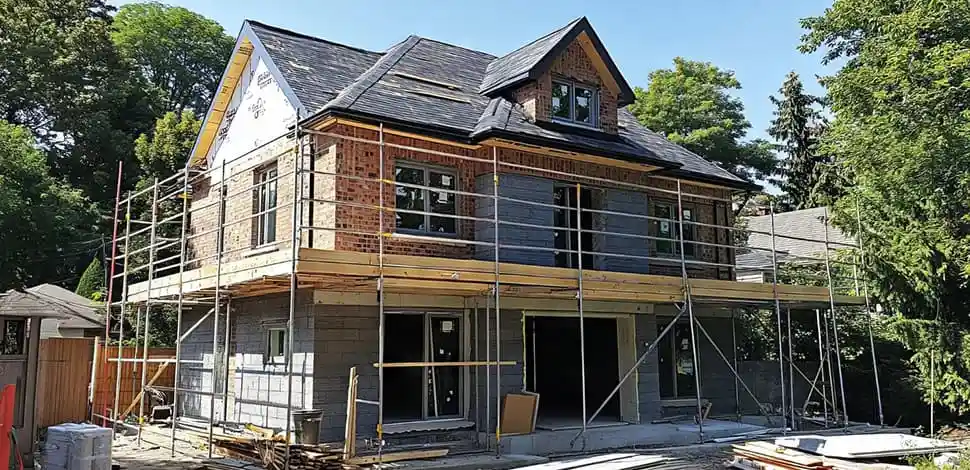
Rebuilding From the Ground Up
Structural performance depends on how building components work together.
Reconstruction may involve reviewing:
- Foundation conditions
- Framing components
- Structural connections
- Material compatibility
A properly planned reconstruction project considers the entire system rather than isolated replacements.
Can Material Choice Affect Structural Durability After Damage?
Yes. Material selection can influence durability and long-term performance after damage.
The outcome depends on:
- The affected materials
- Project conditions
- Moisture exposure
- Structural requirements
- Approved reconstruction scope
Why Material Selection Impacts Long-Term Results
Material selection is an important part of reconstruction planning.
Using materials that do not match project conditions may contribute to:
- Moisture-related concerns
- Reduced durability
- Additional maintenance needs
- Future repair requirements
Choosing materials based on the approved scope, project conditions, and performance needs helps support a more appropriate reconstruction approach.
Common Mistakes in Post-Damage Rebuilding
- Replacing materials without considering the cause of damage
- Focusing only on visible finishes
- Ignoring affected building components
- Selecting materials without considering moisture exposure
- Proceeding without reviewing the reconstruction scope
When to Consider Rebuilding With Updated Materials
Rebuilding may be considered when:
- Structural damage has occurred
- Materials have deteriorated
- Moisture has affected building components
- Repairs are no longer practical based on the project conditions
The required approach depends on the damage extent and documented conditions.
Where These Materials Are Used in Reconstruction
Materials may be used during reconstruction for:
- Basements affected by water damage
- Structural areas affected by moisture
- Homes affected by fire-related property damage
- Areas requiring rebuilding based on the approved scope
Material selection is one part of broader damage-related reconstruction services, which may include structural rebuilding, interior systems and finish replacement.
Structural rebuilding should follow a defined reconstruction process.
How Octagon Approaches Material Selection During Reconstruction
For damage-related reconstruction projects, Octagon Construction & Energy selects and installs materials according to documented conditions, the approved scope and applicable code and project requirements.
The approach includes:
- Review of visible construction conditions
- Material selection based on the reconstruction scope
- Planned rebuilding process
- Focus on durability and project requirements
Projects are planned based on documented conditions and approved scope.
Octagon Construction & Energy does not provide engineering approvals. When engineering review, design or specialized approval is required, the appropriate licensed professional should be involved. Reconstruction work should follow applicable project and code requirements.
Key Points for Homeowners
- Reconstruction materials should be selected based on project conditions
- Moisture exposure and structural requirements influence material choices
- No single material is best for every reconstruction project
- Approved scope, location, budget, and applicable code and project requirements affect selections
- Proper material planning supports the rebuilding process
Frequently Asked Questions
How are reconstruction materials selected after property damage?
Reconstruction materials are selected based on documented conditions, the approved scope, moisture exposure, structural requirements, location, applicable code and project requirements, and budget.
Are updated materials always better than the original materials?
No. The appropriate choice depends on compatibility, project conditions and the reconstruction scope. No single material is best for every project.
Can reconstruction improve energy performance?
It may when the reconstruction scope includes insulation, air sealing, windows, doors or related building components. Results depend on the selected materials and existing conditions.
What materials may be used during reconstruction?
Depending on the scope, reconstruction may involve framing, insulation, drywall, subflooring, flooring, moisture-control materials and interior finishes.
When may rebuilding be needed instead of limited repair?
Rebuilding may be appropriate when affected materials require replacement, structural components are involved, or limited repair would not address the documented conditions.
Discuss Your Reconstruction Project
If your home has experienced structural or moisture-related damage, discuss the reconstruction scope and material considerations with Octagon Construction & Energy.