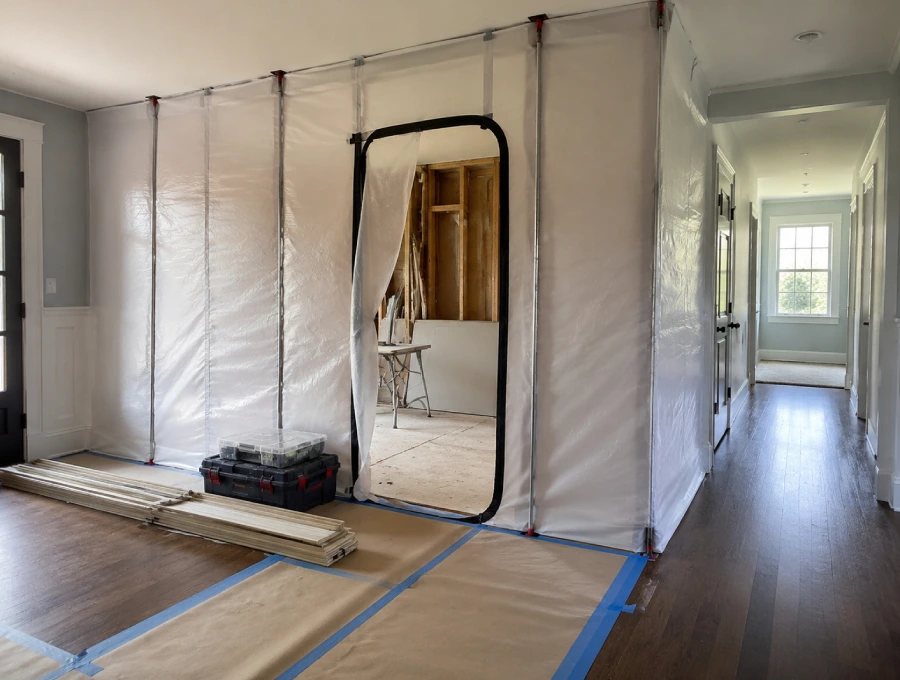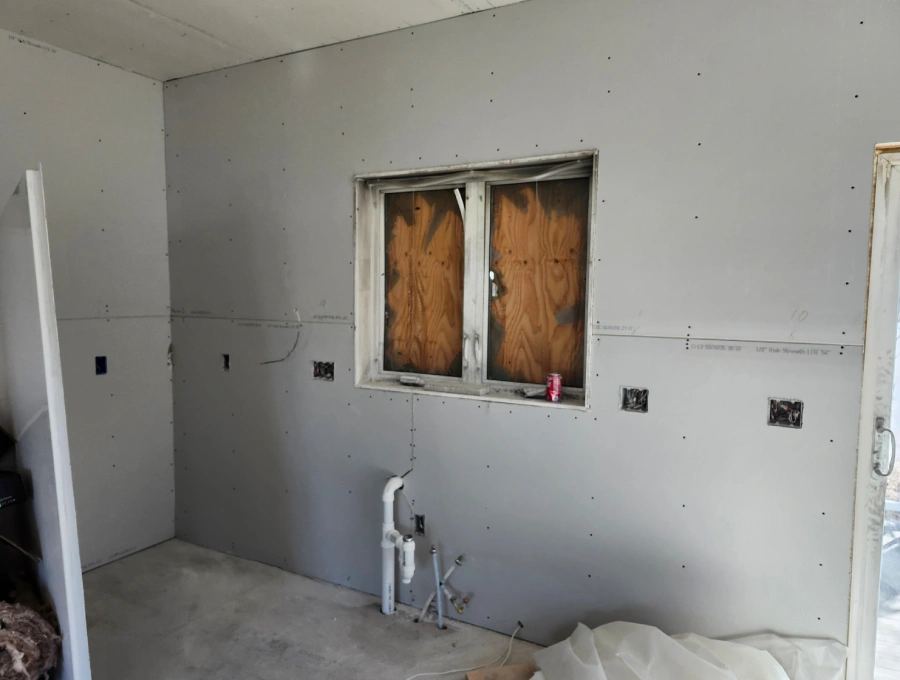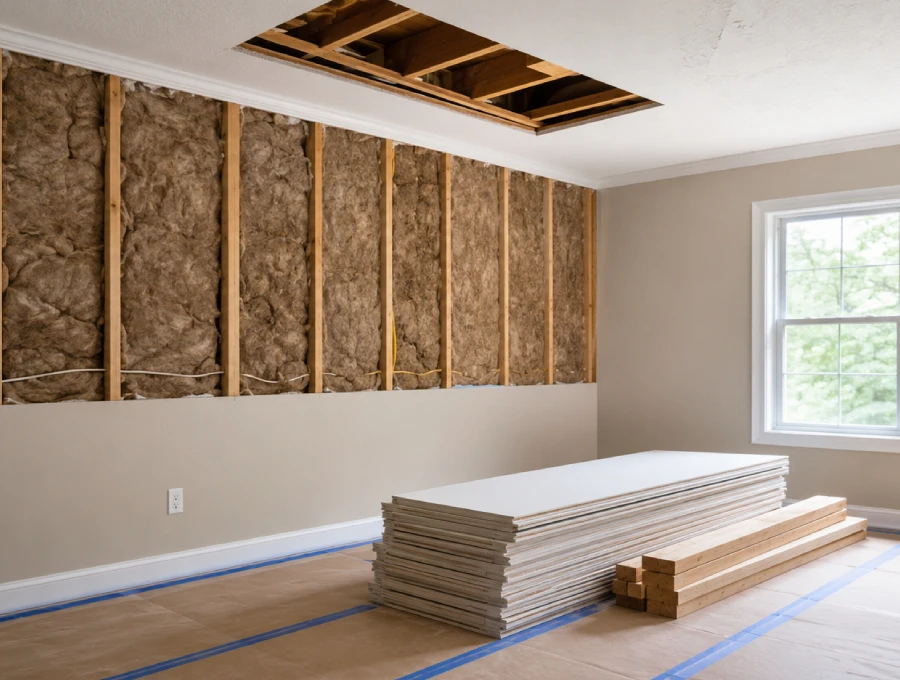
Winter storms in Maine and New Hampshire may look manageable from the outside, but the real impact often becomes clear only after mitigation is complete and reconstruction begins.
Freeze thaw cycles, heavy snow, ice dams, and hidden moisture can affect building systems over time. Many homeowners only understand the full extent of the damage once rebuilding starts.
Reconstruction begins after mitigation is complete and the property is ready for rebuilding.
This guide focuses on what happens next, specifically the reconstruction timeline after winter damage, not general renovation or cosmetic upgrades.
This timeline applies specifically to reconstruction after damage, where rebuilding is required before finishing can begin.
Quick Answer
How long does reconstruction take after winter damage?
Reconstruction timelines may range from a few weeks to several months, depending on the affected conditions, structural involvement, material availability, weather and project scope.
What delays reconstruction after winter damage?
Delays are commonly caused by hidden conditions, material availability, weather conditions, and insurance approvals when applicable.
Reconstruction Timeline After Winter Damage
Typical reconstruction follows these stages:
- Review of visible construction conditions
- Scope definition and planning
- Insurance-scope review and approval, when applicable
- Material selection and scheduling
- Structural rebuilding
- Interior finishing and final project review
Timeline depends on:
- Severity of affected conditions
- Weather conditions during reconstruction
- Availability of materials
- Complexity of the home
Each timeline depends on documented conditions and reconstruction scope, not just surface-level damage or cosmetic work.
These stages form the broader process used for damage-related reconstruction services after the affected area is ready for rebuilding.
This is why reviewing underlying conditions, such as those explained in structural reconstruction, is important before defining a timeline.
Understanding this process helps homeowners set realistic expectations and avoid delays.
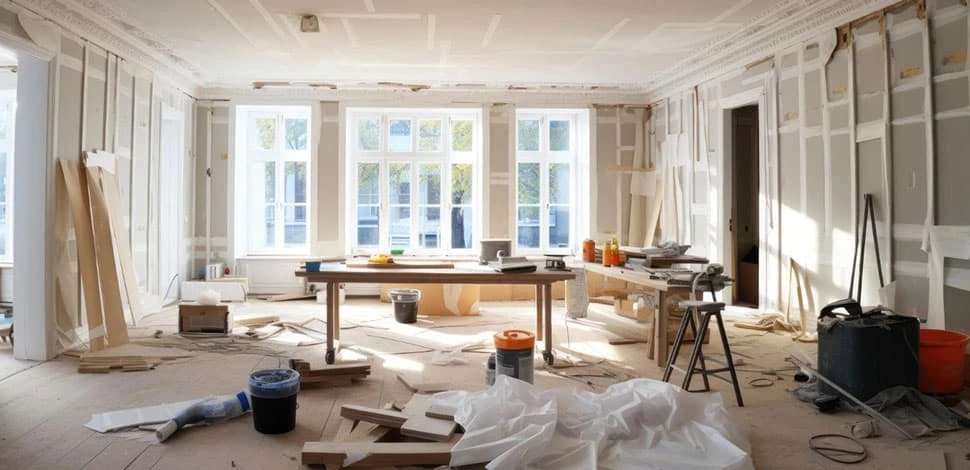
How Different Winter Conditions Affect the Schedule
Winter-related conditions may remain hidden until materials are opened. When additional affected areas are discovered, the scope, material quantities, approvals and trade schedule may need to be updated before rebuilding continues.
Ice dams and roof leaks may add attic, ceiling or roof-decking work, while exterior access and weather may affect scheduling.
Burst-pipe damage may expand the scope across multiple rooms. After water removal and drying are completed by the appropriate providers, water damage reconstruction may involve subfloor, framing and finish rebuilding.
Attic moisture may delay insulation, ventilation or finishing work. Freeze-thaw conditions may add structural or exterior work when affected materials require replacement.
These conditions affect the timeline only when documented conditions expand the approved reconstruction scope.
What Causes Delays in Reconstruction
Several factors may extend reconstruction timelines:
- Hidden conditions discovered during rebuilding
- Weather conditions limiting exterior work
- Material availability and delivery timing
- Insurance approval delays when applicable
- Scope adjustments during construction
Delays may occur when hidden conditions are discovered after work begins, which is why an early review can help define the reconstruction scope.
Planning early and working with a reconstruction-focused contractor can help improve coordination.
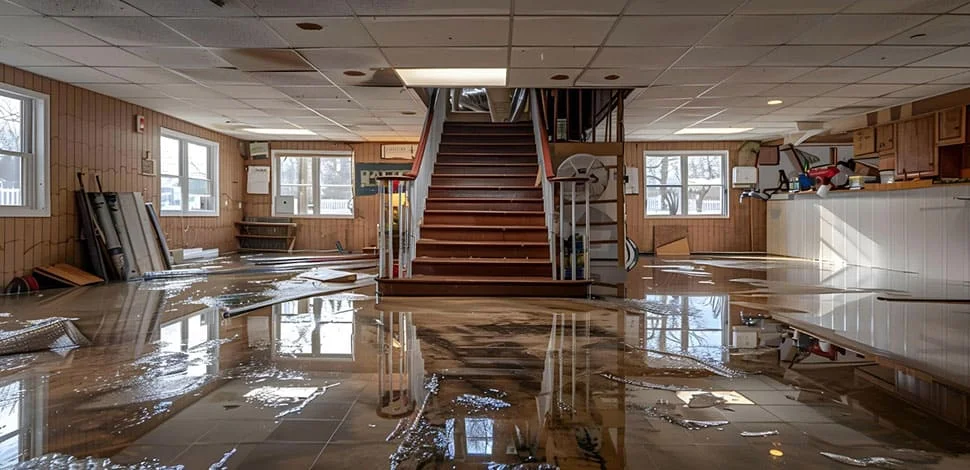
Why Timeline Planning Matters
Without a clear timeline, reconstruction projects can become unpredictable.
Delays may lead to:
- Increased costs
- Extended disruption
- Coordination issues
Understanding the reconstruction timeline helps homeowners plan correctly and avoid unnecessary setbacks.
Step by Step Preparation Before Reconstruction
- Confirm mitigation and drying are complete
- Review visible construction conditions
- Identify affected areas
- Plan scope of work
- Prepare for material selection
- Coordinate scheduling
Proper project sequencing can help coordinate rebuilding and finishing work in the correct order.
This preparation helps streamline the reconstruction process.
Key Differences: Snowfall vs Snow Melt
Snowfall
- Visible
- Primarily affects structural load
Snow Melt
- Enters structural gaps
- Refreezes inside materials
- May contribute to hidden moisture conditions
Snow melt may contribute to reconstruction needs after winter damage depending on affected materials and project conditions.
FAQ
Does most winter damage happen during storms?
No. Some winter-related damage becomes more noticeable during melting and refreezing periods.
How can I tell if reconstruction will take longer?
Hidden conditions, multiple affected areas, material availability, and weather conditions can extend timelines.
Can delays increase reconstruction cost?
Delays may increase project scope, labor, and coordination requirements depending on the circumstances.
Who determines the reconstruction timeline?
A reconstruction contractor develops the working timeline based on visible conditions and project scope. Insurance approvals, material availability, weather and trade coordination may also affect the final schedule.
Discuss Your Reconstruction Project
If your home has experienced winter damage, discuss the reconstruction timeline and project scope with Octagon Construction & Energy.