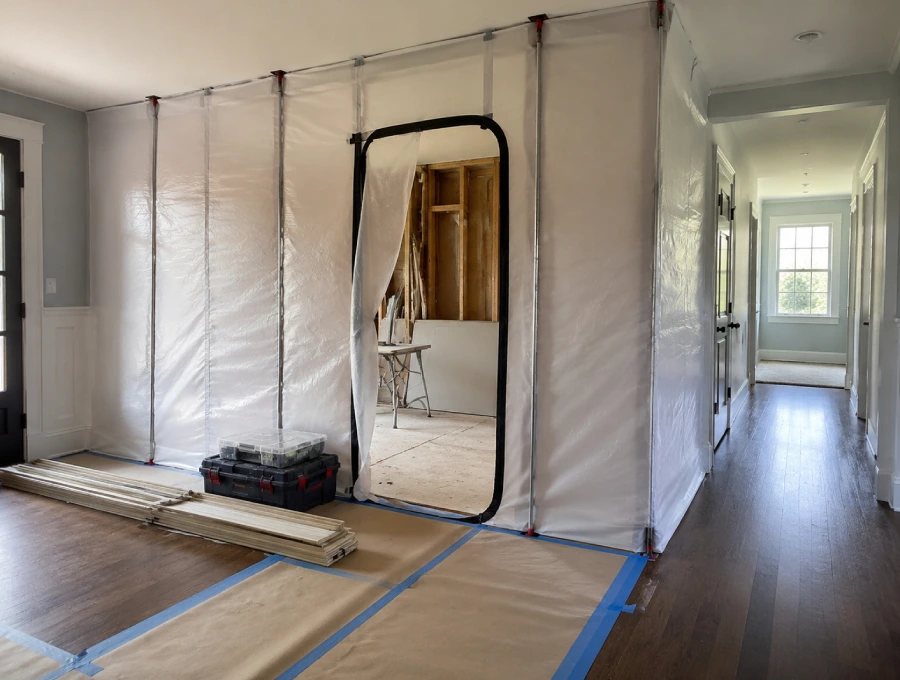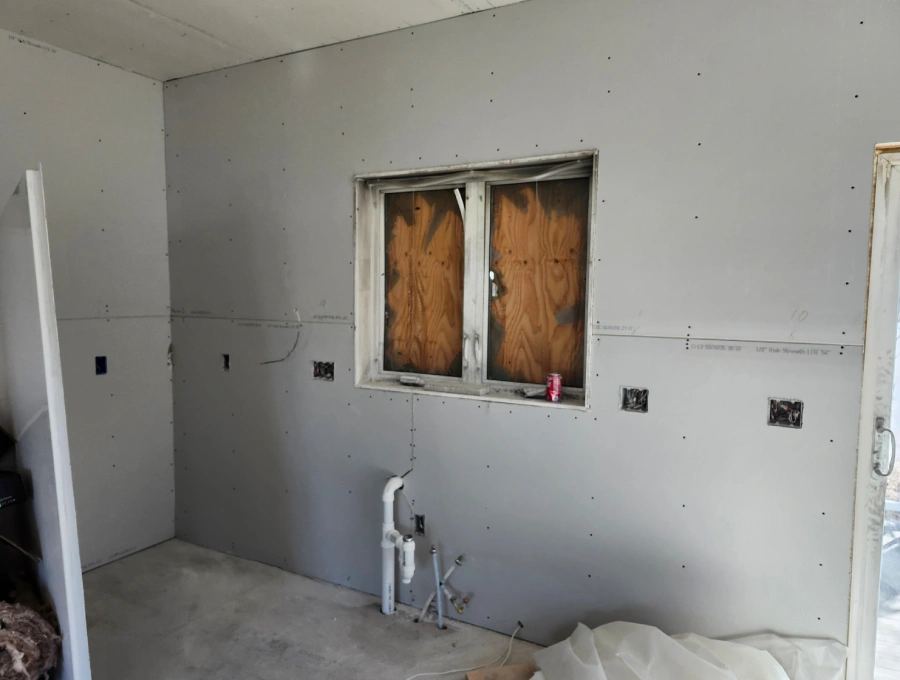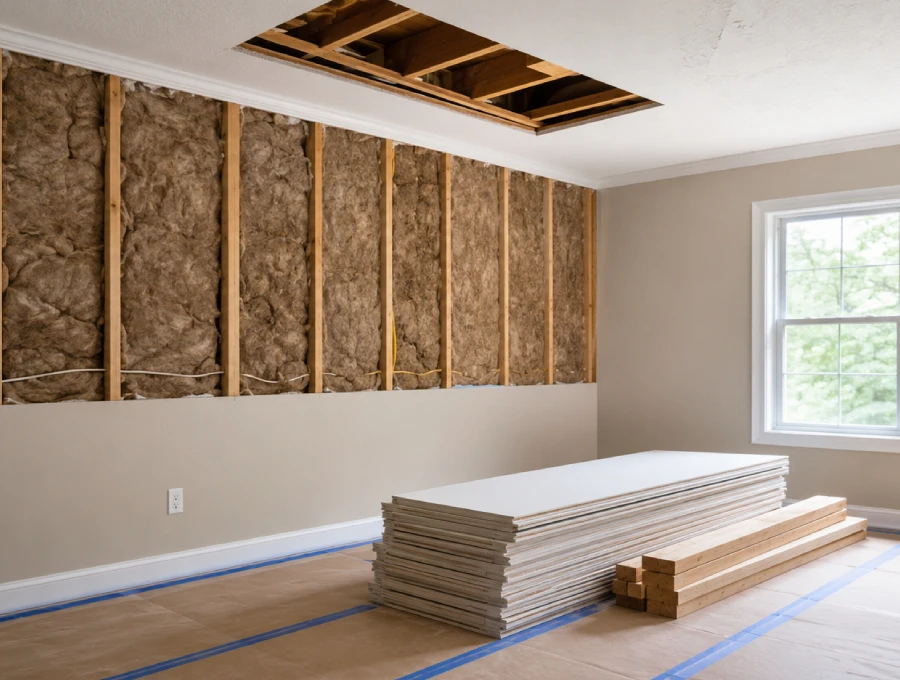
After property damage, many homeowners face one critical decision: repair the problem or fully rebuild the affected area.
In Maine and New Hampshire, this decision can affect long-term cost, structural performance, and future risk.
Choosing an approach that does not address the documented conditions may contribute to repeated work, unresolved structural issues, and higher expenses over time.
This decision is not based on preference alone. It should reflect the documented condition of the property after damage.
Quick Answer
When should I repair vs reconstruct a damaged home?
Repair may be suitable for minor, localized damage. Reconstruction may be needed when structural systems, materials, or multiple areas are affected.
Is reconstruction more expensive than repair?
Reconstruction may cost more upfront, but the appropriate choice depends on documented conditions, scope, materials, and long-term rebuilding needs.
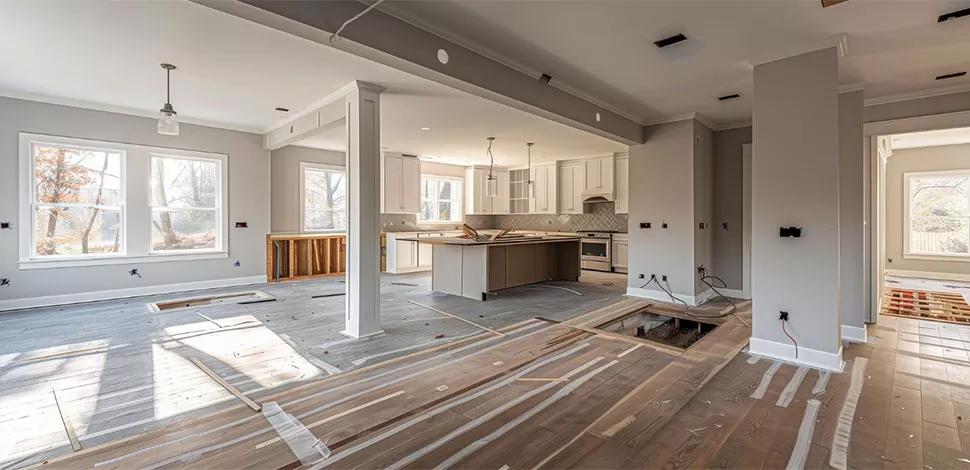
When Repair Is Enough
Repair may be appropriate when damage is limited and does not affect structural systems.
Situations where repair may work:
- Minor surface damage
- Isolated issues in one area
- No impact on framing or structural components
- Materials remain stable and intact
In these cases, targeted repair may return function without requiring full rebuilding.
When Reconstruction May Be Needed
Reconstruction may become necessary when damage goes beyond the surface.
Common indicators include:
- Structural damage affecting framing or subfloors
- Moisture spread beyond the original source
- Multiple systems impacted within the home
- Material deterioration or failure
When these conditions exist, repair alone may not address the long term structural needs of the property.
Why Limited Repair May Cost More Over Time
Choosing repair when reconstruction may be needed can lead to:
- Repeated work in the same areas
- Hidden conditions remaining unaddressed
- Increased maintenance and repair cycles
- Higher total cost over time
The full extent of damage may become clearer after repeated repair attempts or after affected areas are opened, which can increase cost and disruption.
Addressing surface issues without considering the underlying structural condition may leave deterioration or affected materials unaddressed.
What appears to be a lower cost decision may become more expensive when the underlying issue is not fully addressed.

Structural Factors That May Require Rebuilding
Some structural elements may not be adequately addressed through surface-level repair alone.
These include:
- Framing systems
- Subfloor structures
- Insulation affected by moisture
- Load bearing components
These components are important to the home’s structure and may not be adequately addressed through surface-level repair when damage has reached the structural layer.
When these elements are affected, structural reconstruction may be appropriate based on documented conditions and scope.
For deeper understanding, see structural damage and how it impacts rebuilding decisions.
Long Term Cost Comparison: Repair vs Reconstruction
Repair may reduce upfront cost, but it may carry higher long-term risk when underlying conditions are not addressed.
Reconstruction may involve:
- A broader initial construction scope
- More extensive structural work
- Fewer repeated surface repairs when underlying conditions are addressed
- Rebuilding based on documented conditions and approved scope
The appropriate decision depends on whether the documented damage is limited to surface materials or involves structural systems.
How Damage Type Influences the Decision
Different types of damage may require different approaches.
Water Damage Water intrusion may spread beyond visible areas and affect structural components. In many cases, water damage reconstruction may be needed depending on the extent of material removal and structural exposure.
Structural Damage Damage to load bearing systems may require reconstruction rather than surface level repair, depending on the scope and the affected components.
Winter Damage Freeze-thaw cycles and hidden moisture may contribute to an expanding scope over time, depending on the affected materials and documented conditions.
Why This Decision Matters
This decision can influence:
- How long the repair will last
- Whether damage returns
- The total cost over time
- The structural reliability of the home
Making the appropriate choice early may reduce repeated disruption and unnecessary expense.
Guidance for Reconstruction Decisions
Octagon Construction & Energy focuses on reconstruction when documented conditions show that affected materials or systems need rebuilding beyond limited repair.
Each project begins with reviewing the visible condition of the structure and the scope of affected materials, not just surface damage.
This helps ensure that the chosen approach reflects the actual scope of the problem.
Related Reconstruction Process
Understanding the reconstruction process helps homeowners see why rebuilding may be necessary in some cases.
Reconstruction services typically include:
- Review of visible structural conditions
- Scope definition
- Material selection
- Rebuilding and finishing
This process supports rebuilding according to the approved scope and applicable project requirements.
Frequently Asked Questions
Is repair always cheaper than reconstruction?
Not always. Repair may cost less upfront, but repeated work or unaddressed conditions can increase total cost over time.
How do I know if damage is structural?
Determining whether structural systems are affected may require a review of visible conditions and the extent of material impact. The scope of damage and affected components help identify whether reconstruction may be appropriate.
Can water damage be repaired without reconstruction?
Limited water damage may be repairable when structural materials are not affected. Broader moisture or material removal may create reconstruction needs depending on documented conditions and scope.
Who decides between repair and reconstruction?
The decision should be based on documented conditions, reconstruction scope, and project requirements. A reconstruction contractor can review visible conditions and explain the affected construction scope.
Discuss Your Reconstruction Project
If structural systems, multiple materials, or large areas of your property may have been affected by damage, it may be worth reviewing whether reconstruction is the appropriate next step.