Quick Answer
Rebuilding a rental or commercial property after water or fire damage follows the same construction steps as a home: framing, insulation, drywall, flooring and finishes. What changes is the planning. Owners need to decide which units or areas come back first, how tenants or customers move around the work, and what records the insurance carrier, lender or property manager will want. Octagon Construction & Energy handles rental and commercial property reconstruction across Maine and New Hampshire once cleanup is complete.
Who This Guide Is For
This guide is for landlords with single-family rentals, duplexes and multi-unit buildings; property managers handling a loss for an owner; and small-business owners with a damaged storefront, office or shop. If your building has had a burst pipe, a roof leak, a kitchen fire in one unit or water from firefighting in the units around it, and the cleanup company has finished, this is the stage you are in now.
What Makes a Rental or Commercial Rebuild Different
The construction itself is familiar. The difference is everything around it:
- More people are affected. Tenants, employees, customers, neighbors in adjoining units, and sometimes a property manager or lender all have a stake in the schedule.
- Damage crosses unit lines. Water runs down through floors and fire-suppression water spreads sideways, so one incident often touches several units or suites.
- Some of the building is still in use. Occupied units, open storefronts and shared hallways mean the work area has to be planned around people who are still there.
- Income is on hold. Every week a unit or storefront stays down is lost rent or lost sales. Rent loss and business interruption coverage, where your policy includes it, is handled between you and your carrier, but the rebuild plan affects how long that period lasts.
- Permits and inspections apply to commercial and multi-unit buildings, and the rebuild has to be planned around them where required.
Planning the Rebuild in Phases
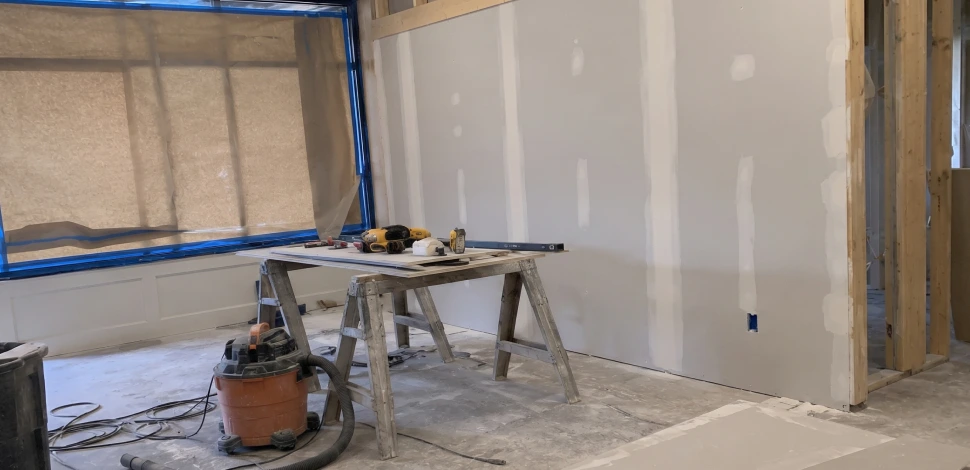
Most rental and commercial rebuilds work best in phases rather than all at once. A phased plan answers three questions:
- What comes back first? Usually the units or areas that bring in the most income, or the ones that are least damaged and can return to service soonest.
- How do people get around the work? Separate access for crews and materials, protected paths for tenants or customers, and dust and noise control between work areas and occupied spaces.
- What depends on what? Shared systems, like a main water line or a common electrical panel, sometimes have to be completed before individual units can be finished.
Your reconstruction contractor builds the phase plan with you. Whether work can continue around occupied units depends on the building and the damage, and that is decided once the site has been reviewed.
The Documentation Carriers and Owners Need
Commercial and rental losses usually involve more paperwork than a single-family claim. A well-run rebuild keeps a clear record from start to finish:
- A reconstruction scope and estimate tied to each unit or area
- Photos of each stage of the rebuild, especially work that will be covered up, like framing and insulation
- A written record of any changes to the scope and why they were needed
- Progress information a property manager can pass on to an owner, lender or tenants
Octagon Construction & Energy prepares this documentation for insurance reconstruction projects so your carrier has what it needs to review the scope.
Keeping Tenants Informed
Tenants want to know when they can come back, what areas are off limits and what to expect day to day. As the owner or manager, you handle tenant communication. Your contractor gives you the information for it: which areas are closed, when work moves to a new phase, and when a unit will be ready for its final walkthrough.
Notice requirements and your obligations to tenants are set by your leases and by state and local law. Check them with your attorney or property manager before work begins.
Fire in a Multi-Unit Building
A fire that starts in one unit almost never stays there. Smoke travels through shared walls, ceilings and ventilation, and the water used to put the fire out soaks into the units below and beside it. After cleanup, a multi-unit fire rebuild usually includes the unit where the fire started and the units affected by smoke and water.
Where heat has affected framing, the work overlaps with structural reconstruction. Fire-rated walls and ceilings between units are rebuilt to the assemblies required for the building. For more on the fire rebuild sequence, see our fire damage reconstruction page.
Making Improvements During the Rebuild
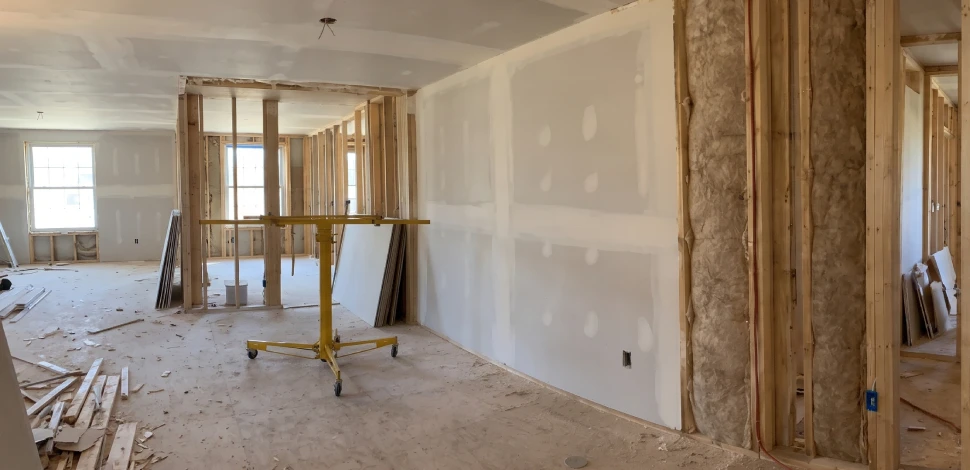
A unit stripped back to the framing is a good time to make improvements: more durable flooring, updated kitchens and baths, or layout changes that make a unit easier to rent. As with a home, upgrades beyond the approved insurance scope are priced separately, so the claim and your own investment stay clearly divided.
Choosing a Contractor for a Rental or Commercial Rebuild
Before you sign, ask any reconstruction contractor:
- Can you provide a certificate of insurance?
- What warranty do you provide on your workmanship?
- Have you rebuilt occupied buildings, and how do you separate work areas from people?
- How do you document the work for my carrier and my property manager?
- Can you handle upgrades in the same project as the insurance work?
Rebuild Your Property With Octagon Construction & Energy
Octagon Construction & Energy rebuilds rental, commercial and residential properties across Maine and New Hampshire once cleanup is complete. We are fully insured, provide a one-year workmanship warranty, and bring over 20 years of combined leadership experience to every reconstruction project.
If your building is cleaned up and ready to be rebuilt, tell us what happened.
Frequently Asked Questions
- Does Octagon Construction & Energy rebuild commercial and rental properties?
Octagon Construction & Energy rebuilds commercial and rental properties as well as single-family homes across Maine and New Hampshire. The work begins once cleanup is complete and covers framing, drywall, flooring, finishes and the other building components damaged by water or fire.
- Can tenants stay in a rental property during reconstruction?
Tenants can sometimes stay in a rental property during reconstruction when their unit is undamaged and the work area can be separated from occupied space. Whether that works depends on the building, the extent of damage and shared systems like water and power.
- Who pays to rebuild a rental property after water or fire damage?
The cost of rebuilding a rental property is usually claimed on the owner’s property insurance policy, based on the scope the carrier approves. Tenants’ own belongings are typically covered by their renters insurance. Your agent can confirm what your policy includes.
- Can one damaged unit be rebuilt while other units stay occupied?
One damaged unit can often be rebuilt while other units stay occupied, using separate access for crews, protected common areas and dust and noise control. The phase plan is set once the building has been reviewed.
- What documentation does an insurance carrier need for a commercial rebuild?
An insurance carrier usually needs a reconstruction scope and estimate, photos of each stage of the work, and a record of any scope changes for a commercial rebuild. Clear records by unit or area help the carrier review multi-unit losses.
- Can a landlord upgrade units during insurance reconstruction?
A landlord can upgrade units during insurance reconstruction. Upgrades beyond the approved insurance scope are priced separately, so the insurance work and the owner’s improvements stay clearly divided on the estimate.