
Introduction
A flooded basement does not just create water damage. It leaves your home partially unusable and structurally at risk.
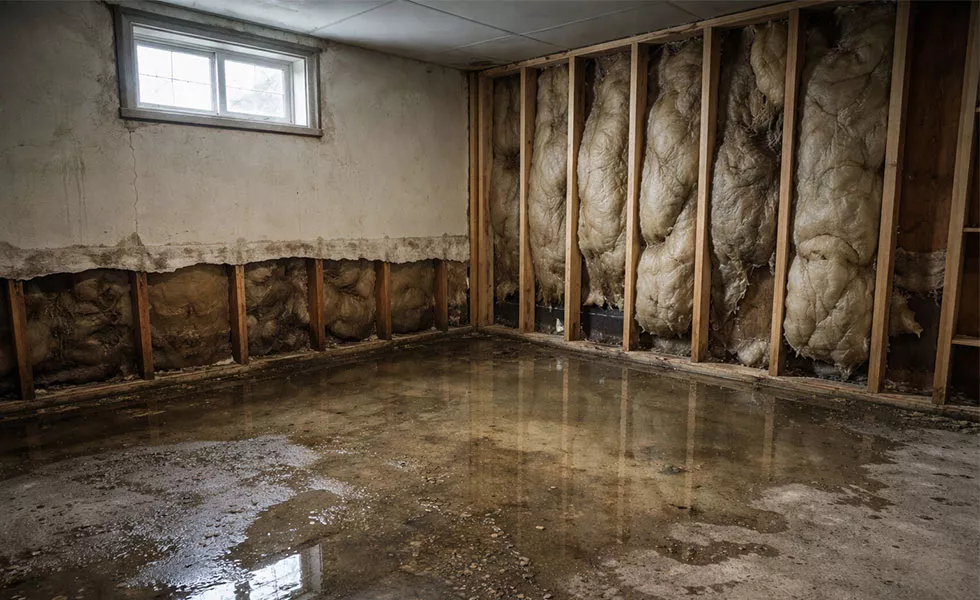
Snowmelt, heavy rain, and saturated ground can push water into the lower level of a home within hours. Once water enters, it affects drywall, insulation, flooring, framing, and other materials that are difficult to restore.
After mitigation removes water and damaged materials, most basements are left exposed and incomplete. This is where reconstruction begins.
In many cases, flooded basement repair is not just cleanup. It becomes a reconstruction project where damaged materials must be removed and rebuilt to restore safe and usable space.
This guide focuses specifically on flooded basement repair where reconstruction is required, not minor cleanup or cosmetic fixes.
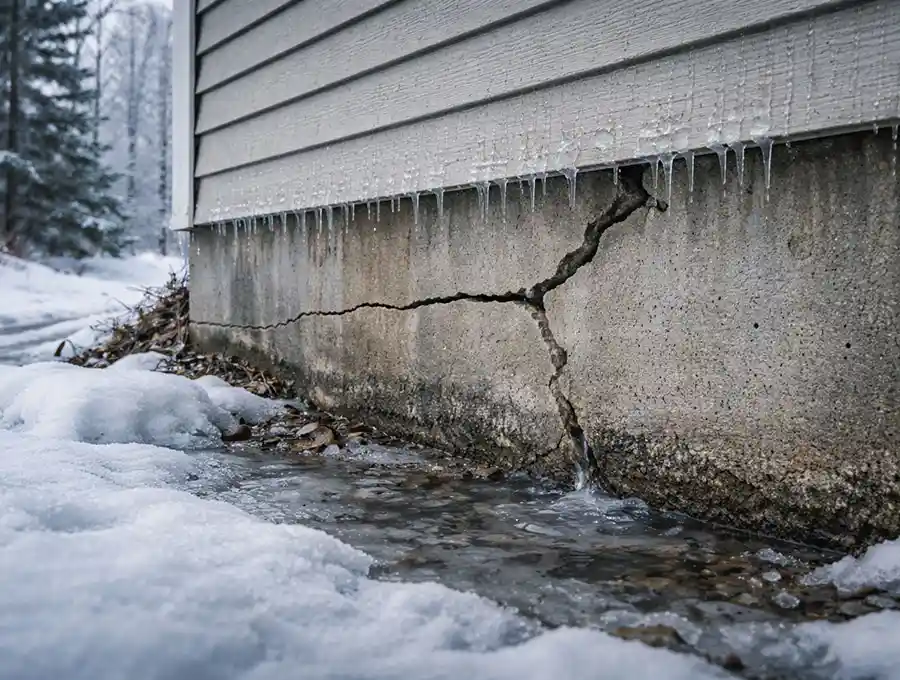
In Maine and New Hampshire, spring thaw and storm runoff place additional pressure on basement walls and floors. Homes with older foundations, poor drainage, or recurring moisture issues are especially vulnerable.
Quick Answer
What is flooded basement repair?
Flooded basement repair involves removing water-damaged materials, inspecting structural components, and rebuilding basement areas so the space can be safely used again.
When does a flooded basement require reconstruction?
Reconstruction is required when water has damaged drywall, insulation, flooring, or structural components, leaving the basement unsafe or unusable.
Quick Takeaway
- Flooding often damages more than visible surfaces
- Cleanup does not restore structural integrity
- Reconstruction is often required before the basement is usable
What Is Flooded Basement Repair?
Flooded basement repair is the process of removing water-damaged materials, inspecting structural components, and rebuilding basement walls, insulation, and flooring so the space can be safely used again.
The process often includes:
- Removing damaged drywall and insulation
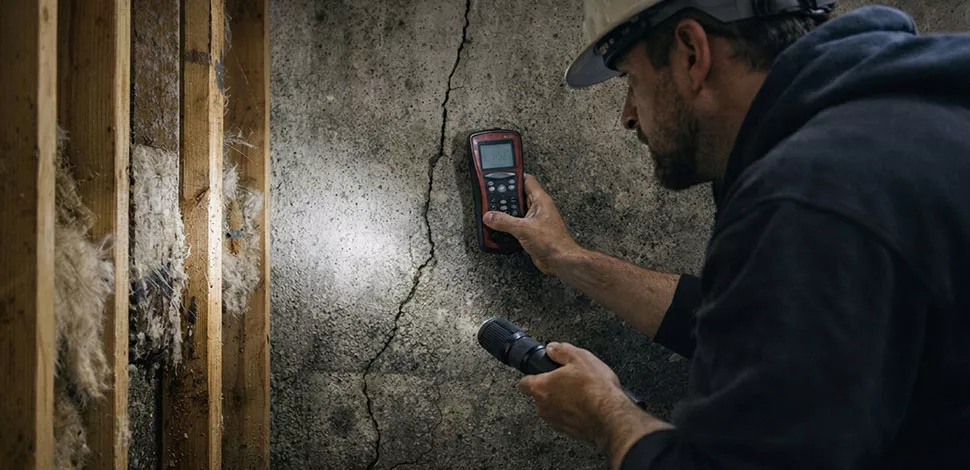
- Inspecting framing and foundation areas
- Drying structural materials thoroughly
- Rebuilding wall systems and finishes
- Adding moisture-resistant materials
In many cases, repair involves full reconstruction rather than minor fixes, especially when structural materials are affected.
Why Flooded Basement Repair Often Means Rebuilding
Flood damage rarely stays limited to visible surfaces.
Floodwater spreads beyond visible areas, often affecting wall cavities, insulation, and structural components.
Common material damage includes:
- Drywall absorbing water quickly
- Insulation trapping moisture
- Wood framing weakening
- Metal fasteners corroding
When structural components are affected, reconstruction is required before finishing work can begin.
What Spring Flooding Does to Basement Materials
Water moves quickly into finished systems, even with shallow flooding.
Surface Damage
- Wet drywall
- Stained trim
- Damaged flooring
- Musty odors
Hidden Damage
- Moisture behind walls
- Damp framing pockets
- Trapped water beneath flooring
- Movement near foundation cracks
Hidden moisture is one of the main reasons basement flood damage turns into reconstruction.
Hydrostatic pressure from saturated soil can force water into basement walls even after surface flooding is resolved.
Capillary action can draw moisture into structural materials even after visible water is removed.
Signs the Basement May Need More Than Cosmetic Repair
Watch for:
- New or widening wall cracks
- Uneven or sloping floors
- Slightly bowed walls
- Doors upstairs sticking
- Persistent damp odors
- Recurring stains
Many of these signs indicate underlying structural stress that worsens over time if reconstruction is delayed.
Ignoring these warning signs often leads to structural damage that becomes more expensive and complex to repair over time.
These conditions prevent safe occupancy and require proper rebuilding before the space can be used again.
How the Rebuild Stage Should Be Handled
Octagon Construction and Energy focuses on reconstruction after damage, not cleanup.
Reconstruction begins only after the basement is stabilized and dried.
Structured Rebuild Approach
- Identify affected areas
- Remove damaged materials
- Inspect framing and structure
- Confirm full drying
- Define reconstruction scope
- Rebuild using appropriate materials
If structural damage is confirmed, structural reconstruction services may be required before finishing begins.
👉 Learn more about basement renovation after flooding and how rebuilding restores structure and usability.
Why the Order Matters
Installing new materials too early can trap moisture inside wall systems.
This leads to:
- Hidden deterioration
- Reduced lifespan
- Recurring structural issues
Skipping proper reconstruction often leads to repeated flooding damage and higher long-term costs.
👉 Learn more about structural damage after water intrusion and how it affects rebuilding decisions.
Can a Flooded Basement Affect Structural Integrity?
Yes. Water exposure can weaken framing, subfloors, and fasteners, requiring reconstruction to restore structural stability.
Materials Used in Basement Reconstruction
Rebuilding often includes:
- Moisture-resistant wall systems
- Improved insulation
- Durable trim solutions
- Moisture control upgrades
If recurring moisture exists, basement encapsulation may be required.
Why Professional Reconstruction Matters
Flooded basement repair is not surface work.
Water exposure can affect structural systems that support the home.
Professional reconstruction evaluates:
- Framing condition
- Hidden moisture
- Foundation movement
- Long-term performance
Skipping this step leads to recurring issues and higher long-term costs.
Ways to Reduce Future Basement Flooding
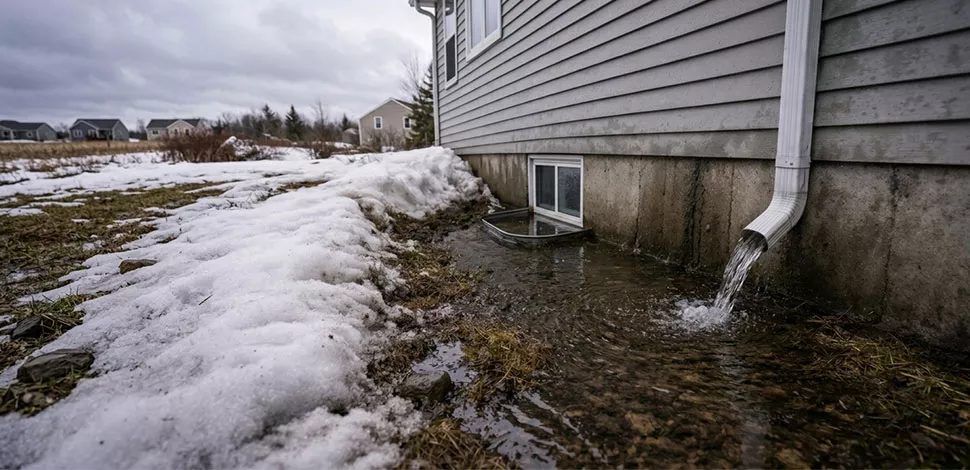
– Clean gutters regularly
– Extend downspouts
– Maintain proper grading
– Test sump pumps
– Seal cracks
– Keep drains clear
Do You Need Flooded Basement Repair or Reconstruction?
You may need reconstruction if:
- Drywall or insulation remained wet
- Flooring was removed or damaged
- Structural components were exposed
- The basement is not safe for normal use
If these conditions apply, rebuilding is often the next step after mitigation.
Flooded Basement Repair Services in Maine and New Hampshire
Octagon Construction and Energy provides flooded basement repair and reconstruction services across Maine and New Hampshire.
Local conditions such as snowmelt, coastal exposure, and saturated soil require region-specific rebuilding strategies.
Quick Summary
- Flooded basements often require more than cleanup
- Water damages structural systems and materials
- Hidden moisture leads to long-term issues
- Reconstruction is often required
- Proper rebuilding restores safe use
Call to Action
If your basement has been flooded and remains exposed, unstable, or unfinished after cleanup, reconstruction is the next critical step to restore safety and usability.
Call (207) 310-4163 to speak with a reconstruction specialist in Maine and New Hampshire.
Frequently Asked Questions
1. What is flooded basement repair?
It involves removing damaged materials and rebuilding affected areas.
2. Does every basement need reconstruction?
No, but wet or damaged materials often require rebuilding.
3. Can flooding cause mold?
Yes, if moisture remains trapped.
4. Where does hidden moisture occur?
Inside walls, insulation, and beneath flooring.
5. When should I call?
When materials are soaked or the basement remains damp.
Conclusion
A flooded basement is not just a cleanup issue. It is a structural problem that requires proper reconstruction.
Rebuilding correctly protects your home from recurring damage, structural failure, and long-term repair costs.